WOMAN: So, Mike, the last time we talked about a year ago, you said that you were preparing for the Olympics. With the event just around the corner, how is your training going?
MAN: Well, not much different to how it’s always going (laughs). I do the same thing pretty much every day and I’m seeing great results, so I won’t be stopping anytime soon!
WOMAN: If so, would you be willing to share what your “typical” day looks like?
MAN: Sure! Let’s start with my workouts.
MAN: It’s safe to say that my days are intense. I start my warm‑up routine at 7 a.m. every day. It takes me about half an hour to get ready for my swimming session.
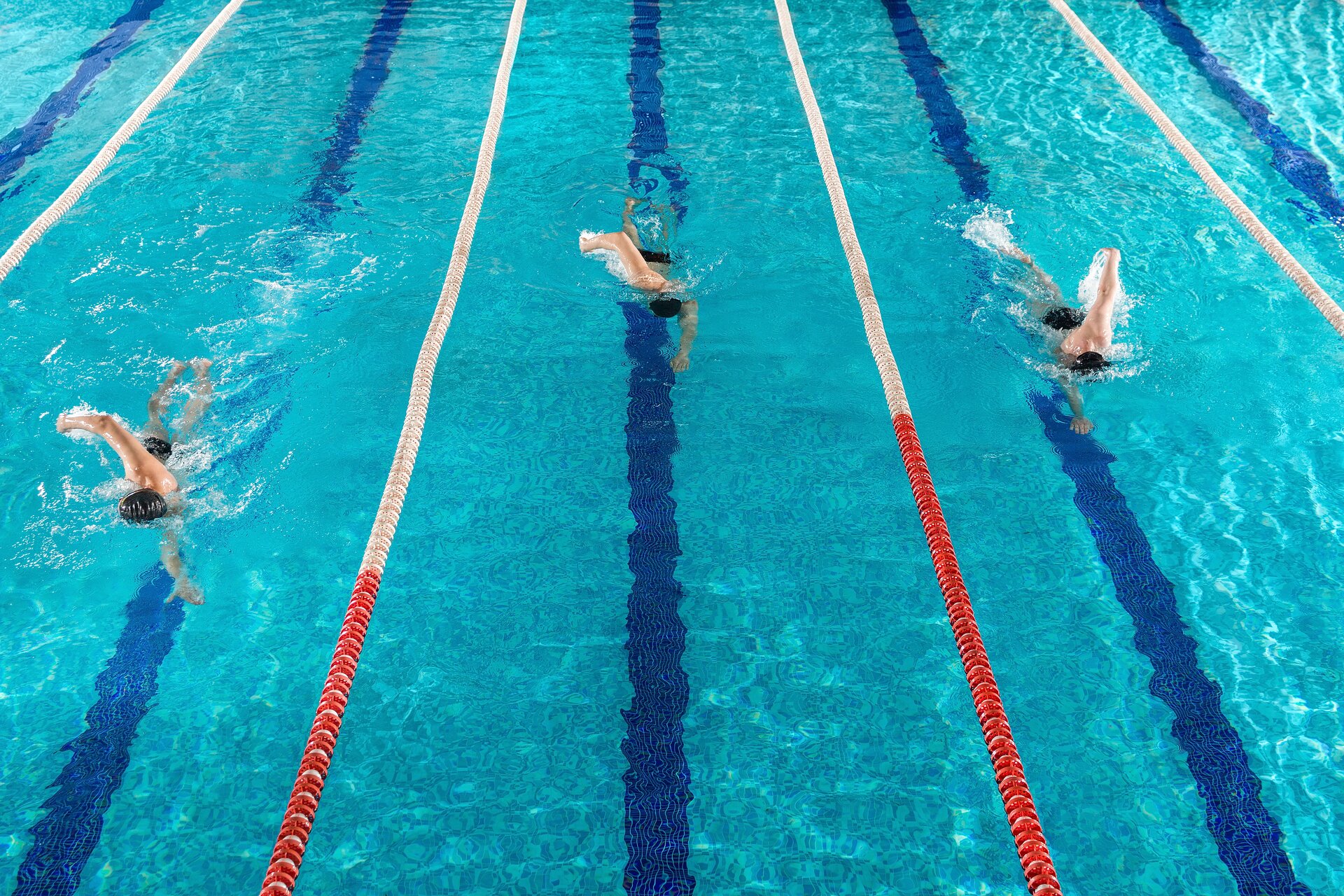
MAN: I spend 2h and 15min swimming. Usually, those morning sessions focus on the aerobic component. I practise all the strokes (like butterfly and backstroke) at a moderate intensity. Once in a while, I’ll do something more intense like swimming 6,000 to 8,000 metres without stopping. To put this in context, it’s like swimming the height of Mount Everest!
MAN: In the afternoons, usually at 3 p.m., I do Jump Testing. That’s when my coach and I attempt to limit the time it takes me to jump in the pool. After that, I warm up again for half an hour and then, I swim for two hours. The focus of those afternoon sessions is my breathing. Swimmers need to adapt their bodies to low levels of oxygen. It’s very difficult, but doable!
WOMAN: Wow. And you do this every single day?
MAN: Yes, but that’s not all. 3 times a week I also go to the gym. Those gym sessions usually last for an hour and a half and they’re designed to strengthen me for when I compete in the pool.
WOMAN: How do you have the energy for all that?
MAN: Well, I eat often and rest as much as possible in between training sessions.
WOMAN: Let’s talk about your diet then. What do you typically eat?
MAN: For breakfast, I usually eat fruit and food rich in fibre. For example, I might have oats or bran flakes and a banana. Throughout the day, I snack a lot. Every swimming session or gym training is followed up with a small smack. Sometimes it’s a protein bar and sometimes a whey shake. I also eat a light lunch, most often brown toast, eggs, and half an avocado. My dinners are a bit bigger and more caloric. I often eat white meat such as chicken with plenty of vegetables and some good carbohydrates such as wholemeal wraps. My dietitian said that I need to eat 3,000 kcal a day, so I stick to that.
WOMAN: I see. Your diet seems balanced and I wouldn’t mind trying those toasts with eggs and avocado! What about rest? You said you do try to take a break as often as possible.
MAN: Oh, yes! I nap every day after lunch. Those are long naps, usually lasting 2 hours, so I can regain my strength for the afternoon training session. When I finish my day at about 7 to 7:30, I take about 2 hours to myself as well. To be honest, I most often sit on the couch and watch TV! I go to bed at around 10, so I can get a good night’s rest and be ready to do it all over again the next day. My coach says that rest is the most important thing for an athlete and I take it seriously (laughs).
WOMAN: Well, I’m impressed! Your typical day seems truly intense. I wish you the best of luck in the upcoming Olympics! With a routine like this, you’ll surely win a medal.
MAN: Thank you and let’s hope so!