Film
bg‑azure
Some people say that if we cannot control a natural phenomenon, we should get out of its way. Easier said than done. People have settled almost all regions of the world and it’s becoming more and more difficult to avoid crossing paths with the destructive powers of nature. For that reason, we try to understand and tame forces which threaten our existence. Analyse the film to learn more about tsunamis and methods of protection from them.
Niektórzy twierdzą, że jeśli nie możemy kontrolować sił natury, to należy zejść im z drogi. Nie jest to jednak takie proste. Ludzie zasiedlili niemal wszystkie rejony świata i coraz trudniej uniknąć kolizji z niszczycielskimi zjawiskami. Dlatego staramy się zrozumieć i choć w niewielkim stopniu opanować siły natury, które zagrażają naszej egzystencji. Zapoznaj się z filmem i dowiedz się więcej o falach tsunami oraz sposobach chronienia się przed nimi.
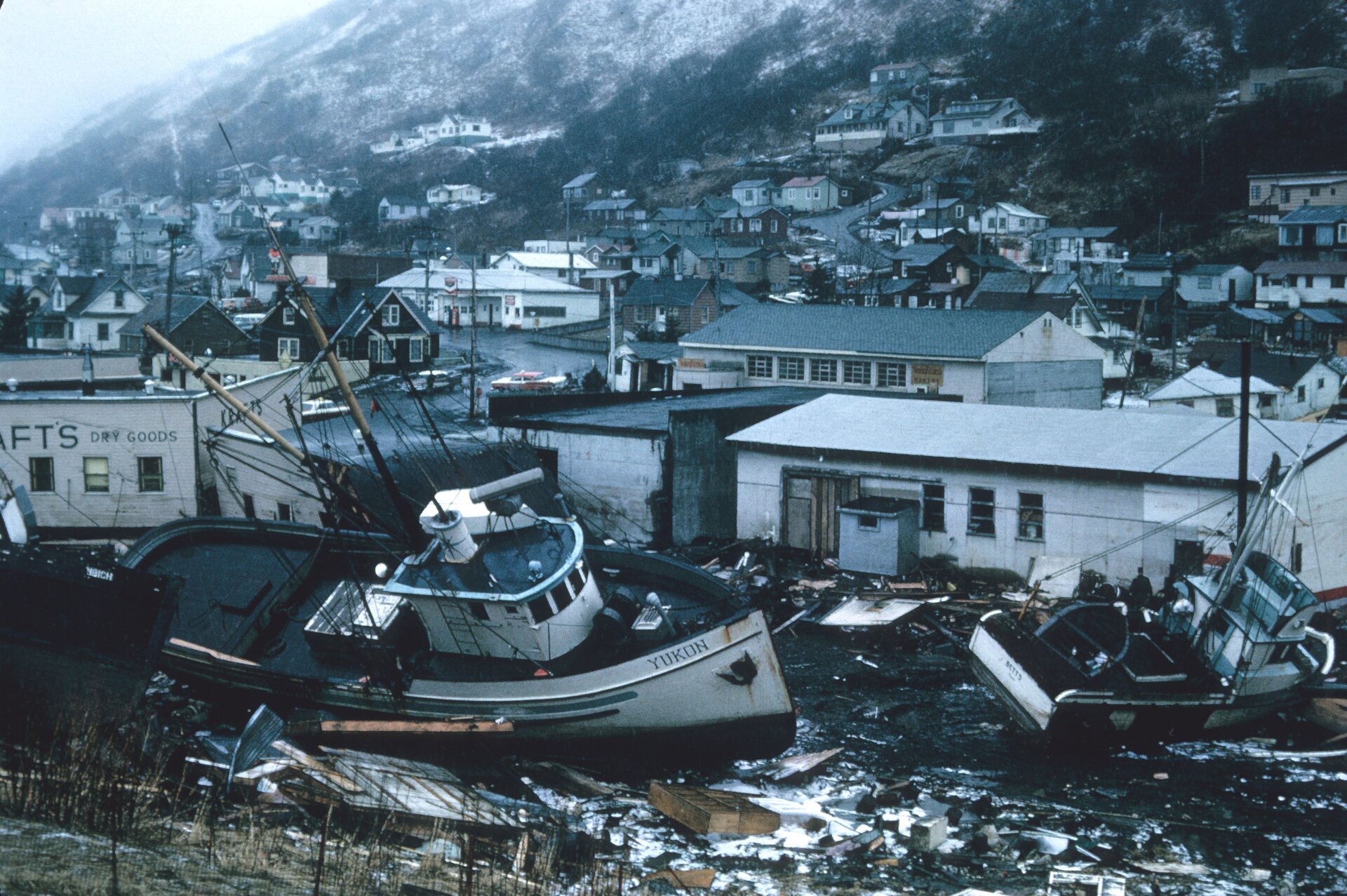
Tsunami waves can wipe out people’s achievements in the blink of an eye
Fale tsunami mogą unicestwić ludzkie osiągnięcia w mgnieniu oka
Źródło: dostępny w internecie: https://unsplash.com/ [dostęp 30.03.2023], domena publiczna.
Exercise 1
2. About 80% of tsunamis happen within the 1. swim, 2. states, 3. series, 4. Pacific, 5. impact, 6. wave Ocean’s “Ring of Fire.”
3. The first 1. swim, 2. states, 3. series, 4. Pacific, 5. impact, 6. wave of a tsunami is usually not the strongest, successive waves get bigger and stronger.
4. The 1. swim, 2. states, 3. series, 4. Pacific, 5. impact, 6. wave in the U.S. at greatest risk for tsunamis are Hawaii, Alaska, Washington, Oregon, and California.
5. If caught by a tsunami wave, it is better not to 1. swim, 2. states, 3. series, 4. Pacific, 5. impact, 6. wave, but rather to grab a floating object and allow the current to carry you.
Źródło: GroMar Sp. z o.o., licencja: CC BY-SA 3.0.
Źródło: GroMar Sp. z o.o., licencja: CC BY-SA 3.0.
Film dostępny pod adresem /preview/resource/Rd5dAfaJkG9Wd
Źródło: GroMar Sp. z o.o., licencja: CC BY-SA 3.0.
Film nawiązujący do treści materiału
Exercise 2
TrueFalse
2. Only underwater volcanoes cause tsunami waves.
TrueFalse
3. Iceberg calving is caused by tsunamis.
TrueFalse
4. Underwater earthquakes cause tsunamis more often than land earthquakes.
TrueFalse
5. Countries which participate in the CWarn system don’t have to pay for it.
TrueFalse
6. If the tsunami's crest reaches shore first, an interesting phenomenon occurs: the water suddenly retreats and exposes the seafloor.
TrueFalse
7. In some tsunami hit regions people build houses which can endure the pressure of tsunami waves.
TrueFalse
8. The 2004 Indian Ocean tsunami was not as strong as the 2011 tsunami which damaged the Fukushima power plant.
TrueFalse
9. The 2004 Indian Ocean tsunami affected both local people and travellers.
TrueFalse
10. Almost 150,000 people died as a result of the radioactive cloud released from the Fukushima power plant.
TrueFalse
Źródło: GroMar Sp. z o.o., licencja: CC BY-SA 3.0.
Exercise 3
a) made flat
b) smoothened
2. Thousands of people were displaced from their homes as a rsult of tsunami.
a) were evicted
b) were forced to leave their homes
3. People in the regions most afflicted by tsunamis build houses which can resist forceful waves.
a) hit the hardest
b) most affluent
4. The water suddenly retreats and exposes the seafloor.
a) displays
b) damages
5. Membership is free of charge.
a) non-renewable
b) available without payment
6. Iceberg calving is becoming a more and more common occurrence.
a) frequent sighting
b) extraordinary event
Źródło: GroMar Sp. z o.o., licencja: CC BY-SA 3.0.
Exercise 4
Write an answer to the question below in 3‑4 sentences.
What is the connection between iceberg calving and tsunami waves?
Źródło: GroMar Sp. z o.o., licencja: CC BY-SA 3.0.