Ilustracja interaktywna
bg‑azure
Following a sustainable diet is very important. Analyse the interactive illustration and find out how it affects different social and environmental dimensions.
Stosowanie zrównoważonej diety jest ważne. Przeanalizuj ilustrację interaktywną i dowiedz się, jak wpływa ona na różne wymiary społeczne i środowiskowe.
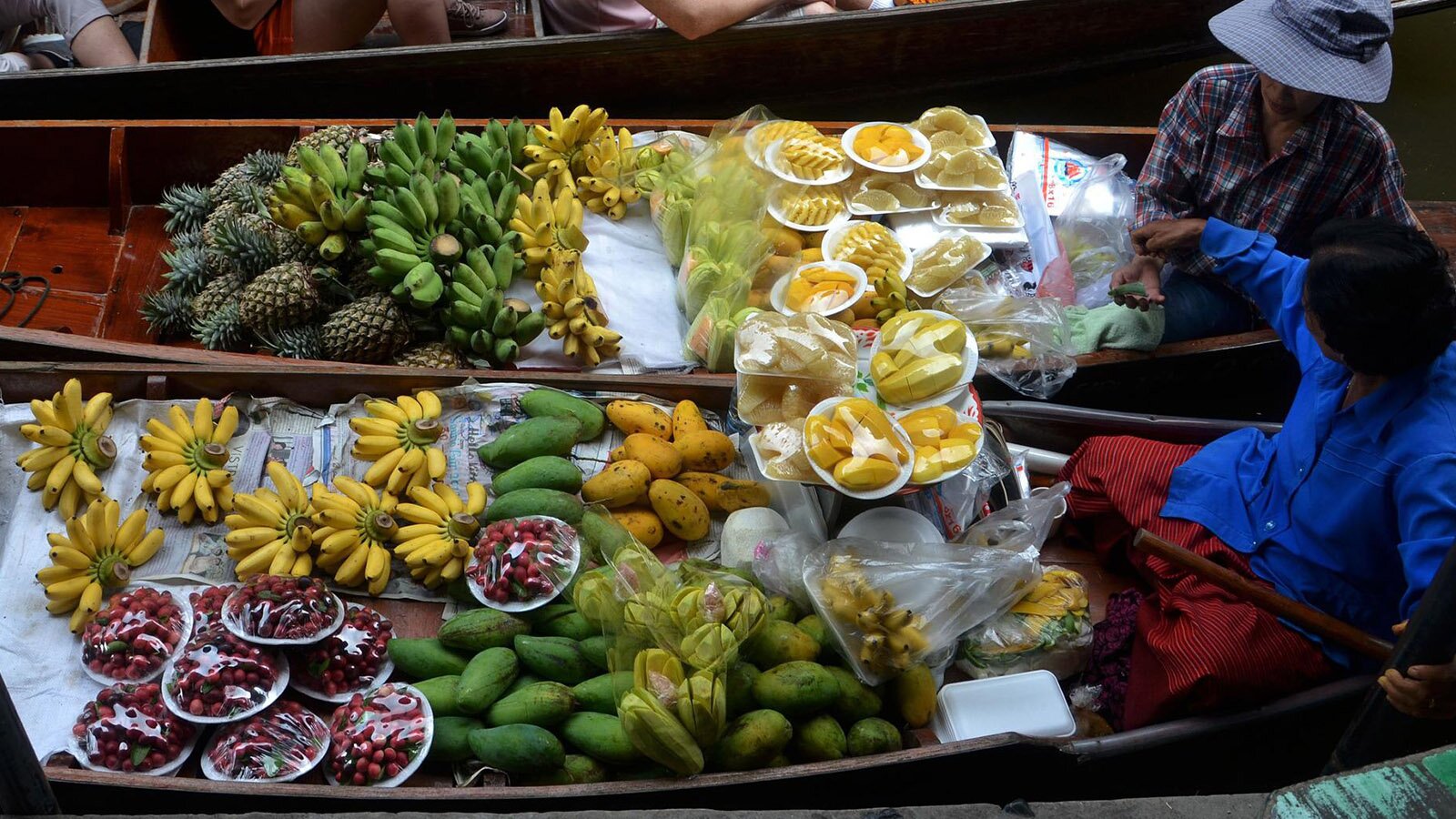
Can all cultures follow sustainable diets?
Czy wszystkie kultury mogą stosować zrównoważoną dietę?
Źródło: dostępny w internecie: www.pixabay.com [dostęp 24.08.2022], licencja: CC BY-SA 3.0.
Exercise 1
2. We should pay attention if the food we buy is produced 1. Sustainable, 2. sustainably, 3. unsustainably, 4. unsustainable.
3. Many crops are grown 1. Sustainable, 2. sustainably, 3. unsustainably, 4. unsustainable without preserving land resources.
4. Meat in many countries is produced in an 1. Sustainable, 2. sustainably, 3. unsustainably, 4. unsustainable manner without respect for the environment.
Źródło: GroMar Sp. z o.o., licencja: CC BY-SA 3.0.
Work with the interactive illustration and do the exercises below.
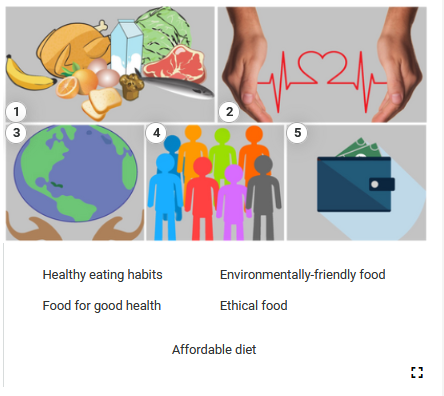
Zasób interaktywny dostępny pod adresem https://zpe.gov.pl/a/D172pvLhG
Źródło: GroMar Sp. z o.o., licencja: CC BY-SA 3.0.
Exercise 2
Źródło: GroMar Sp. z o.o., licencja: CC BY-SA 3.0.
Exercise 3
Źródło: GroMar Sp. z o.o., licencja: CC BY-SA 3.0.
Exercise 4
mTu uzupełnij
2. Beans, soybeans, and lentils are all types of this kind of food and are part of a sustainable diet.
lTu uzupełnij
3. The social dimension of sustainable diet takes into account the local and national style of cooking.
cTu uzupełnij
4. Many people don’t understand or realise the importance of following a sustainable diet.
uTu uzupełnij
5. Sustainable food production should avoid making food dirty or poisonous.
cTu uzupełnij
6. A sustainable diet is good for you and is likely to improve your health.
wTu uzupełnij
Źródło: GroMar Sp. z o.o., licencja: CC BY-SA 3.0.