bg‑azure

All right, so you read the lecture and did the tasks, but how well do you remember it? Did you understand it well enough to label the organs in the picture? Let’s try that!

No dobrze, przeczytałeś/przeczytałaś wykład i zrobiłeś/zrobiłaś zadania, ale czy pamiętasz informacje w nich zawarte? Czy zrozumiałeś/zrozumiałaś wszystko na tyle dobrze, żeby móc zidentyfikować poszczególne organy na ilustracji? Sprawdźmy!
R1Ar7j2XE1wdC
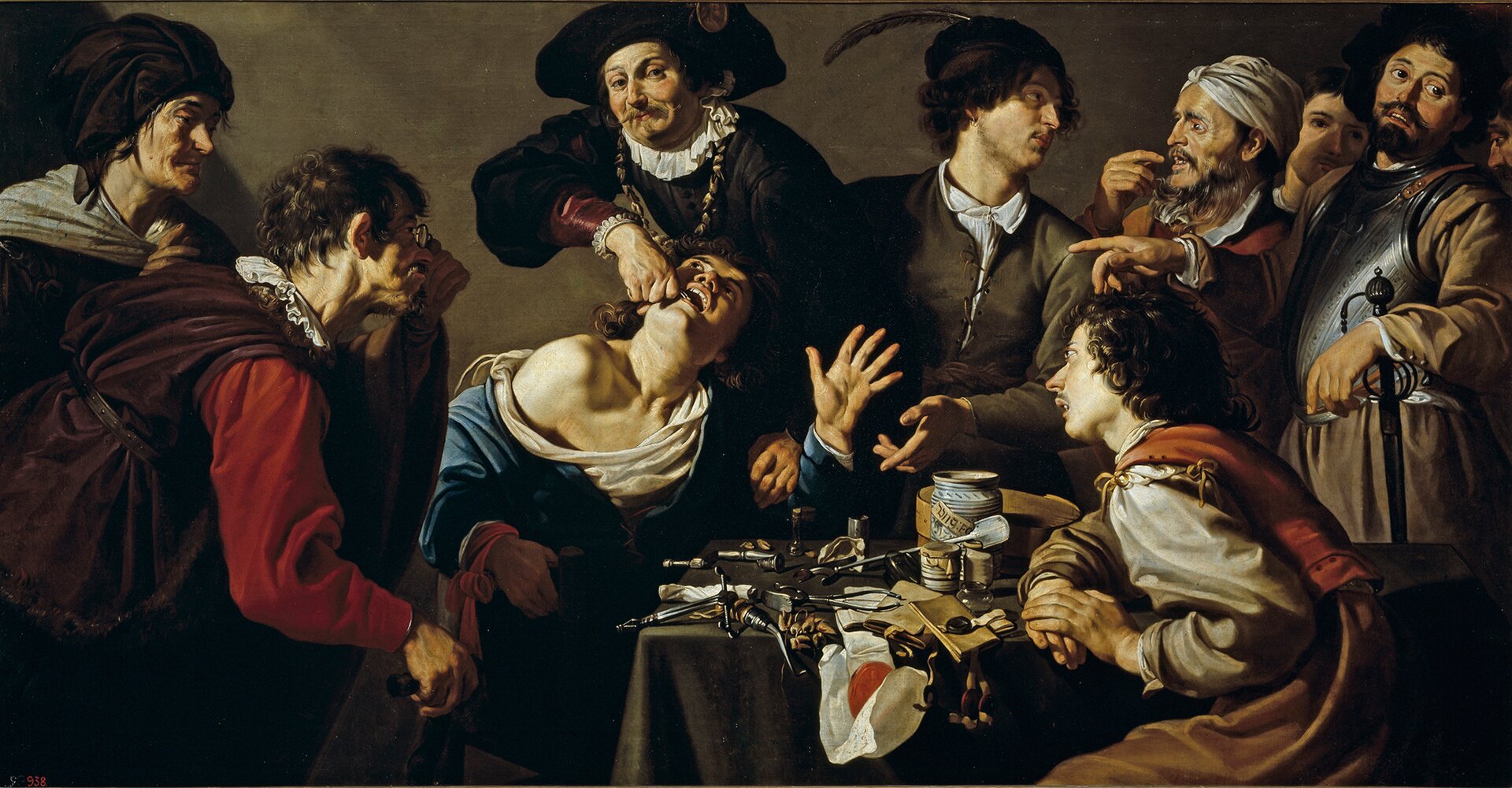
Aren’t you glad medicine has developed?
Czy nie cieszy cię, że medycyna zrobiła postępy?
Źródło: domena publiczna.
Exercise 1

Complete the crossword. What’s the hidden word?
RzSoBdQ08U35H
Odpowiedz na pytania lub uzupełnij tekst. 1. Your food takes a bath in acid here., 2. An organ that helps us digest sugars., 3. An organ that cleans your blood of toxins., 4. Blood vessels that carry blood to the heart., 5. The bones that keep us upright., 6. A very long tube in your body.
Źródło: GroMar Sp. z o.o., licencja: CC BY-SA 3.0.
RQWDRTKGH0FkB
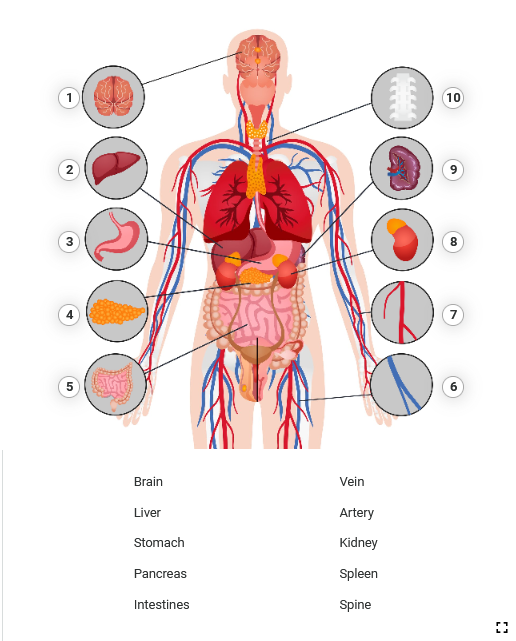
Grafika przedstawia zarys sylwetki człowieka, od głowy do połowy ud, z widocznymi układami krążenia, oddechowym oraz pokarmowym. Grafika posiada dziesięć punktów interaktywnych, po naciśnięciu których pojawia się tekst oraz nagranie. Transkrypcja do nagrań znajduje się poniżej. Grafika nr 1 przedstawia mózg. Po naciśnięciu na cyfrę tekst: The brain is the control centre of the human body. It forms the core of the central nervous system by creating, sending and processing nerve impilses, thoughts, emotions, physical sensations, and more. The brain is inside the skull, which protects it from injury. Transkrypcja nagrań znajduje się poniżej. Grafika nr 2 przedstawia wątrobę. Po naciśnięciu na cyfrę tekst: The liver is one of the most important organs in our body. It helps convert nutriens into usable substances, detoxifies certain substances and filters blood coming from the digestive tract. Transkrypcja nagrań znajduje się poniżej. Grafika nr 3 przedstawia żołądek. Po naciśnięciu na cyfrę tekst: Your stomach is an organ that digests food. It is part of your digestive tract. When food gets into the stomach, the organ contracts and produces acids and enzymes that break down food. Transkrypcja nagrań znajduje się poniżej. Grafika nr 4 przedstawia trzustkę. Po naciśnięciu na cyfrę tekst: The pancreas plays an essential role in converting the food we eat into fuel for the cells. the pancreas has two main finctions: it helps in digestin and it regulates blood suger. Transkrypcja nagrań znajduje się poniżej. Grafika nr 5 przedstawia jelita. Po naciśnięciu na cyfrę tekst: The intestines are responsible for breaking food down, absorbing nutriens from it and solidifying the waste. The small intestine is almost 7 metres long and it is the londest part of the digestive tract. This is where most of your digestion takes place. Transkrypcja nagrań znajduje się poniżej. Grafika nr 6 przedstawia żyłę. Po naciśnięciu na cyfrę tekst: A vein is a blood vessel that transports deoxygenated blood to the right side of the heart. Transkrypcja nagrań znajduje się poniżej. Grafika nr 7 przedstawia tętnicę. Po naciśnięciu na cyfrę tekst: An artery is a blood vessel that carries oxygen-rich blood away from your heart to other parts of your body. The main artery is called the aorta. Transkrypcja nagrań znajduje się poniżej. Grafika nr 8 przedstawia nerkę. Po naciśnięciu na cyfrę tekst: The kidney helps filter blood and remove waste from the body. Each kidney contains about a million tiny units for filtration. it is possible to live with just one kidney. If a kidney fails dialysis can get a kidney transplant or their kindey recovers some function. Transkrypcja nagrań znajduje się poniżej. Grafika nr 9 przedstawia śledzionę. Po naciśnięciu na cyfrę tekst: The spleen has several important functions: it fights invading germs in the blood as it contains infection-fighting white cells, it controls the level of blood cells, it filters the blood and removes any old or damaged red blood cells. Transkrypcja nagrań znajduje się poniżej. Grafika nr 10 przedstawia fragment kręgosłupa szyjnego. Po naciśnięciu na cyfrę tekst: The spine, or backbone, is the central support structure of the body. It connects different muscles and bones. Your spine helps you move: sit, stand, walk, twist and bend. The backbone may be damaget by some back injuries and other problems, which can cause back pain. Transkrypcja nagrań znajduje się poniżej.
Źródło: dostępny w internecie: www.freepik.com [dostęp 10.04.2021], domena publiczna.

Grafika przedstawia zarys sylwetki człowieka, od głowy do połowy ud, z widocznymi układami krążenia, oddechowym oraz pokarmowym. Grafika posiada dziesięć punktów interaktywnych, po naciśnięciu których pojawia się tekst oraz nagranie. Transkrypcja do nagrań znajduje się poniżej.

Brain

The brain is the control centre of the human body. It forms the core of the central nervous system by creating, sending and processing nerve impulses, thoughts, emotions, physical sensations, and more. The brain is inside the skull, which protects it from injury.

Grafika nr 1 przedstawia mózg.

Liver

The liver is one of the most important organs in our body. It helps convert nutriens into usable substances, detoxifies certain substances and filters blood coming from the digestive tract.

Grafika nr 2 przedstawia wątrobę.

Stomach

Your stomach is an organ that digests food. It is part of your digestive tract. When food gets into the stomach, the organ contracts and produces acids and enzymes that break down food.

Grafika nr 3 przedstawia żołądek.

Pancreas

The pancreas plays an essential role in converting the food we eat into fuel for the cells. the pancreas has two main finctions: it helps in digestion and it regulates blood suger.

Grafika nr 4 przedstawia trzustkę.

Intestines

The intestines are responsible for breaking food down, absorbing nutriens from it and solidifying the waste. The small intestine is almost 7 metres long and it is the longest part of the digestive tract. This is where most of your digestion takes place.

Grafika nr 5 przedstawia jelita.

Vein

A vein is a blood vessel that transports deoxygenated blood to the right side of the heart.

Grafika nr 6 przedstawia żyłę.

Artery

An artery is a blood vessel that carries oxygen‑rich blood away from your heart to other parts of your body. The main artery is called the aorta.

Grafika nr 7 przedstawia tętnicę.

Kidney

The kidney helps filter blood and remove waste from the body. Each kidney contains about a million tiny units for filtration. It is possible to live with just one kidney. If a kidney fails, dialysis can filter the blood until the person can get a kidney transplant or their kidney recovers some function.

Grafika nr 8 przedstawia nerkę.

Spleen

The spleen has several important functions: it fights invading germs in the blood as it contains infection‑fighting white cells, it controls the level of blood cells, it filters the blood and removes any old or damaged red blood cells.

Grafika nr 9 przedstawia śledzionę.

Spine

The spine, or backbone, is the central support structure of the body. It connects different muscles and bones. Your spine helps you move: sit, stand, walk, twist and bend. The backbone may be damaged by some back injuries and other problems, which can cause back pain.

Grafika nr 10 przedstawia fragment kręgosłupa szyjnego.

TRANSCRIPTazurewhite
Exercise 2

Type the English names of the organs next to their Polish translations.

R17MgrVWnKgxx
mózg | Tu uzupełnij wątroba | Tu uzupełnij żołądek | Tu uzupełnij trzustka | Tu uzupełnij jelita | Tu uzupełnij żyła | Tu uzupełnij tętnica | Tu uzupełnij nerka | Tu uzupełnij śledziona | Tu uzupełnij kręgosłup | Tu uzupełnij
Źródło: GroMar Sp. z o.o., licencja: CC BY-SA 3.0.
Exercise 2
RRo5Yz2qYTTEn
Ilustracja przedstawia zarys sylwetki człowieka, od głowy do połowy ud, z widocznymi układami krążenia, oddechowym oraz pokarmowym. Po obu stronach sylwetki wyszczególniono w kółeczkach poszczególne narządy.
Źródło: dostępny w internecie: https://freepik.com/ [dostęp 4.10.2021], domena publiczna.
Exercise 3
R1213Ha37fl1V
Choose the correct answer.
  1. The kidneysaortaveins filter out waste products from the blood.
  2. You should stay straight, so that your limbsspinepancreas won’t deform.
  3. PancreasBrainHeart helps us digest food and produces insulin.
  4. Excessive alcohol consumption may destroy your limbsspineliver.
  5. The intestinesaortaskidneys are long, tube-like parts of our body through which digested food travels.
  6. Veins transport oxygenateddeoxygenatedfiltered blood to the heart.
  7. The aorta is an example of a/an arteryveinlimb.
  8. The spleen helps us fight germsacidsenzymes.
Źródło: GroMar Sp. z o.o., licencja: CC BY-SA 3.0.
Exercise 4
R2gulnJ1jPzBv
Drag and drop the following sentence halves to form correct sentences. He was losing a lot of blood Możliwe odpowiedzi: 1. when I eat too many sweets., 2. issues with their spines., 3. while she was hiking in the mountains., 4. as he cut himself while chopping onions., 5. will be converted into energy., 6. so that the doctor could examine his torso., 7. so she is on the list for a transplant., 8. help filter blood. I feel pain in my stomach Możliwe odpowiedzi: 1. when I eat too many sweets., 2. issues with their spines., 3. while she was hiking in the mountains., 4. as he cut himself while chopping onions., 5. will be converted into energy., 6. so that the doctor could examine his torso., 7. so she is on the list for a transplant., 8. help filter blood. Office workers usually have Możliwe odpowiedzi: 1. when I eat too many sweets., 2. issues with their spines., 3. while she was hiking in the mountains., 4. as he cut himself while chopping onions., 5. will be converted into energy., 6. so that the doctor could examine his torso., 7. so she is on the list for a transplant., 8. help filter blood. He took off his T-shirt Możliwe odpowiedzi: 1. when I eat too many sweets., 2. issues with their spines., 3. while she was hiking in the mountains., 4. as he cut himself while chopping onions., 5. will be converted into energy., 6. so that the doctor could examine his torso., 7. so she is on the list for a transplant., 8. help filter blood. She pulled a muscle Możliwe odpowiedzi: 1. when I eat too many sweets., 2. issues with their spines., 3. while she was hiking in the mountains., 4. as he cut himself while chopping onions., 5. will be converted into energy., 6. so that the doctor could examine his torso., 7. so she is on the list for a transplant., 8. help filter blood. The liver and kidneys Możliwe odpowiedzi: 1. when I eat too many sweets., 2. issues with their spines., 3. while she was hiking in the mountains., 4. as he cut himself while chopping onions., 5. will be converted into energy., 6. so that the doctor could examine his torso., 7. so she is on the list for a transplant., 8. help filter blood. I hope all this sugar Możliwe odpowiedzi: 1. when I eat too many sweets., 2. issues with their spines., 3. while she was hiking in the mountains., 4. as he cut himself while chopping onions., 5. will be converted into energy., 6. so that the doctor could examine his torso., 7. so she is on the list for a transplant., 8. help filter blood. She experienced kidney failure Możliwe odpowiedzi: 1. when I eat too many sweets., 2. issues with their spines., 3. while she was hiking in the mountains., 4. as he cut himself while chopping onions., 5. will be converted into energy., 6. so that the doctor could examine his torso., 7. so she is on the list for a transplant., 8. help filter blood.
Źródło: GroMar Sp. z o.o., licencja: CC BY-SA 3.0.