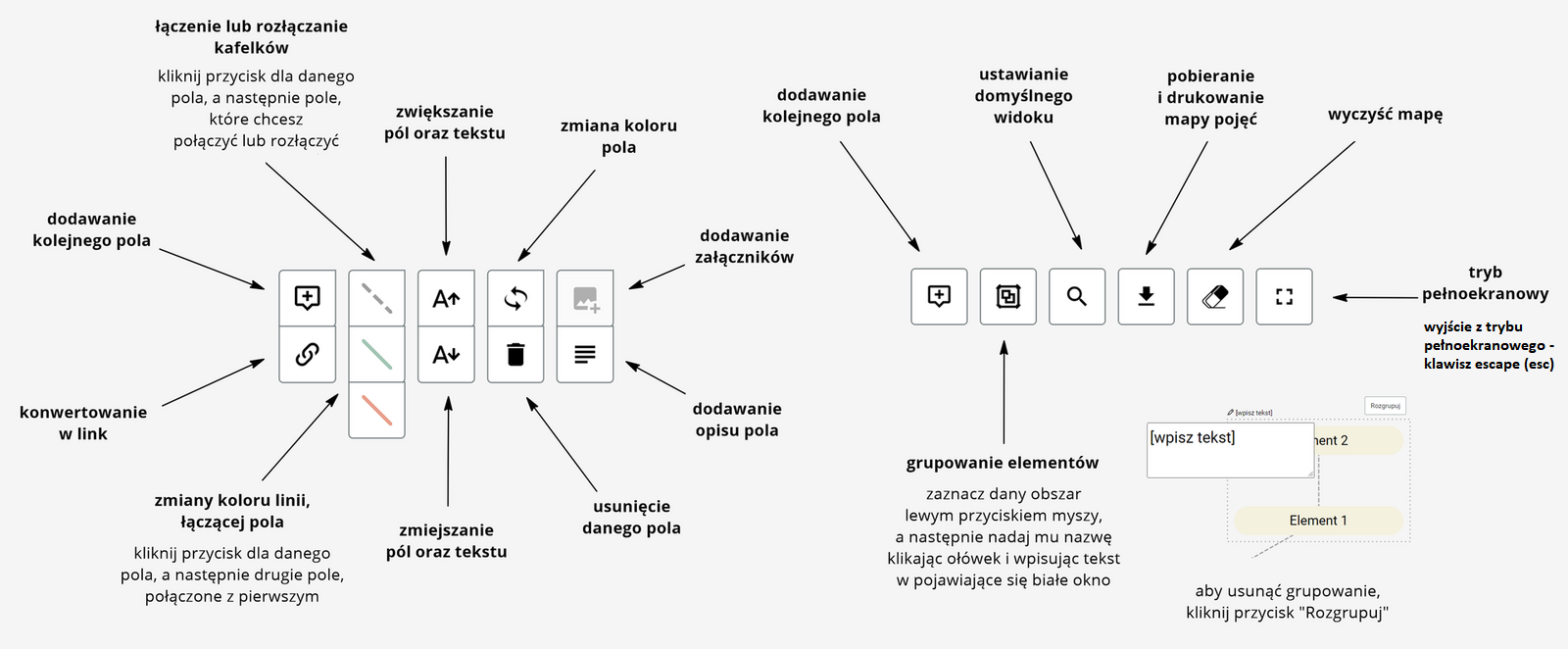
Mapa pojęć
A drizzle in Britain or a hot day in Oman do not usually come as a surprise. However, in most places a good weather forecast is a helpful thing when you’re planning your holidays or daily activities outside. Met Offices use a range of symbols and labels to represent and refer to weather conditions. It’s worth knowing what the symbols and labels mean to be able to read weather forecasts more accurately.
Mżawka w Wielkiej Brytanii czy gorący dzień w Omanie nie są zaskoczeniem. Niemniej jednak w wielu miejscach na świecie trafna prognoza pogody jest niezwykle pomocna podczas planowania wakacji lub codziennych aktywności na świeżym powietrzu. Biura prognoz pogody używają symboli oraz terminów odnoszących się do poszczególnych warunków pogodowych. Warto wiedzieć, co one oznaczają, aby być w stanie lepiej odczytywać prognozy pogody.
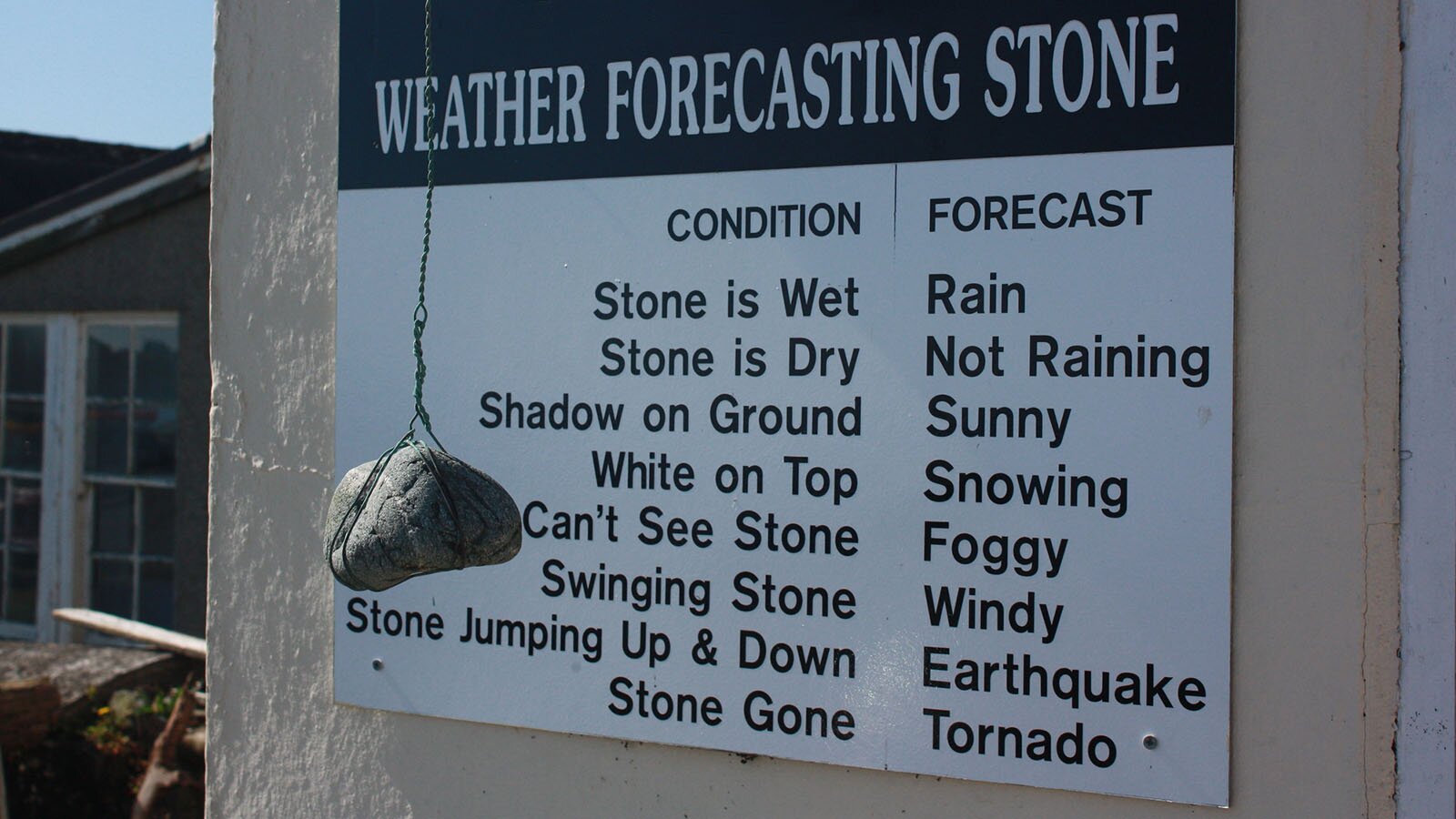
Study the pictures below. Drag and drop labels to name different aspects of the weather.
Drag the terms connected to the weather and drop them in the correct category.
Complete the empty spaces in the mind map with the Polish translations of the terms. Choose the Polish terms from the list below.
GRAD
ZAMGLENIA
MGŁA
DESZCZ ZE ŚNIEGIEM
CHŁODNO
PRZEJAŚNIENIA
POCHMURNO
WIDZIALNOŚĆ
BURZA ŚNIEŻNA
OPADY
MŻAWKA
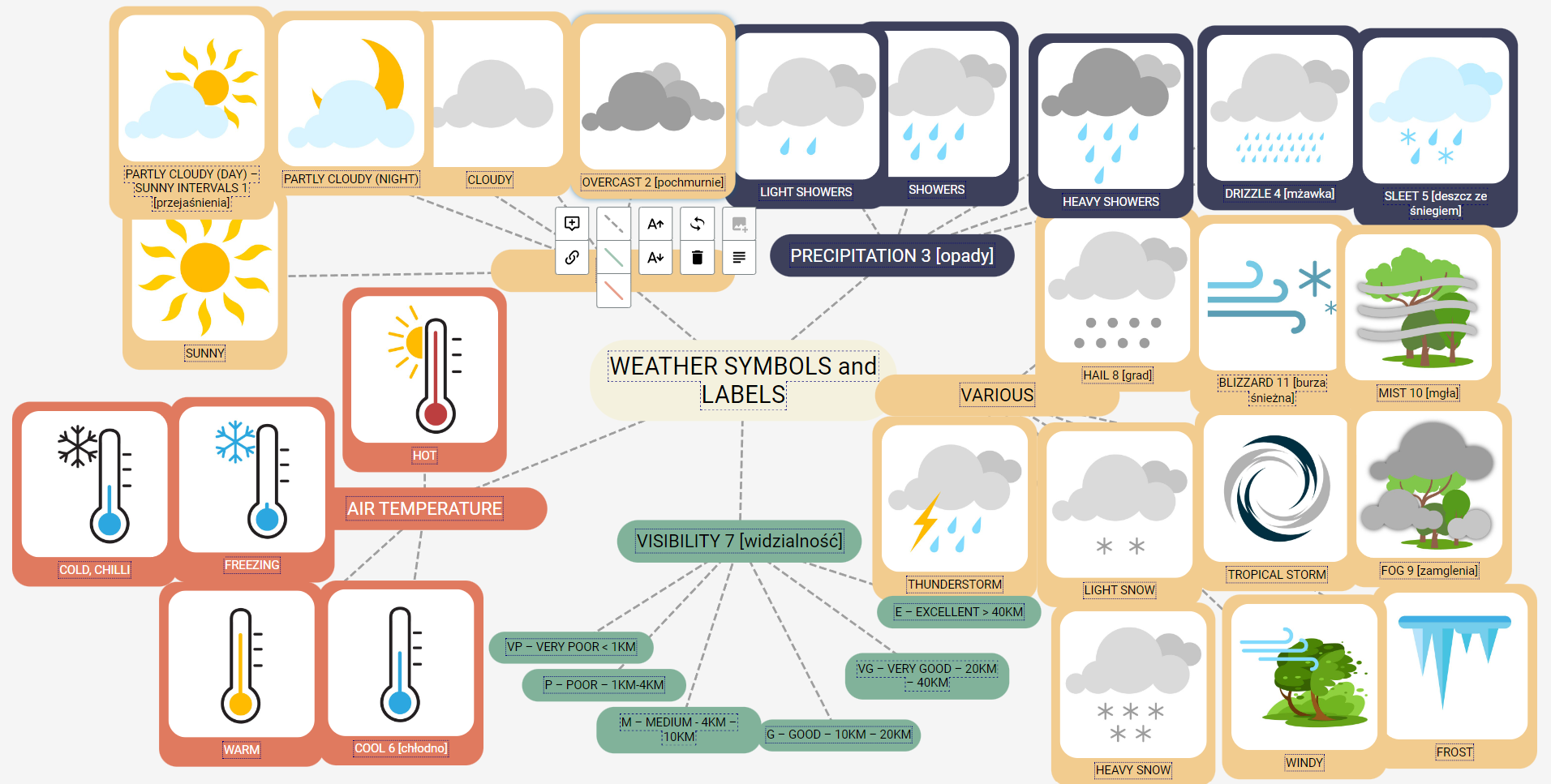
Match the words with their Polish equivalents.
2. The parameter of visibility gives you information about how far you can expect to be able to see. TrueFalse
3. Sleet is a combination of heavy and light showers. TrueFalse
4. Mist is thicker than fog. TrueFalse
5. The symbols of hail and drizzle differ only by the colour of the cloud. TrueFalse
6. The number of water droplets indicates the likelihood of rain. TrueFalse
Some weather symbols combine two or more elements. What could those elements be and what weather conditions could they symbolise? Write your answer in 4‑5 sentences.
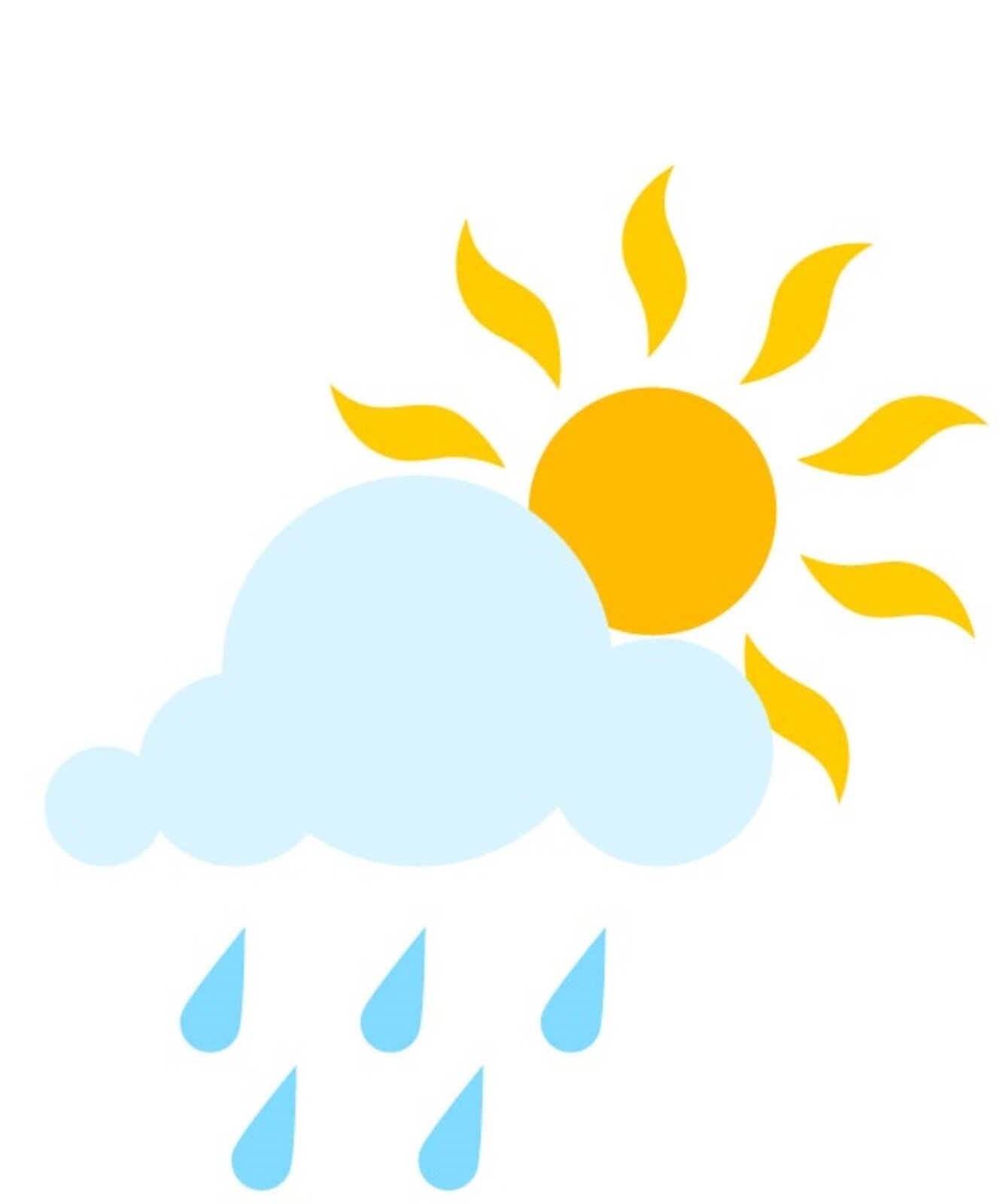
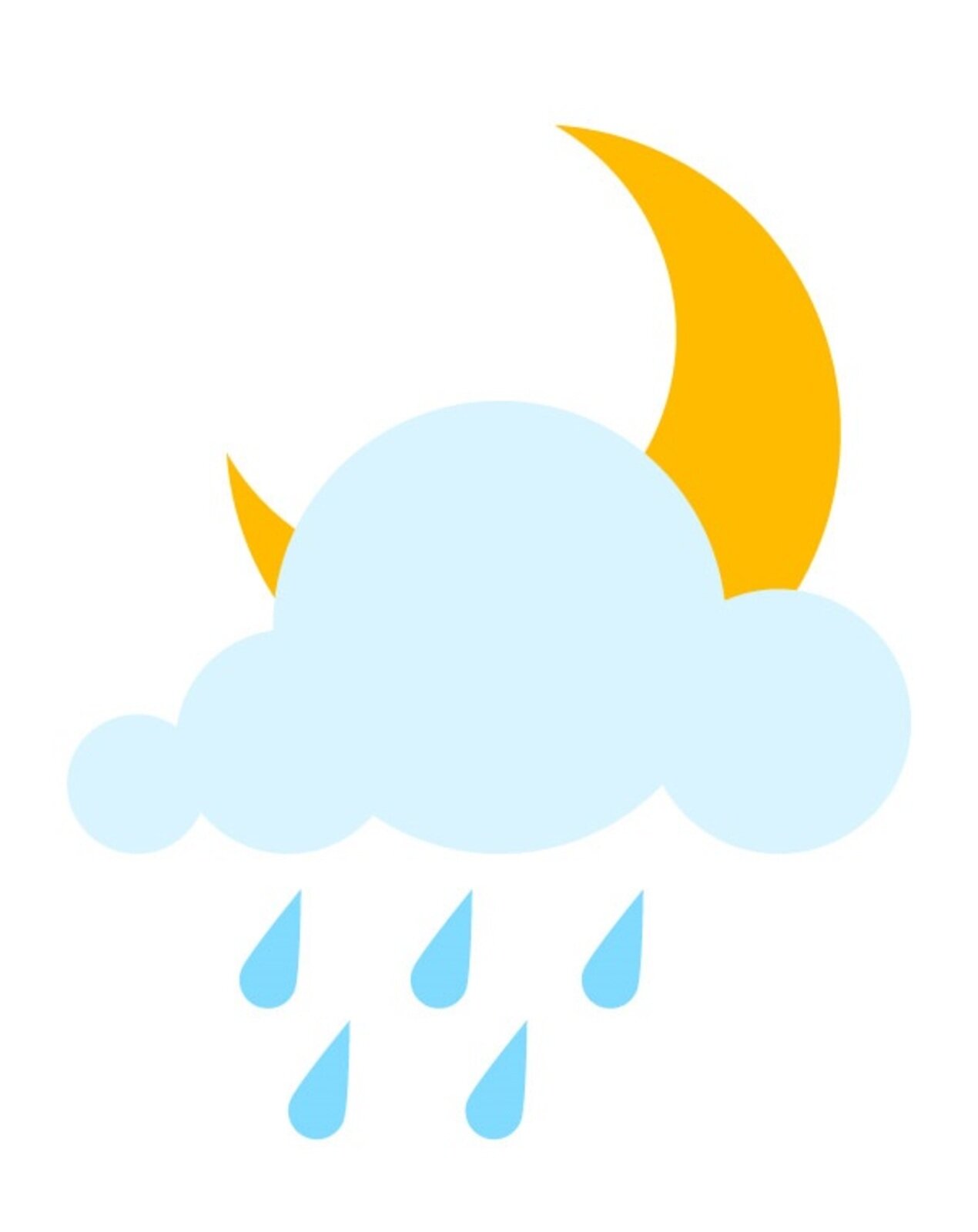
Some weather symbols combine two or more elements. Based on the mind map, write what weather conditions people can expect when they see the symbols below. Write 2–3 sentences about each picture.