Tourism is one of the rapidly developing branches of industry. People travel to different destinations, and later welcome tourists to their hometowns. We move around the world, mixing constantly. While travelling, we affect the local people and their lives, even unconsciously. In this section you will learn about the impacts of tourism on our everyday life.
Turystyka jest jedną z najszybciej rozwijających się gałęzi gospodarki. Ludzie wyjeżdżają na wakacje do dowolnych destynacji, by następnie witać gości w swoich miejscowościach. Krążymy po świecie, nieustannie się mieszając. Kiedy podróżujemy, oddziałujemy – nawet nieświadomie – na życie mieszkańców odwiedzanego regionu. W tej części e‑materiału przekonasz się, w jaki sposób turystyka odciska piętno na naszym codziennym życiu.
R1E8Jy1sD171g
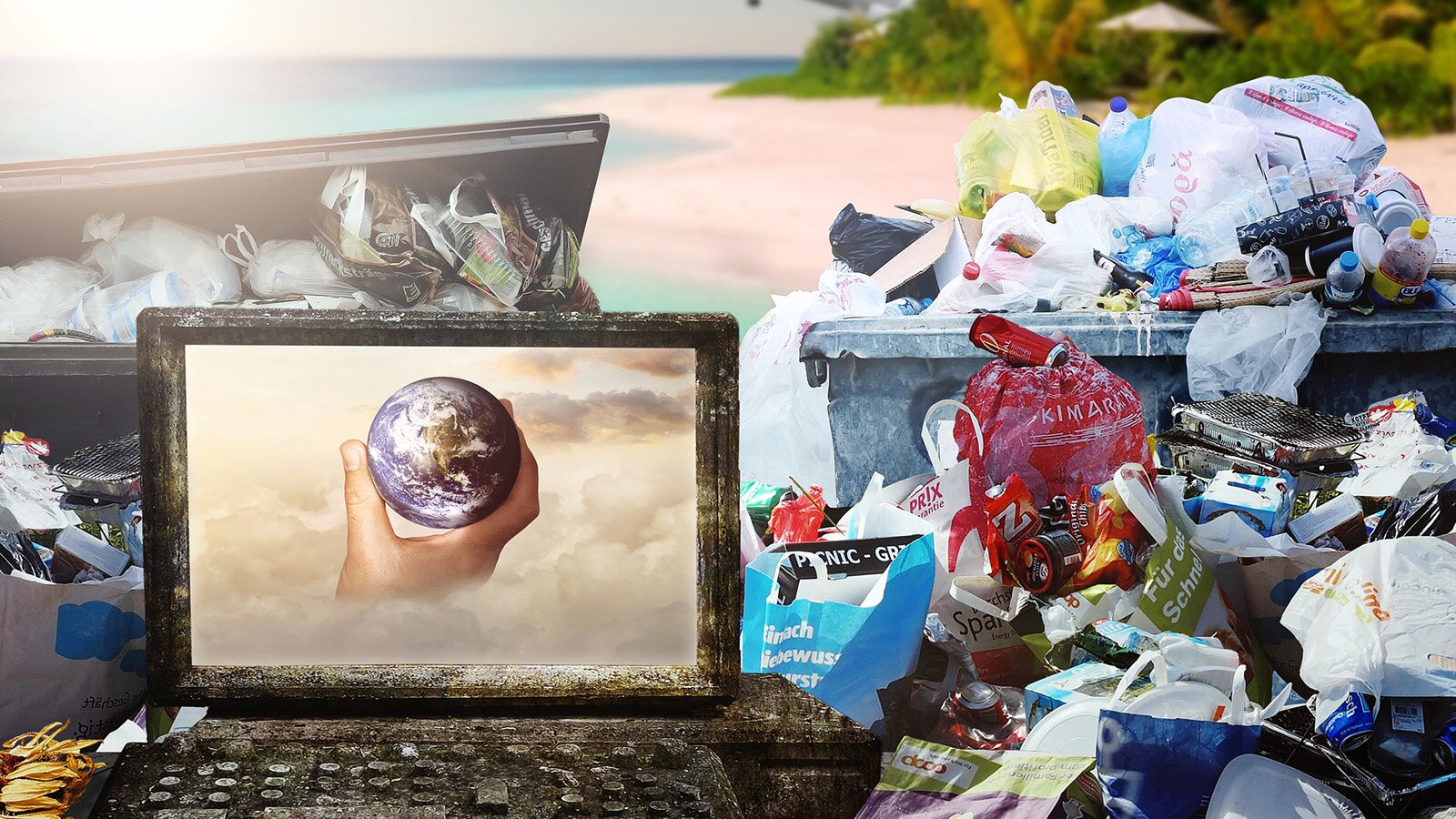
Zdjęcie przedstawia śmieci pozostawione na plaży. Widoczny jest laptop, na którego ekranie wyświetla się dłoń trzymająca kulę ziemską.
Dark side of tourism
Ciemna strona turystyki
Źródło: dostępny w internecie: www.pixabay.com [dostęp 25.03.2022], domena publiczna.
Exercise1
R1U4kZQB7WCpf
Drag the words to put them in the correct order to create a quotation by Jay Weatherill about the tourist industry. Do you agree with him? 1. Every user, 2. for, 3. that a healthy river, 4. a healthy economy, 5. and a healthy tourism industry, 6. understands, 7. of the river down here, 8. is absolutely vital1. Every user, 2. for, 3. that a healthy river, 4. a healthy economy, 5. and a healthy tourism industry, 6. understands, 7. of the river down here, 8. is absolutely vital1. Every user, 2. for, 3. that a healthy river, 4. a healthy economy, 5. and a healthy tourism industry, 6. understands, 7. of the river down here, 8. is absolutely vital1. Every user, 2. for, 3. that a healthy river, 4. a healthy economy, 5. and a healthy tourism industry, 6. understands, 7. of the river down here, 8. is absolutely vital1. Every user, 2. for, 3. that a healthy river, 4. a healthy economy, 5. and a healthy tourism industry, 6. understands, 7. of the river down here, 8. is absolutely vital1. Every user, 2. for, 3. that a healthy river, 4. a healthy economy, 5. and a healthy tourism industry, 6. understands, 7. of the river down here, 8. is absolutely vital1. Every user, 2. for, 3. that a healthy river, 4. a healthy economy, 5. and a healthy tourism industry, 6. understands, 7. of the river down here, 8. is absolutely vital1. Every user, 2. for, 3. that a healthy river, 4. a healthy economy, 5. and a healthy tourism industry, 6. understands, 7. of the river down here, 8. is absolutely vital.
Drag the words to put them in the correct order to create a quotation by Jay Weatherill about the tourist industry. Do you agree with him? 1. Every user, 2. for, 3. that a healthy river, 4. a healthy economy, 5. and a healthy tourism industry, 6. understands, 7. of the river down here, 8. is absolutely vital1. Every user, 2. for, 3. that a healthy river, 4. a healthy economy, 5. and a healthy tourism industry, 6. understands, 7. of the river down here, 8. is absolutely vital1. Every user, 2. for, 3. that a healthy river, 4. a healthy economy, 5. and a healthy tourism industry, 6. understands, 7. of the river down here, 8. is absolutely vital1. Every user, 2. for, 3. that a healthy river, 4. a healthy economy, 5. and a healthy tourism industry, 6. understands, 7. of the river down here, 8. is absolutely vital1. Every user, 2. for, 3. that a healthy river, 4. a healthy economy, 5. and a healthy tourism industry, 6. understands, 7. of the river down here, 8. is absolutely vital1. Every user, 2. for, 3. that a healthy river, 4. a healthy economy, 5. and a healthy tourism industry, 6. understands, 7. of the river down here, 8. is absolutely vital1. Every user, 2. for, 3. that a healthy river, 4. a healthy economy, 5. and a healthy tourism industry, 6. understands, 7. of the river down here, 8. is absolutely vital1. Every user, 2. for, 3. that a healthy river, 4. a healthy economy, 5. and a healthy tourism industry, 6. understands, 7. of the river down here, 8. is absolutely vital.
Źródło: GroMar Sp. z o.o., licencja: CC BY-SA 3.0.
1
Exercise2
Drag the following words and drop them in the correct category.
R1RgYxYHLbnlv
Źródło: GroMar Sp. z o.o., licencja: CC BY-SA 3.0.
1
Exercise2
Complete the mind map: put the expressions in the spots marked “...” (letters A‑G) by double‑clicking on the text and typing in the correct word from the list below.
INCOME
AWARENESS
EDUCATIONAL
BIODIVERSITY
TRANSMISSION
OPPORTUNITIES
CONGESTION
RsdsdJC8j14um
Źródło: GroMar Sp. z o.o., licencja: CC BY-SA 3.0.
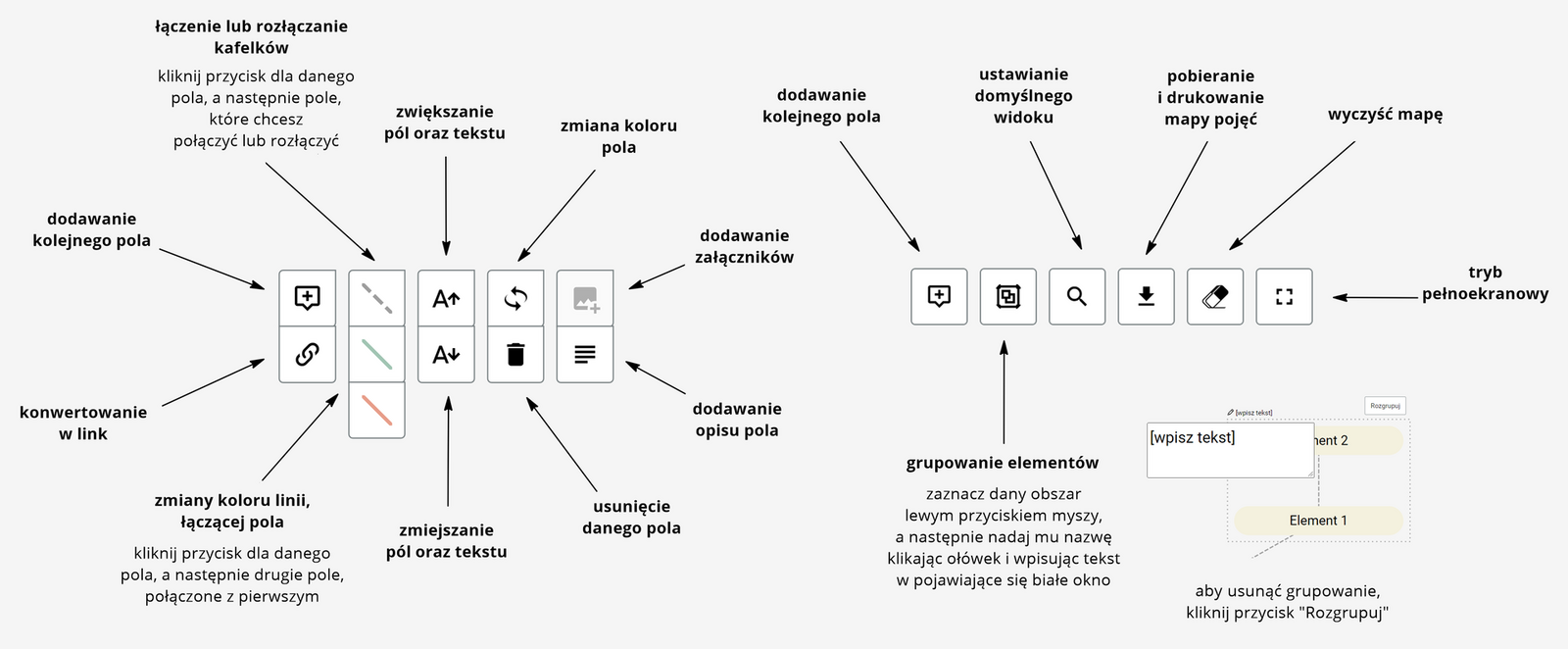
INSTRUKCJA DO MAPY POJĘĆ1azurewhite
R16BP6nqDncp0
Ilustracja
Źródło: GroMar Sp. z o.o., licencja: CC BY-SA 3.0.
Exercise3
R3UvAl7ii1Fk7
Match the words with the letters and check if you completed the mind gap correctly. A. Możliwe odpowiedzi: 1. OPPORTUNITIES, 2. INCOME, 3. CONGESTION, 4. BIODIVERSITY, 5. TRANSMISSION, 6. EDUCATIONAL, 7. AWARENESS B. Możliwe odpowiedzi: 1. OPPORTUNITIES, 2. INCOME, 3. CONGESTION, 4. BIODIVERSITY, 5. TRANSMISSION, 6. EDUCATIONAL, 7. AWARENESS C. Możliwe odpowiedzi: 1. OPPORTUNITIES, 2. INCOME, 3. CONGESTION, 4. BIODIVERSITY, 5. TRANSMISSION, 6. EDUCATIONAL, 7. AWARENESS D. Możliwe odpowiedzi: 1. OPPORTUNITIES, 2. INCOME, 3. CONGESTION, 4. BIODIVERSITY, 5. TRANSMISSION, 6. EDUCATIONAL, 7. AWARENESS E. Możliwe odpowiedzi: 1. OPPORTUNITIES, 2. INCOME, 3. CONGESTION, 4. BIODIVERSITY, 5. TRANSMISSION, 6. EDUCATIONAL, 7. AWARENESS F. Możliwe odpowiedzi: 1. OPPORTUNITIES, 2. INCOME, 3. CONGESTION, 4. BIODIVERSITY, 5. TRANSMISSION, 6. EDUCATIONAL, 7. AWARENESS G. Możliwe odpowiedzi: 1. OPPORTUNITIES, 2. INCOME, 3. CONGESTION, 4. BIODIVERSITY, 5. TRANSMISSION, 6. EDUCATIONAL, 7. AWARENESS
Match the words with the letters and check if you completed the mind gap correctly. A. Możliwe odpowiedzi: 1. OPPORTUNITIES, 2. INCOME, 3. CONGESTION, 4. BIODIVERSITY, 5. TRANSMISSION, 6. EDUCATIONAL, 7. AWARENESS B. Możliwe odpowiedzi: 1. OPPORTUNITIES, 2. INCOME, 3. CONGESTION, 4. BIODIVERSITY, 5. TRANSMISSION, 6. EDUCATIONAL, 7. AWARENESS C. Możliwe odpowiedzi: 1. OPPORTUNITIES, 2. INCOME, 3. CONGESTION, 4. BIODIVERSITY, 5. TRANSMISSION, 6. EDUCATIONAL, 7. AWARENESS D. Możliwe odpowiedzi: 1. OPPORTUNITIES, 2. INCOME, 3. CONGESTION, 4. BIODIVERSITY, 5. TRANSMISSION, 6. EDUCATIONAL, 7. AWARENESS E. Możliwe odpowiedzi: 1. OPPORTUNITIES, 2. INCOME, 3. CONGESTION, 4. BIODIVERSITY, 5. TRANSMISSION, 6. EDUCATIONAL, 7. AWARENESS F. Możliwe odpowiedzi: 1. OPPORTUNITIES, 2. INCOME, 3. CONGESTION, 4. BIODIVERSITY, 5. TRANSMISSION, 6. EDUCATIONAL, 7. AWARENESS G. Możliwe odpowiedzi: 1. OPPORTUNITIES, 2. INCOME, 3. CONGESTION, 4. BIODIVERSITY, 5. TRANSMISSION, 6. EDUCATIONAL, 7. AWARENESS
Źródło: GroMar Sp. z o.o., licencja: CC BY-SA 3.0.
R2BCxQbD64kUq
Exercise3
Match the following words to make the correct expressions connected with the impact of tourism.
Match the following words to make the correct expressions connected with the impact of tourism.
Źródło: GroMar Sp. z o.o., licencja: CC BY-SA 3.0.
1
Exercise4
Click numbers (1–4) that refer to different impacts of tourism and learn more about it. Then, do the exercises below.
R1D5sG3fDlKsD
Ilustracja przedstawia mapę pojęć. Ilustracja posiada cztery punkty interaktywne, po naciśnięciu których pojawia się nagranie. Transkrypcja do nagrań znajduje się poniżej.
Ilustracja nr 1 przedstawia element należący do kategorii ENVIRONMENTAL, w którym napisano: DEGRADATION OF HABITAT, VEGETATION, WATER TABLE, WILDLIFE.
Ilustracja nr 2 przedstawia element należący do kategorii: HEALTH, w którym napisano: LOWER RISK FOR MORBIDITY.
Ilustracja nr 3 przedstawia element należący do kategorii: ECONOMIC, w którym napisano: HIGHER CHANCES TO PRESERVE LOCAL CRAFTS, HISTORICAL SITES ETC.
llustracja nr 4 przedstawia element należący do kategorii: SOCIO‑CULTURAL, w którym napisano: RISK OF SOCIAL PROBLEMS (drug, abuse, crime, social instability)
Ilustracja przedstawia mapę pojęć. Ilustracja posiada cztery punkty interaktywne, po naciśnięciu których pojawia się nagranie. Transkrypcja do nagrań znajduje się poniżej.
Ilustracja nr 1 przedstawia element należący do kategorii ENVIRONMENTAL, w którym napisano: DEGRADATION OF HABITAT, VEGETATION, WATER TABLE, WILDLIFE.
Ilustracja nr 2 przedstawia element należący do kategorii: HEALTH, w którym napisano: LOWER RISK FOR MORBIDITY.
Ilustracja nr 3 przedstawia element należący do kategorii: ECONOMIC, w którym napisano: HIGHER CHANCES TO PRESERVE LOCAL CRAFTS, HISTORICAL SITES ETC.
llustracja nr 4 przedstawia element należący do kategorii: SOCIO‑CULTURAL, w którym napisano: RISK OF SOCIAL PROBLEMS (drug, abuse, crime, social instability)
Źródło: GroMar Sp. z o.o., licencja: CC BY-SA 3.0.
Ilustracja przedstawia mapę pojęć w języku angielskim. Pośrodku znajduje się napis: Impact of tourism, od którego odchodzą cztery odnogi z nazwami kategorii: Environmental, Economic, Health, Socio‑cultural. Na grafice znajdują się cztery numery, od 1 do 4, którymi oznaczone są punkty interaktywne. Punkt nr 1 jest przypisanym do kategorii Environmental, punkt nr 2 jest przypisanym do kategorii Health, punkt nr 3 jest przypisanym do kategorii Economic, a punkt nr 4 jest przypisanym do kategorii Socio‑cultural. Po naciśnięciu numerka można odsłuchać nagranie przypisane do punktu interaktywnego. Transkrypcja do nagrań znajduje się poniżej.
Ilustracja nr 1 przedstawia elementy należące do kategorii Environmental, która dzieli się na: Positive z odnogą: B. increased ...of environmental stewardship oraz Negative z odnogami: A. loss of …, water/air pollution, degradation of habitat, vegetation, water table, wildlife.
Ilustracja nr 2 przedstawia elementy należące do kategorii: Health, która dzieli się na: Positive z odnogami: positive experiences from social interactions, positive emotions, lower risk of illness oraz Negative z odnogami: G. risk of disease …, road accidents, stress related to density of tourists.
Ilustracja nr 3 przedstawia elementy należące do kategorii: Economic, która dzieli się na: Positive z odnogami: D. higher personal …, higher standard of living, increase in wealth of the area, higher chance of preserving local crafts, historical sites etc., improvements in local infrastructure and services, C. more job … oraz Negative z odnogami: seasonal jobs, higher prices in high tourist season, property values go up, locals might be pushed out by foreign companies.
llustracja nr 4 przedstawia elementy należące do kategorii: Socio‑cultural, która dzieli się na: Positive z odnogami: interaction with people from different cultural backgrounds, E.. …aspect, local culture and products are in demand, local communities cooperate oraz Negative z odnogami: higher crime level, F. traffic …, crowding, risk of social problems (drug abuse, crime, social instability).
TRANSCRIPTazurewhite
While tourism is usually associated with positive emotions, it seems to be causing problems for the environment. People’s desire for more authentic, original experiences led them to visit more and more remote areas. Nowadays there are hardly any unexplored natural places left in the world. It is said that more research is needed to estimate the impacts of tourism on ecosystems. We already know, however, that too much activity in an area leads to natural resource degradation, loss of biodiversity, and a higher level of water, soil, and air pollution, which reduces the ecosystem’s resilience. What is more, all the noise people make affects the way animals behave, for example birds change their nesting sites, reduce egg‑laying or even change their songs.
Tourism has short‑term and long‑term effects on people’s health. The short‑term ones are connected with temporary congestion of tourists in the high season period. Usually, there is a lot of traffic and the area is crowded, which may cause irritation and even stress. With the arrival of large numbers of people, there is also a higher risk of getting infected with any kind of disease - recently it has been SARS or COVID. We’ve learnt hygiene routines since the outbreak of the pandemic, but still, caution is advised. On the other hand, being with other people and getting to know their background and culture can be a positive trigger. We want to learn new things that are exotic to us so maintaining social interactions might have a salutary effect on our wellbeing and health. That is probably caused by endorphins released in our bodies when we feel happy. It seems that tourism may provide not only positive experiences but it can also make us live a longer, happier life, lowering the risk of illness and reducing stress at the same time. The more endorphins, the less stress and the more joy in life!
It is common knowledge that tourism is very beneficial to local businesses. Not only does it bring money to restore historic sites, but it also provides an economic stimulus for the diversification of employment potential. Everyone’s a winner here: the tourists, the host community, and the local residents. Positive trends start when there are more jobs for the locals who then set up their businesses and begin to hire others. This way, the economy is stimulated and more goods are manufactured locally, and new markets open to expand. Local products are worth their price and people know it. Tourists have always appreciated local arts and crafts as they are rare birds, not obtainable in any other place. Besides, they make truly unique souvenirs that are not mass‑produced. That’s the reason why visitors are prompted to buy regional foods or crafts.
Tourism may pose some risks, though. While we are excited about people coming to our towns, we must also keep in mind that these are people we actually don’t know at all. Tourism correlates with a rise in improper behaviours such as making noise in the streets, even at night, drink‑driving and causing car accidents. Unfortunately, it is reported that many such incidents take place in the high season, especially during the summer. Moreover, tourists usually look for “a good time”, so they act loudly and hardly follow any rules, which might be disruptive for local residents.
Exercise5
RjTSM2SX4GFHw
Based on the information from the recording, choose two correct answers. 1. Which two statements about the impacts of tourism on the ENVIRONMENT are true?
A. Tourists’ craving for reaching places off the beaten track has negative consequences.
B. There is still a vast number of undiscovered places.
C. It is proven that noise caused by humans alters habits of some species of animals.
2. Which two statements about the impacts of tourism on HEALTH are true?
A. Residents are under stress mainly in the peak season.
B. Socialising increases the levels of happiness hormones.
C. People get ill with COVID or SARS during holiday.
3. Which two statements about the impacts of tourism on the ECONOMY are true?
A. Tourism has little in common with growth in the local economy.
B. Some locals started developing their own businesses.
C. Regional products are famous for their distinctiveness.
4. Which two statements about the impacts of tourism on SOCIOCULTURAL issues are true?
A. Unacceptable behaviours of visitors seem to be a common sight during the year.
B. Unacceptable tourists’ behaviours repeat seasonally.
C. Tourists tend to ignore certain local regulations.
Based on the information from the recording, choose two correct answers. 1. Which two statements about the impacts of tourism on the ENVIRONMENT are true?
A. Tourists’ craving for reaching places off the beaten track has negative consequences.
B. There is still a vast number of undiscovered places.
C. It is proven that noise caused by humans alters habits of some species of animals.
2. Which two statements about the impacts of tourism on HEALTH are true?
A. Residents are under stress mainly in the peak season.
B. Socialising increases the levels of happiness hormones.
C. People get ill with COVID or SARS during holiday.
3. Which two statements about the impacts of tourism on the ECONOMY are true?
A. Tourism has little in common with growth in the local economy.
B. Some locals started developing their own businesses.
C. Regional products are famous for their distinctiveness.
4. Which two statements about the impacts of tourism on SOCIOCULTURAL issues are true?
A. Unacceptable behaviours of visitors seem to be a common sight during the year.
B. Unacceptable tourists’ behaviours repeat seasonally.
C. Tourists tend to ignore certain local regulations.
Źródło: GroMar Sp. z o.o., licencja: CC BY-SA 3.0.
2
Exercise6
R1YCsKeGv5eDL
Based on the information from the recordings, complete the sentences with a word or short phrase. 1. Scientists still try to 1. estimate, 2. worth their price, 3. keep in mind, 4. diversification, 5. outbreak, 6. loss of what the true impact of tourism on the environment is.
2. It must be taken under consideration that careless human activities are the reason for the 1. estimate, 2. worth their price, 3. keep in mind, 4. diversification, 5. outbreak, 6. loss of biodiversity in nature.
3. Due to the COVID19 1. estimate, 2. worth their price, 3. keep in mind, 4. diversification, 5. outbreak, 6. loss of in 2020, all the people around the world were forced to change their lifestyles.
4. The more developed the tourism, the greater 1. estimate, 2. worth their price, 3. keep in mind, 4. diversification, 5. outbreak, 6. loss of of job offers in the area.
5. Local goods are always 1. estimate, 2. worth their price, 3. keep in mind, 4. diversification, 5. outbreak, 6. loss of and tourists are eager to get them.
6. You should always 1. estimate, 2. worth their price, 3. keep in mind, 4. diversification, 5. outbreak, 6. loss of that wherever the tourists are, there is a lot of noise.
Based on the information from the recordings, complete the sentences with a word or short phrase. 1. Scientists still try to 1. estimate, 2. worth their price, 3. keep in mind, 4. diversification, 5. outbreak, 6. loss of what the true impact of tourism on the environment is.
2. It must be taken under consideration that careless human activities are the reason for the 1. estimate, 2. worth their price, 3. keep in mind, 4. diversification, 5. outbreak, 6. loss of biodiversity in nature.
3. Due to the COVID19 1. estimate, 2. worth their price, 3. keep in mind, 4. diversification, 5. outbreak, 6. loss of in 2020, all the people around the world were forced to change their lifestyles.
4. The more developed the tourism, the greater 1. estimate, 2. worth their price, 3. keep in mind, 4. diversification, 5. outbreak, 6. loss of of job offers in the area.
5. Local goods are always 1. estimate, 2. worth their price, 3. keep in mind, 4. diversification, 5. outbreak, 6. loss of and tourists are eager to get them.
6. You should always 1. estimate, 2. worth their price, 3. keep in mind, 4. diversification, 5. outbreak, 6. loss of that wherever the tourists are, there is a lot of noise.
Źródło: GroMar Sp. z o.o., licencja: CC BY-SA 3.0.
Exercise7
Based on the information from the recordings type the examples of the impact of tourism on:
The environment
R1FmS2u3J5JzB
(Uzupełnij).
Źródło: GroMar Sp. z o.o., licencja: CC BY-SA 3.0.
Show answerazurewhite
The environment: natural resource degradation, degraded ecosystems, soil pollution, water pollution, change in animals’ behaviour, higher water levels
People’s health
R1b18afrEj6X6
(Uzupełnij).
Źródło: GroMar Sp. z o.o., licencja: CC BY-SA 3.0.
Show answerazurewhite
People’s health: better mood, risks of being infected, feeling anxious, hygiene habits
Local businesses
RzqsD9UibarMd
(Uzupełnij).
Źródło: GroMar Sp. z o.o., licencja: CC BY-SA 3.0.
Show answerazurewhite
Local businesses: opportunity to set up a business, higher job potential, prospects of revitalisation of local sites, promotion of local products
The locals / The residents
R8872Aw34cpmz
(Uzupełnij).
Źródło: GroMar Sp. z o.o., licencja: CC BY-SA 3.0.
Show answerazurewhite
The locals/The residents: disruptive acts of visitors, higher risk of car accidents, noise, congestion