bg‑azure

According to Ethan Zuckerman, an American media scholar and the author of Rewire: Digital Cosmopolitans in the Age of Connection, a common language is the first step towards communication across cultural boundaries. Have you ever thought about it in such a way? In this section, you are going to learn some useful words and phrases connected with language learning. Work with the mind map and see how much you already know!

Według Ethana Zuckermana, amerykańskiego badacza mediów i autora Rewire: Digital Cosmopolitans in the Age of Connection, wspólny język to pierwszy krok w kierunku komunikacji ponad granicami kulturowymi. Czy kiedykolwiek myślałeś/myślałaś o tym w taki sposób? W tej sekcji nauczysz się kilku przydatnych zwrotów związanych z nauką języków. Pracuj z mapą pojęć i sprawdź, ile już wiesz!
R19HfiF2wIdl7
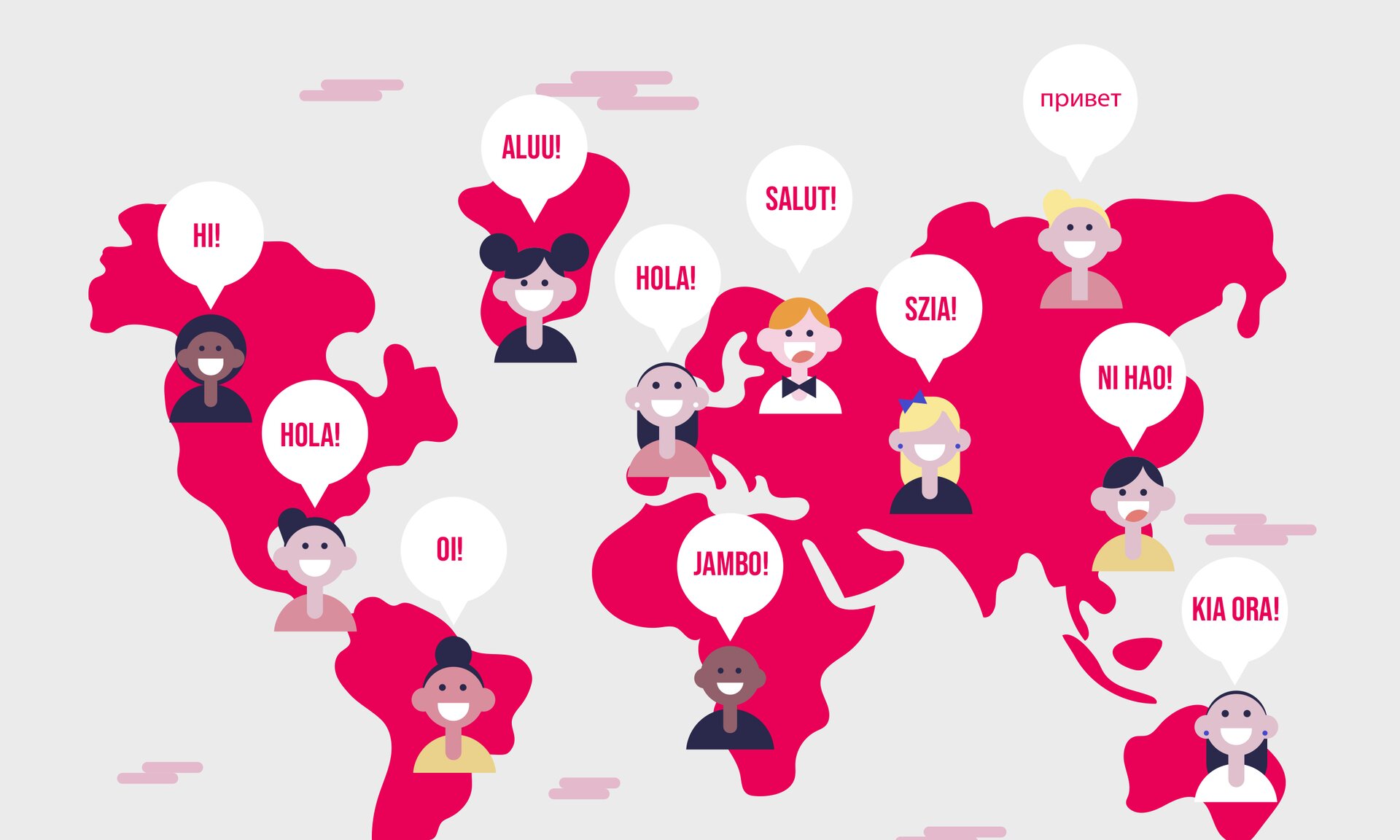
How wonderful would it be to speak a common language!
Jak wspaniale byłoby mówić wspólnym językiem!
Źródło: dostępny w internecie: freepik.com [dostęp 21.12.2021], domena publiczna.
Exercise 1
Rud7941OYeMUp
Match the words and phrases below with their definitions. simplicity Możliwe odpowiedzi: 1. to learn how to do something well, 2. the fact that something is easy to understand or do, 3. a good knowledge of something, or the fact that you know it so well, 4. someone who tries to encourage something to happen or develop, 5. to improve the quality of something by adding something else, 6. to understand comprehend Możliwe odpowiedzi: 1. to learn how to do something well, 2. the fact that something is easy to understand or do, 3. a good knowledge of something, or the fact that you know it so well, 4. someone who tries to encourage something to happen or develop, 5. to improve the quality of something by adding something else, 6. to understand familiarity Możliwe odpowiedzi: 1. to learn how to do something well, 2. the fact that something is easy to understand or do, 3. a good knowledge of something, or the fact that you know it so well, 4. someone who tries to encourage something to happen or develop, 5. to improve the quality of something by adding something else, 6. to understand enrich Możliwe odpowiedzi: 1. to learn how to do something well, 2. the fact that something is easy to understand or do, 3. a good knowledge of something, or the fact that you know it so well, 4. someone who tries to encourage something to happen or develop, 5. to improve the quality of something by adding something else, 6. to understand promoter Możliwe odpowiedzi: 1. to learn how to do something well, 2. the fact that something is easy to understand or do, 3. a good knowledge of something, or the fact that you know it so well, 4. someone who tries to encourage something to happen or develop, 5. to improve the quality of something by adding something else, 6. to understand master Możliwe odpowiedzi: 1. to learn how to do something well, 2. the fact that something is easy to understand or do, 3. a good knowledge of something, or the fact that you know it so well, 4. someone who tries to encourage something to happen or develop, 5. to improve the quality of something by adding something else, 6. to understand
Źródło: GroMar Sp. z o.o., licencja: CC BY-SA 3.0.
1
1
Exercise 2

Drag and drop words or expressions into the correct category.

R1HCe2qrdByl5
Źródło: GroMar Sp. z o.o., licencja: CC BY-SA 3.0.

Work with the mind map below and then, do the exercises.
INSTRUKCJA DO MAPY POJĘĆazurewhite

Put the expressions in the spots marked  by letters from A to H by double‑clicking on the text and typing in the correct word from the list below.

REGULARITIES

COMPREHEND

ACTIVE SPEAKERS

ENRICH

AUXILIARY LANGUAGE

SELF‑DEVELOPMENT

WIDELY AVAILABLE

CONSTRUCTED LANGUAGE

R1bfH3G2T9ATi1
Źródło: GroMar Sp. z o.o., licencja: CC BY-SA 3.0.
1
Exercise 2

Match the following words or expressions with the correct definition.

R1Vri5j9xldL6
champion Możliwe odpowiedzi: 1. a language used for communication between persons that do not understand each other's native language, 2. people who use the language regularly, 3. people who have spoken particular language since they were babies, 4. an artificial language, 5. words or phrases that are commonly understood by a group of people, 6. a person who enthusiastically supports, defends or fights for a person, belief, right or principle native speakers Możliwe odpowiedzi: 1. a language used for communication between persons that do not understand each other's native language, 2. people who use the language regularly, 3. people who have spoken particular language since they were babies, 4. an artificial language, 5. words or phrases that are commonly understood by a group of people, 6. a person who enthusiastically supports, defends or fights for a person, belief, right or principle active speakers Możliwe odpowiedzi: 1. a language used for communication between persons that do not understand each other's native language, 2. people who use the language regularly, 3. people who have spoken particular language since they were babies, 4. an artificial language, 5. words or phrases that are commonly understood by a group of people, 6. a person who enthusiastically supports, defends or fights for a person, belief, right or principle constructed language Możliwe odpowiedzi: 1. a language used for communication between persons that do not understand each other's native language, 2. people who use the language regularly, 3. people who have spoken particular language since they were babies, 4. an artificial language, 5. words or phrases that are commonly understood by a group of people, 6. a person who enthusiastically supports, defends or fights for a person, belief, right or principle common language Możliwe odpowiedzi: 1. a language used for communication between persons that do not understand each other's native language, 2. people who use the language regularly, 3. people who have spoken particular language since they were babies, 4. an artificial language, 5. words or phrases that are commonly understood by a group of people, 6. a person who enthusiastically supports, defends or fights for a person, belief, right or principle auxiliary language Możliwe odpowiedzi: 1. a language used for communication between persons that do not understand each other's native language, 2. people who use the language regularly, 3. people who have spoken particular language since they were babies, 4. an artificial language, 5. words or phrases that are commonly understood by a group of people, 6. a person who enthusiastically supports, defends or fights for a person, belief, right or principle
Źródło: GroMar Sp. z o.o., licencja: CC BY-SA 3.0.
Exercise 2
RrgDDfAYPubou
Match the words and phrases with letters to check if you completed the mind map correctly. A Możliwe odpowiedzi: 1. REGULARITIES, 2. COMPREHEND, 3. SELF-DEVELOPMENT, 4. CONSTRUCTED LANGUAGE, 5. ENRICH, 6. WIDELY AVAILABLE, 7. AUXILIARY LANGUAGE, 8. ACTIVE SPEAKERS B  Możliwe odpowiedzi: 1. REGULARITIES, 2. COMPREHEND, 3. SELF-DEVELOPMENT, 4. CONSTRUCTED LANGUAGE, 5. ENRICH, 6. WIDELY AVAILABLE, 7. AUXILIARY LANGUAGE, 8. ACTIVE SPEAKERS C  Możliwe odpowiedzi: 1. REGULARITIES, 2. COMPREHEND, 3. SELF-DEVELOPMENT, 4. CONSTRUCTED LANGUAGE, 5. ENRICH, 6. WIDELY AVAILABLE, 7. AUXILIARY LANGUAGE, 8. ACTIVE SPEAKERS D  Możliwe odpowiedzi: 1. REGULARITIES, 2. COMPREHEND, 3. SELF-DEVELOPMENT, 4. CONSTRUCTED LANGUAGE, 5. ENRICH, 6. WIDELY AVAILABLE, 7. AUXILIARY LANGUAGE, 8. ACTIVE SPEAKERS E  Możliwe odpowiedzi: 1. REGULARITIES, 2. COMPREHEND, 3. SELF-DEVELOPMENT, 4. CONSTRUCTED LANGUAGE, 5. ENRICH, 6. WIDELY AVAILABLE, 7. AUXILIARY LANGUAGE, 8. ACTIVE SPEAKERS F  Możliwe odpowiedzi: 1. REGULARITIES, 2. COMPREHEND, 3. SELF-DEVELOPMENT, 4. CONSTRUCTED LANGUAGE, 5. ENRICH, 6. WIDELY AVAILABLE, 7. AUXILIARY LANGUAGE, 8. ACTIVE SPEAKERS G  Możliwe odpowiedzi: 1. REGULARITIES, 2. COMPREHEND, 3. SELF-DEVELOPMENT, 4. CONSTRUCTED LANGUAGE, 5. ENRICH, 6. WIDELY AVAILABLE, 7. AUXILIARY LANGUAGE, 8. ACTIVE SPEAKERS H  Możliwe odpowiedzi: 1. REGULARITIES, 2. COMPREHEND, 3. SELF-DEVELOPMENT, 4. CONSTRUCTED LANGUAGE, 5. ENRICH, 6. WIDELY AVAILABLE, 7. AUXILIARY LANGUAGE, 8. ACTIVE SPEAKERS
Źródło: GroMar Sp. z o.o., licencja: CC BY-SA 3.0.
Exercise 3

Analyse the mind map above. Drag and drop expressions into the correct category.

R12BSOcwc97bM
language types Możliwe odpowiedzi: 1. familiarity, 2. enrich, 3. collocations, 4. simplicity, 5. have a good grasp of, 6. native, 7. artificial, 8. constructed, 9. auxiliary, 10. lack of irregularities, 11. be couched in, 12. diversity of patterns, 13. comprehend, 14. set of words, 15. irregularities, 16. widely available structure Możliwe odpowiedzi: 1. familiarity, 2. enrich, 3. collocations, 4. simplicity, 5. have a good grasp of, 6. native, 7. artificial, 8. constructed, 9. auxiliary, 10. lack of irregularities, 11. be couched in, 12. diversity of patterns, 13. comprehend, 14. set of words, 15. irregularities, 16. widely available useful verbs/phrases Możliwe odpowiedzi: 1. familiarity, 2. enrich, 3. collocations, 4. simplicity, 5. have a good grasp of, 6. native, 7. artificial, 8. constructed, 9. auxiliary, 10. lack of irregularities, 11. be couched in, 12. diversity of patterns, 13. comprehend, 14. set of words, 15. irregularities, 16. widely available attractiveness Możliwe odpowiedzi: 1. familiarity, 2. enrich, 3. collocations, 4. simplicity, 5. have a good grasp of, 6. native, 7. artificial, 8. constructed, 9. auxiliary, 10. lack of irregularities, 11. be couched in, 12. diversity of patterns, 13. comprehend, 14. set of words, 15. irregularities, 16. widely available
Źródło: GroMar Sp. z o.o., licencja: CC BY-SA 3.0.
Exercise 4

Type the missing words in the correct places. Use the words from the mind map.

R1Z7O3ygoMa84
  1.     Tu uzupełnij    in conversation with foreigners
  2. diversity of     Tu uzupełnij    
  3. native     Tu uzupełnij    
  4. self -    Tu uzupełnij    
  5.     Tu uzupełnij    people
  6. second     Tu uzupełnij    speakers
  7. bringing     Tu uzupełnij    
Źródło: GroMar Sp. z o.o., licencja: CC BY-SA 3.0.
Exercise 5

Study the mind map above. Then, type in the words you find there to complete the sentences. The words and phrases should be translations of what is written in brackets.

RlHjclarjyJnG
  1. Who are the (mistrzami)     Tu uzupełnij    of Esperanto, promoting it worldwide?
  2. Esperanto is the most popular (sztucznym językiem)     Tu uzupełnij     in the world.
  3. My brother’s (znajomość)     Tu uzupełnij    with Esperanto helped him enjoy his stay abroad.
  4. Learning (kolokacji)     Tu uzupełnij     is one step towards sounding like a native speaker.
  5. There are organisations which are (popularyzatorami)    Tu uzupełnij     of foreign language learning abroad.
  6. Some languages like Esperanto (brakuje im)     Tu uzupełnij     grammar irregularities. (UWAGA: nie używaj słowa "HAVE")
  7. Languages constructed for international communication are called (pomocnicze)     Tu uzupełnij     languages.
Źródło: GroMar Sp. z o.o., licencja: CC BY-SA 3.0.