Mapa pojęć
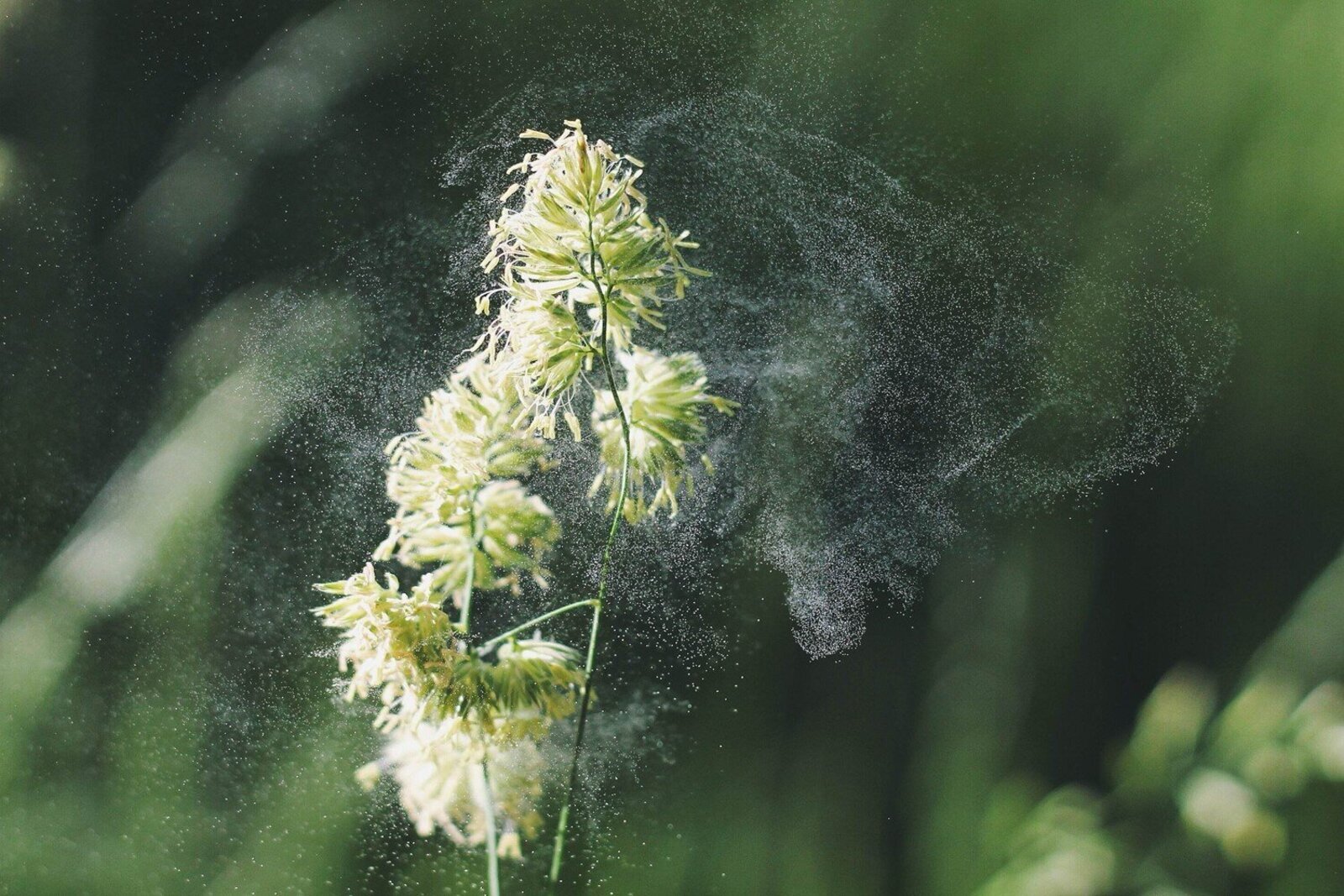
The picture below depicts pollen mist which is the cause of most plant allergies. Did you know that pollen comes in many colours, not only yellow, and not all of its types trigger allergies? In this section you are going to work with a mind map and learn how to organise vocabulary connected with allergies.
Poniższe zdjęcie przedstawia chmurę pyłku, który jest przyczyną większości alergii roślinnych. Czy wiesz, że pyłek występuje w wielu kolorach – nie tylko żółtym – i że nie wszystkie jego typy powodują alergie? W tej sekcji popracujesz z mapą pojęć, dzięki której wzbogacisz zasób słownictwa związanego z alergiami.
- When a substance causes unpleasant reactions, but without involvement of the immune system, and is never life-threatening...
Tu uzupełnij
- A reaction of the immune system when it is exposed to a normally harmless substance.
Tu uzupełnij
- An exaggerated reaction to the normal effects of a substance.
Tu uzupełnij
- Heart palpitations and trembling after drinking coffee. 1. food allergy, 2. food sensitivity, 3. food intolerance
- Bloating and diarrhoea a few hours after eating milk chocolate. 1. food allergy, 2. food sensitivity, 3. food intolerance
- Skin rash and swelling in the mouth and throat after eating fish. 1. food allergy, 2. food sensitivity, 3. food intolerance
Now study the mind map organising vocabulary on allergies and do the exercises below.
![Grafika przedstawia rysunkową instrukcję do mapy pojęć. Po lewej stronie pośrodku znajduje się jedenaście ikon, w pięciu kolumnach, do których prowadzą czarne strzałki od przypisanych do nich opisów. W pierwszej kolumnie od lewej u góry widoczna jest ikona dymka z plusem w środku z podpisem: dodawanie kolejnego pola. Poniżej widoczna jest ikona hiperłącza internetowego z podpisem: konwertowanie w link. W kolumnie na prawo od góry widoczna jest ikona skośnej przerywanej szarej linii z podpisem: łączenie lub rozłączanie kafelków kliknij przycisk dla danego pola, a następnie pole, które chcesz połączyć lub rozłączyć. Poniżej znajdują się dwie ikony (jedna ze skośną zieloną, a druga czerwoną linią) z podpisem: zmiana koloru linii, łączącej pola kliknij przycisk dla danego pola, a następnie drugie pole, połączone z pierwszym. W trzeciej kolumnie widoczna jest od góry ikona z literką A, po której prawej stronie widoczna jest strzałka w górę, z podpisem: zwiększanie pól oraz tekstu. Poniżej widoczna jest ikona z literką A, po której prawej stronie widoczna jest strzałka w dół, z podpisem: zmniejszanie pól oraz tekstu. W czwartej kolumnie od góry widoczna jest ikona z dwoma strzałkami biegnącymi po łuku w przeciwnych kierunkach z podpisem: zmiana koloru pola. Poniżej widoczna jest ikona z koszem na śmieci z podpisem: usunięcie danego pola. W piątek kolumnie od góry widoczna jest ikona z szarym kwadratem z małym plusikiem z podpisem: dodawanie załączników, a poniżej ikona z liniami tekstu z podpisem: dodawanie opisu pola. Natomiast po prawej stronie znajduje się sześć ikon w rzędzie kolumnach, do których prowadzą czarne strzałki od przypisanych do nich opisów. Od lewej widoczna jest ikona dymka z plusem w środku z podpisem: dodawanie kolejnego pola; ikona z kwadratem, w który wpisane są dwa nakładające się kwadraty z podpisem: grupowanie elementów zaznacz dany obszar lewym przyciskiem myszy, a następnie nadaj mu nazwę klikając ołówek i wpisując tekst w pojawiające się białe okno; ikona z lupą z podpisem: ustawianie domyślnego widoku; ikona ze strzałką w dół, poniżej której pozioma kreska z podpisem: pobieranie i drukowanie mapy pojęć; ikona z gumką z podpisem: wyczyść mapę i ikona trybu pełnoekranowego z podpisem: tryb pełnoekranowy. Po prawej stronie u dołu widoczne jest również biały prostokąt z napisem [wpisz tekst], który nachodzi na pole z dwoma żółtymi elementami z napisem Element 1 i Element 2. Poniżej podpis: aby usunąć grupowanie, kliknij przycisk „Rozgrupuj”.](https://static.zpe.gov.pl/portal/f/res-minimized/R6lpjFnU0xSsa/1712568744/169qGqm0PZeu1EyACFC8EwYGUDQUknV8.png)
Mapa pojęć składa się z pojęć wpisanych w prostokątne pola, które są między sobą powiązane oraz mają różne kolory, które pomagają w przyporządkowaniu pojęć do konkretnej kategorii.
Pośrodku widoczny jest jasnopomarańczowy prostokąt z napisem: ALLERGY, który rozdziela się na sześć części w kolorach: zielonym, ciemnopomarańczowym, granatowym, jasnożółtym i jasnopomarańczowym.
Pierwsza grupa w kolorze zielonym to: TREATMENT, od której odchodzi pięć odnóg – antihistamines; decongestants; steroids; immunotherapy; 2. z odgałęzieniem: anaphylaxis.
Druga grupa w kolorze ciemnopomarańczowym to: EXPRESSIONS, od której odchodzą trzy odnogi – be allergic to; come out in a rash; induce z trzema odgałęzieniami: contact dermatitis, inflammation, allergic.
Trzecia grupa w kolorze ciemnopomarańczowym to: DIAGNOSIS, od której odchodzą trzy odnogi – 3.; skin prick test; blood test.
Czwarta grupa w kolorze granatowym to: ALLERGENS, od której odchodzą cztery odnogi – 4.; mould; dust mites; animal dander.
Piąta grupa w kolorze jasnożółtym to: 5., od której odchodzi osiem odnóg – sneezing; nose z dwoma odgałęzieniami: stuffy, 6.; wheezing; eyes z czterema odgałęzieniami: conjunctivitis, watery, itchy, red; rash; swelling; itchiness; hives.
Szósta grupa w kolorze jasnopomarańczowym to: 1., od której odchodzi siedem odnóg – food allergy; insect siting allergy; drug allergy; pet allergy; pollen allergy; mould allergy; occupational allergy.
- After eating strawberries, my skin turned red and I got Tu uzupełnij (pokrzywki), which was really itchy!
- The doctor suggested I should try the Tu uzupełnij (diety wyłączającej niektóre pokarmy) to see if my condition would improve.
- A lot of allergies are caused by Tu uzupełnij (roztocza).
- He developed an Tu uzupełnij (alergię o podłożu zawodowym) as a result of frequent contact with chemicals.
- I’ve discovered that using Tu uzupełnij (balsamów i kremów nawilżających) makes my skin less irritated.
- Every spring my sister suffers from Tu uzupełnij (katar sienny), and she just can’t stop sneezing.
- I was told that this medication might help to Tu uzupełnij (złagodzić objawy) of my allergy.
- They did a patch test on my arm to determine the substances I Tu uzupełnij (na które jestem uczulony/uczulona).