Organizowanie i wykonywanie renowacji tynków
Uzgodnienia dotyczące zakresu prac renowacyjnych obiektu
1. Film in the standard version.
Film dostępny pod adresem /preview/resource/R4vnnGr4MvY4n
Uzgodnienia dotyczące zakresu prac renowacyjnych obiektu
2. Film with subtitles.

Film dostępny pod adresem /preview/resource/R1FYHjS1gAfvL
Uzgodnienia dotyczące zakresu prac renowacyjnych obiektu
3. Film with pauses. Listen and repeat.
Film dostępny pod adresem /preview/resource/RKgjrD0KFoVF9
Uzgodnienia dotyczące zakresu prac renowacyjnych obiektu
4. Film with narration.

Film dostępny pod adresem /preview/resource/R1NippVwzbCwU
Uzgodnienia dotyczące zakresu prac renowacyjnych obiektu
Put the dialogue in the correct order.Ułóż dialog w odpowiedniej kolejności.
- No problem, we can deal with both, although I think it would be necessary to start with external plasters.
- Good morning !
- When can you start?
- Only because of the weather. We have spring, I think that you would have to use sunny days and start from here. We will be able to repair internal plasters calmly in the winter.
- Why do you think so?
- I think the beginning of the next week.
- All agreed !
- Great. In this case, I’m in it.
- Sir, in general we are renovating the entire building. We need to renew both the interiors and the external elements.
- I’m at your service. What will we be working on?
- Good morning ! I need your help with the renovation of this building. Can you help me?
Renowacja tynków zewnętrznych
PLASTER EVALUATION - Even if the plaster does not require special repairs and no defects are visible on it, our goal is its refreshment only, the thorough visual check of the wall must be performed. First of all, it is necessary to determine what the plaster is made of, in order to select the materials for possible repairs appropriately. It’s also necessary to determine plaster absorption, degree of binding with the substrate, strength, evaluate the size and character of scratches. In particular, the sites exposed to the impact of water must be checked visually.
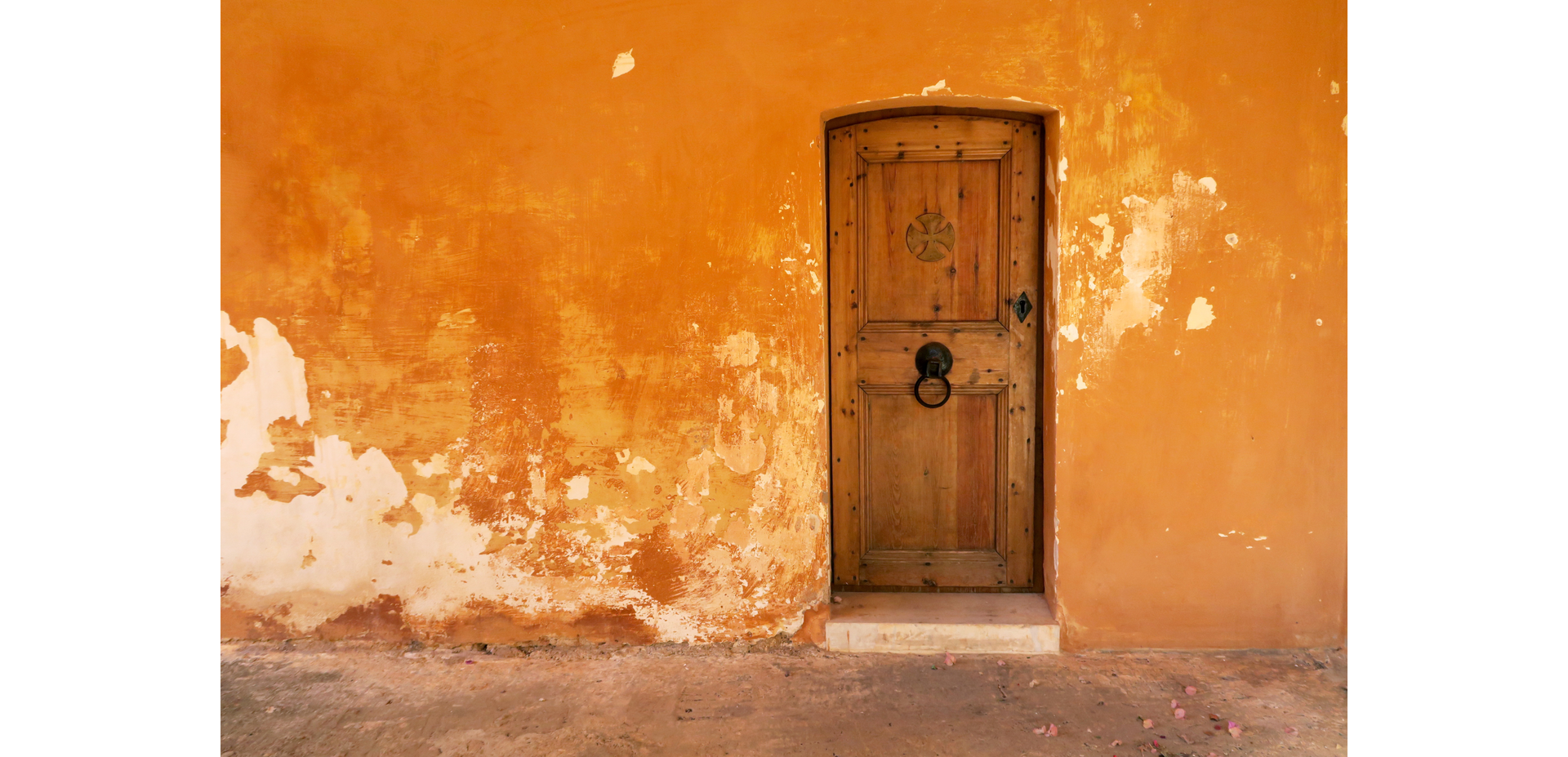
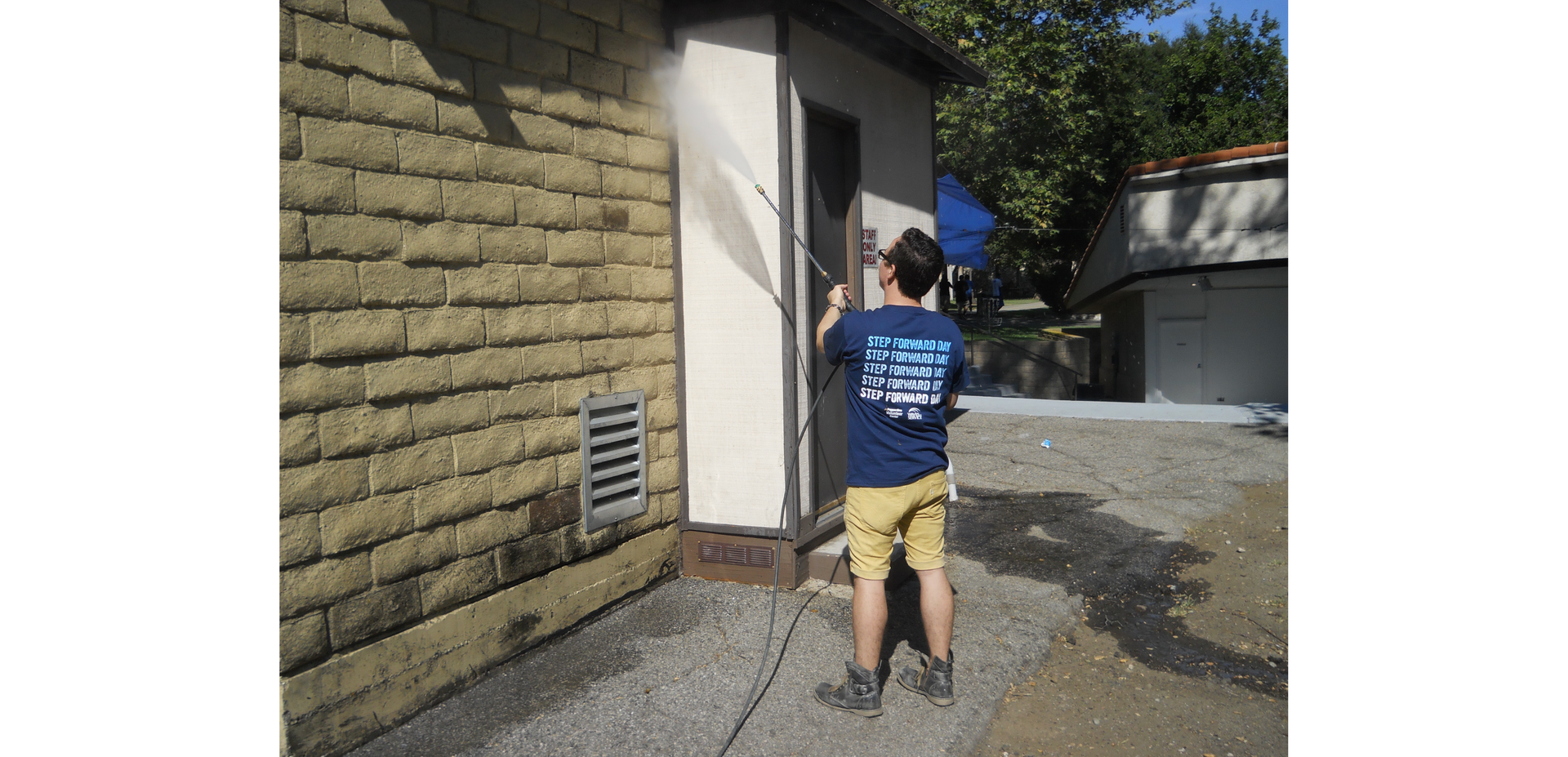
WALL WASHING - If we only want to renew the paint layer, let’s first check the degree of its binding with plaster. First it should be well washed. Do it with hot water under pressure, it is also possible to use water steam. This way we will remove all the dirt, and additionally we will uncover the sites where the paint is weakly bound with plaster.
PLASTER CUTTING - After washing a professional cuts the wall in an appropriate manner and on this basis, checks the degree of binding of the paint with the substrate. If the paint chips off, it will be necessary to remove the entire old paint and paint the surface again after performing the necessary plaster repairs.
FALLING OFF OF PLASTER - If the plaster falls off the entire surface, apply the primer, which will strengthen the façade.
PLASTER DAMPENING - If the plaster dampens, i.e. absorbs too much water, we use a waterproofing agent. However, it must be used in moderation, as an excessively large amount will significantly deteriorate vapour permeability of the wall and its adhesion.
CRACKS - Scratches and cracks of the wall occur for different reasons, and are of a different type. Thin scratches called plastering scratches (0.2 mm wide and several millimetres thick) create the minimum number of problems. It is sometimes enough to use facade paint for cracked surfaces, or possibly cover with the waterproofing agent.
WALL CRACKS - Thicker gaps (2‑3 mm) are widened to give them the shape of a wedge (the wider end is obviously outside); then they are cleaned, primed and filled with mortar. On the top surface, a glass fibre mesh is applied.
FILLING - After all the repairs the plaster should be filled to give the old and new fragments a uniform look. A layer is usually 3‑4 mm thick, it can then be painted or covered with thin‑coat plaster.
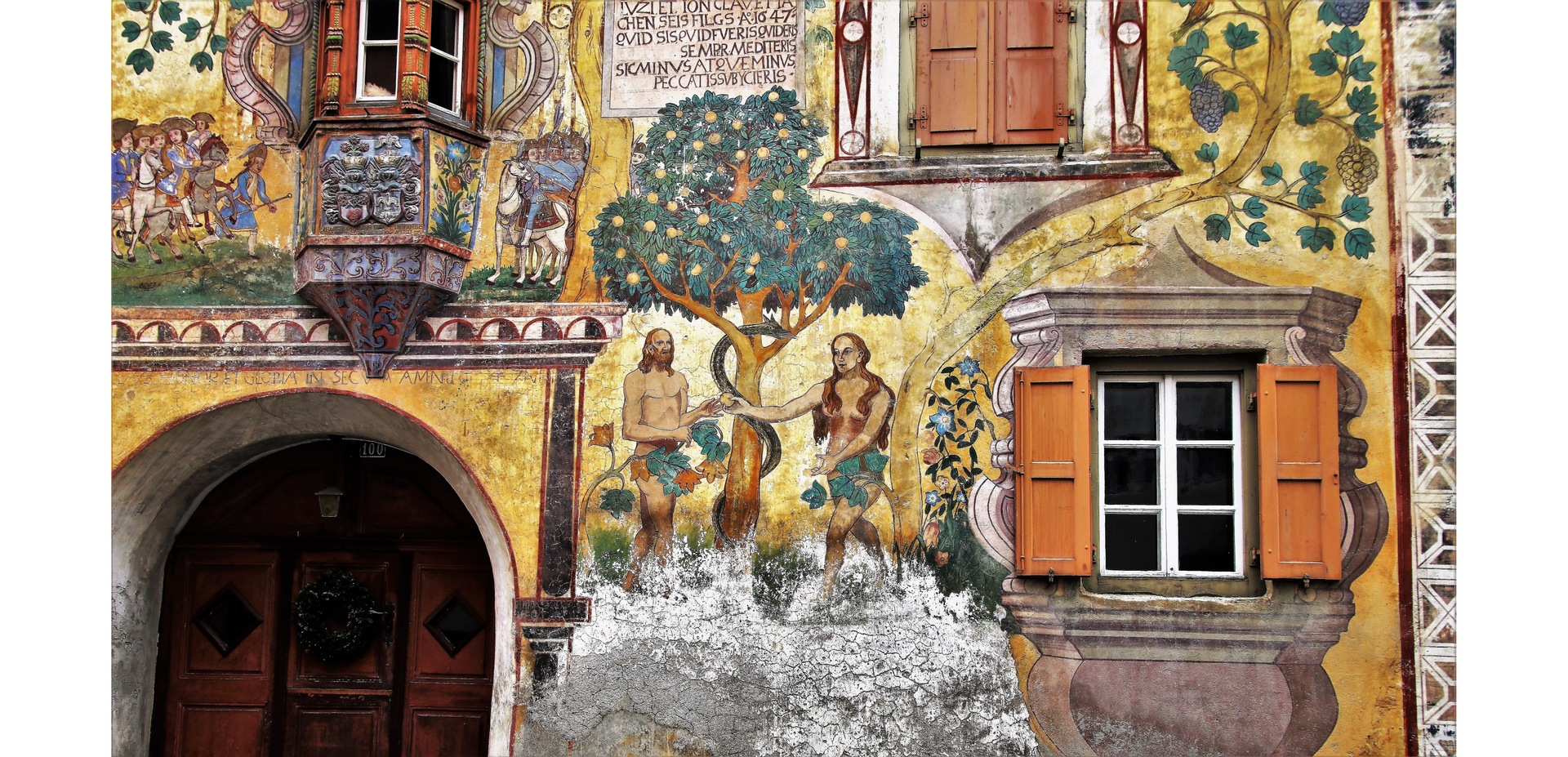
HISTORICAL PLASTERS - Renovation of historical buildings requires special attention, which is why some companies offer sets of materials for their renovation. They allow the renovation of various types of buildings, also made of materials not currently used.
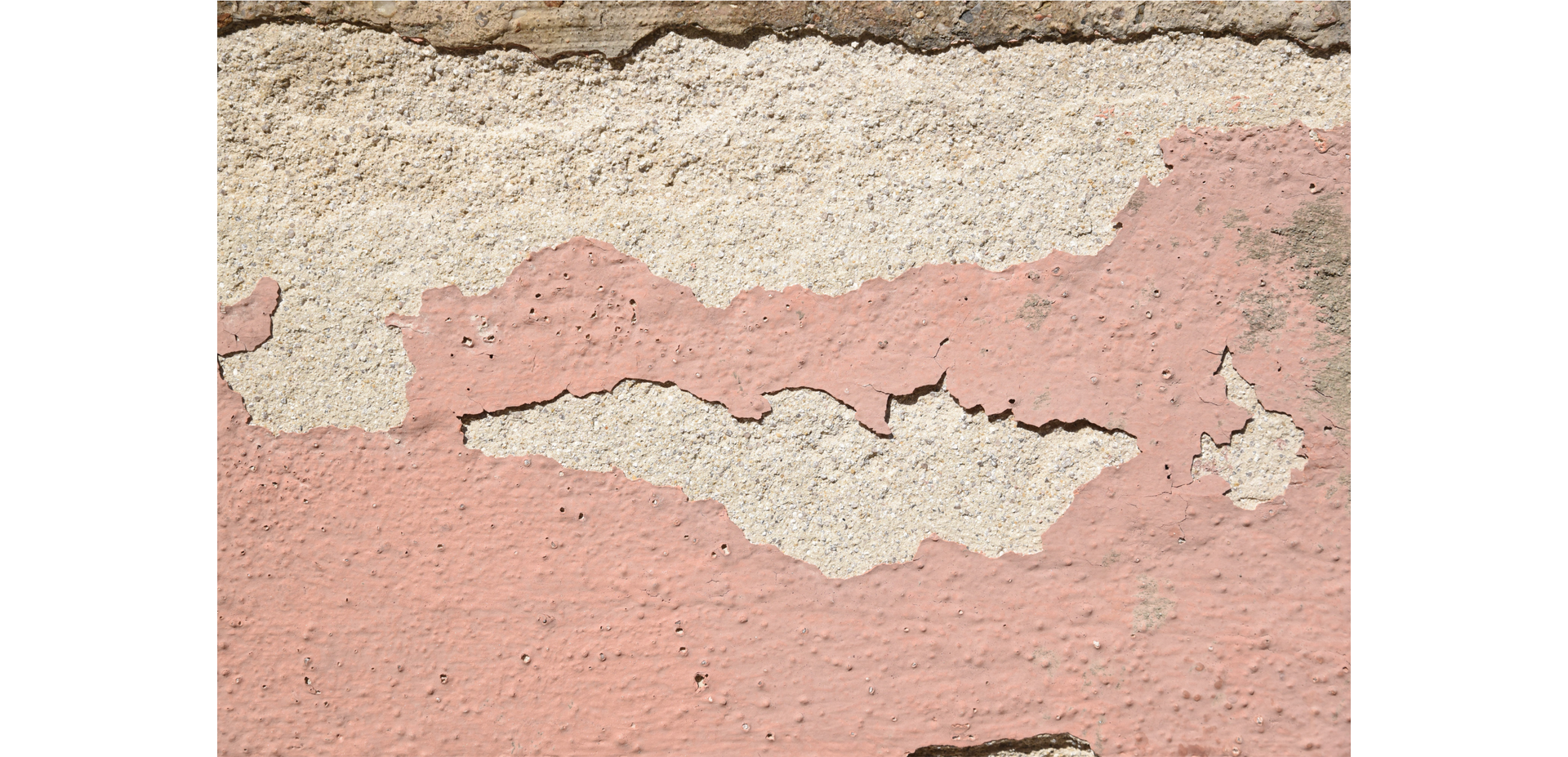
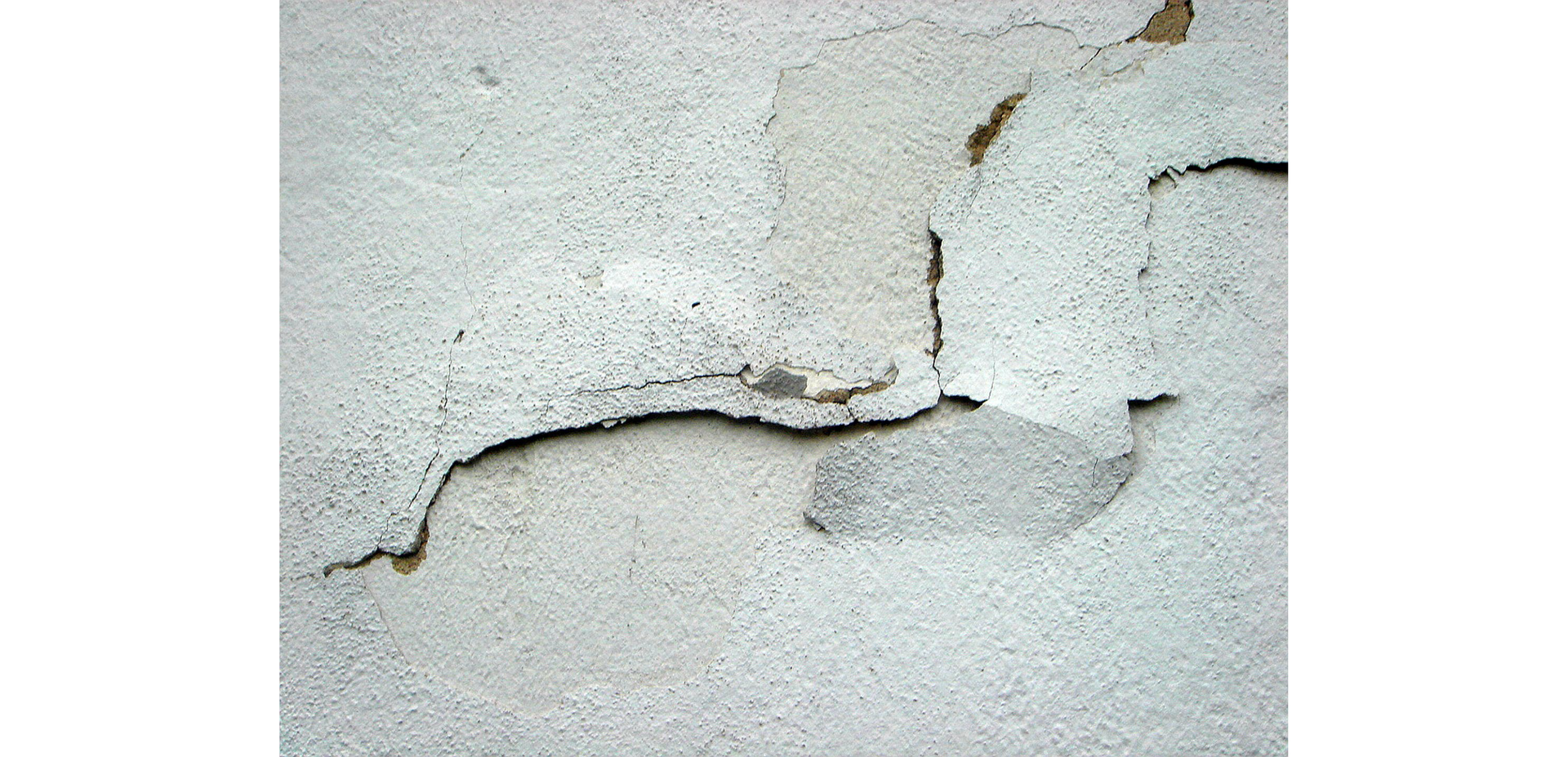
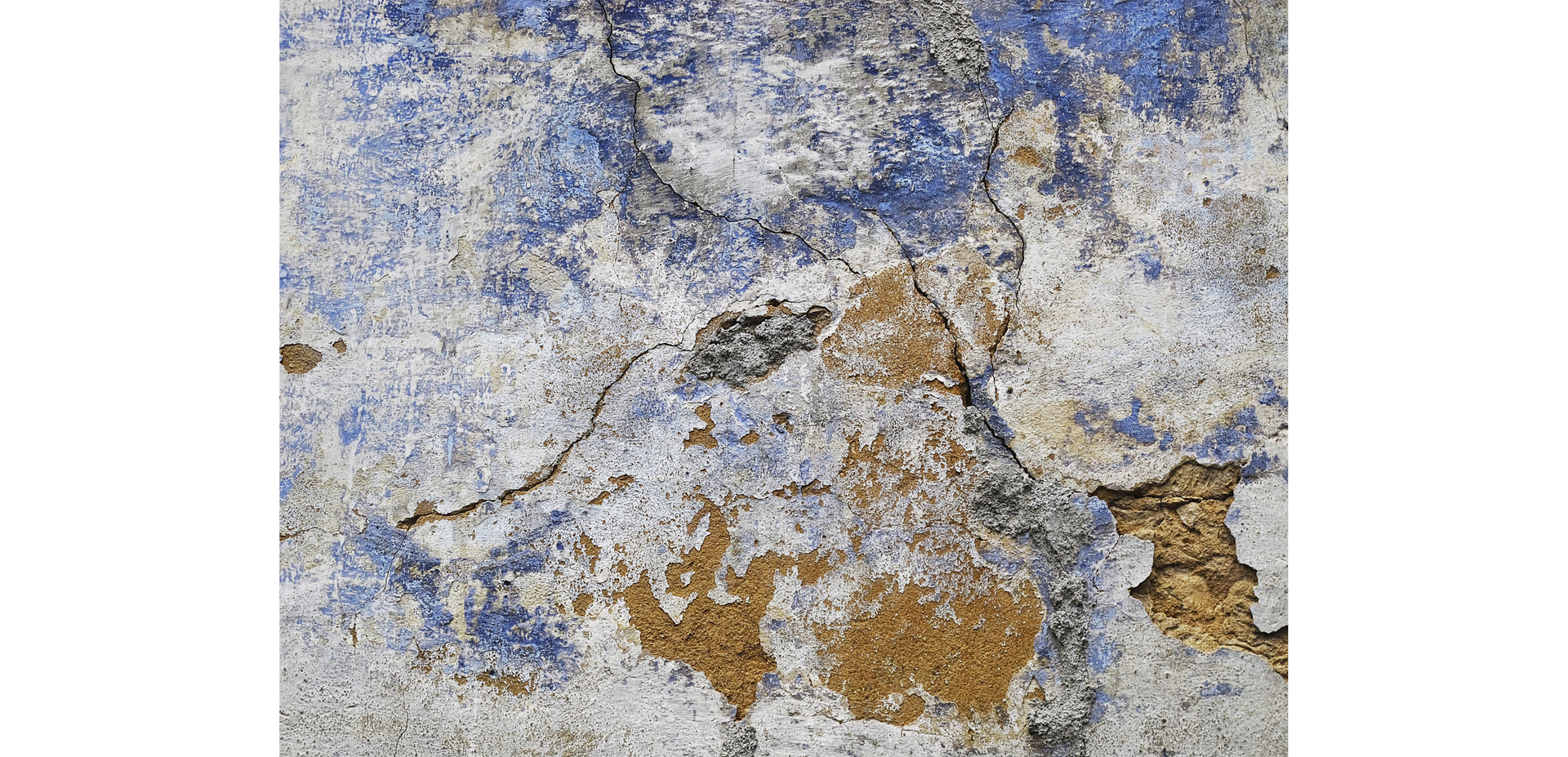
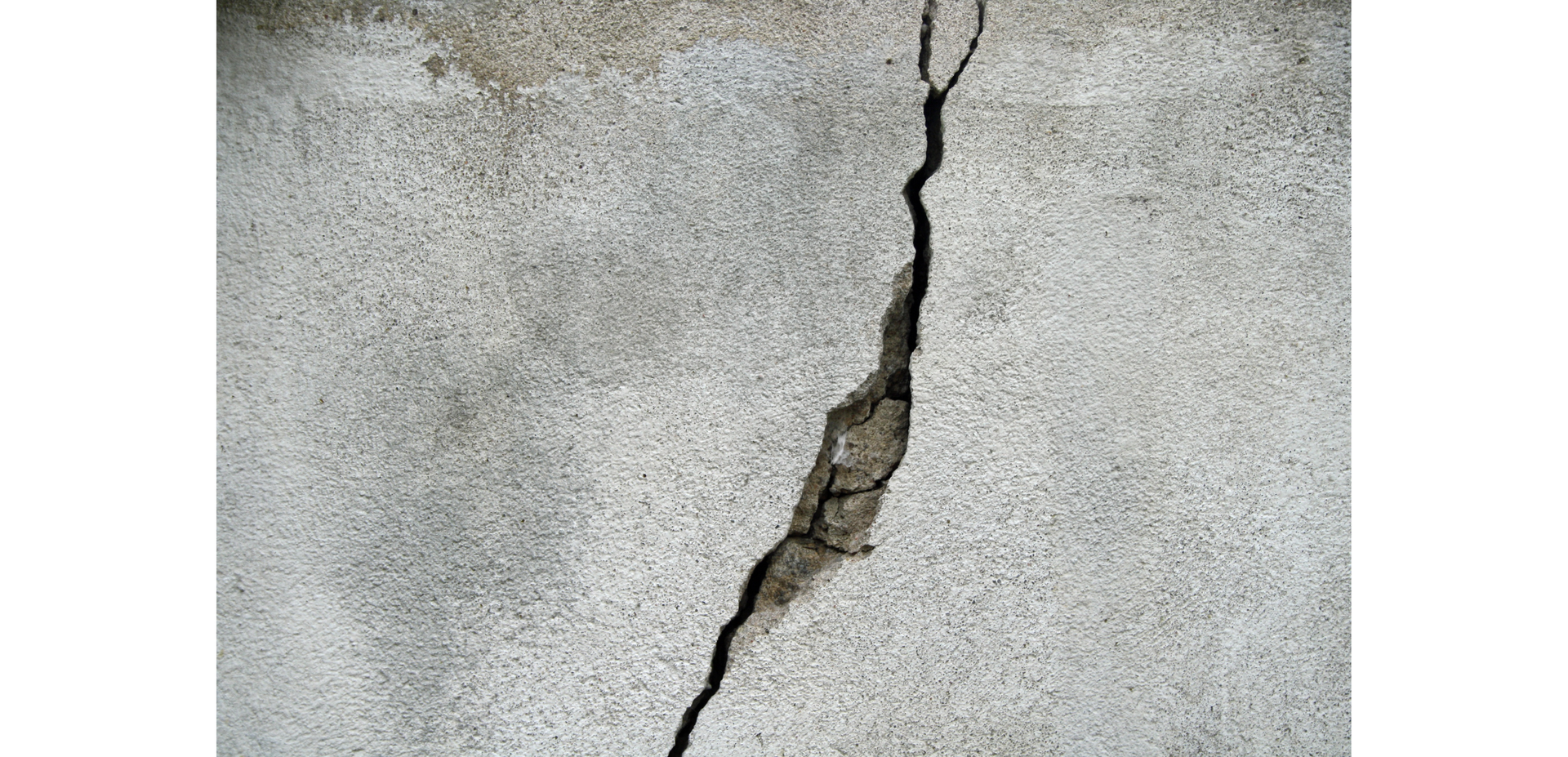
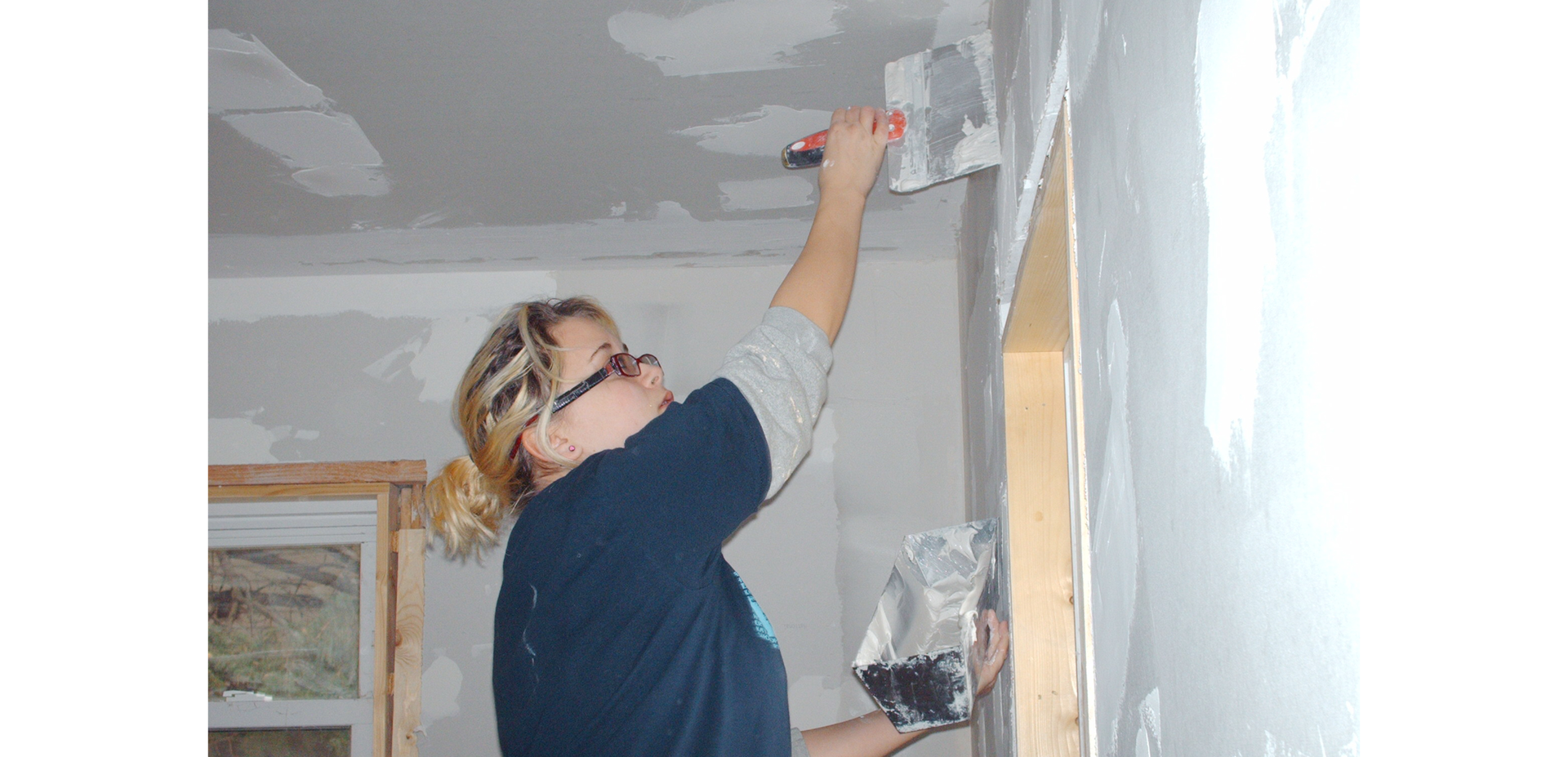
Match the Polish phrases with their English equivalents.Połącz polskie wyrażenia z ich angielskimi odpowiednikami.
pęknięcia muru, zamakanie tynku, nacinanie tynku, szpachlowanie, rysy, obsypywanie się tynku, mycie ścian, tynki zabytkowe, ocena tynku
| historical plasters | |
| filling | |
| wall cracks | |
| cracks | |
| plaster dampening | |
| falling off of plaster | |
| plaster cutting | |
| plaster evaluation | |
| wall washing |
Mark the correct answer.Zaznacz prawidłową odpowiedź.
| Prawda | Fałsz | |
| The first stage of the renovation works is the evaluation of the walls. | □ | □ |
| It does not matter what material the plasters are made of. | □ | □ |
| It is irrelevant whether renovations are subjected to plasters of modern or historical buildings. | □ | □ |
| A mesh should be applied to all scratches. | □ | □ |
| Cracks in the wall are made for various reasons and they are of various types. | □ | □ |
| After washing, the specialist cuts the wall in a suitable way and on this basis checks the degree of binding of the paint to the ground. | □ | □ |
| After all repairs, the plaster should be filled to give the old and new fragments a uniform look. | □ | □ |
| The smallest problems are caused by wall cracks. | □ | □ |
| There is no renovation of historical plasters. | □ | □ |
Uszkodzenia i wady tynków
Complete the text using the following words.Uzupełnij tekst, korzystają z poniższych słów.
Cracks, Plastering, Structural, dampness, aggregate, primers, flexibility, cleaning, plaster, preparations
1. ........................ cracks are a characteristic mesh of surface cracks. (tynkarski)
2. Plastering cracks are usually repaired with paint characterised by increased ........................ . (elastyczność)
3. ........................ are usually wider than plastering scratches. (pęknięcia)
4. ........................ cracks appear most frequently after a couple of years. (konstrukcyjne)
5. Dusting is the consequence of the poor binding of the ........................ . (kruszywa)
6. Dusting plasters are covered with ........................ which ensure the reinforcement of their surface. (preparaty gruntowe)
7. Plaster scaling is a local loosening of ........................ . (tynk)
8. The cause of development of microorganisms is usually the excessive ........................ . (zawilgocenie)
9. Such biofilm must be removed with finished ........................ . (preparaty)
10. After ........................ the facade dried walls can be painted. (umycie)
Organizowanie robót związanych z renowacją tynków

Film dostępny pod adresem /preview/resource/RgibFhD75ZTUd
Organizowanie robót związanych z renowacją tynków
Put in the correct order the work stages related to the renovation of plasters. Ułóż we właściwej kolejności etapy prac związanych z renowacją tynków.
- Evaluation of the condition of plaster.
- Filling scratches and cracks.
- Drying up the plaster.
- Protecting the plaster against adverse external factors impact.
- The repair of losses which occurred at the stage of use of the building.
- Priming the plaster.
- Removing scaling and cleaning scratches.
- Painting the plaster with appropriate paint.
- Preparation for renovation – plaster washing.
After watching the film, mark the correct answer.Po obejrzeniu filmu, zaznacz prawidłową odpowiedź.
| Prawda | Fałsz | |
| The first stage of the works is the evaluation of the the condition of plaster. | □ | □ |
| Plaster washing is the renovation stag which can be skipped. | □ | □ |
| Walls with visible biofilm should be cleaned with a brush. | □ | □ |
| To remove the microorganisms (e.g. biofilm) no preparations should be used. | □ | □ |
| In the case of renovation work, be gentle so as not to enter the back. | □ | □ |
| All the losses appeared during plaster renovation preparation should be filled. | □ | □ |
| Primers are only used during the first lying of plasters. | □ | □ |
| Plaster painting is one of the final stages of renovation works. | □ | □ |
| Always choose the right paint for painting plaster. | □ | □ |
| After renovation external factors do not affect the new plaster. | □ | □ |
Zadania
Choose the correct option from the drop-down menu. Wybierz poprawną odpowiedź z listy.
their, their, theirs, my, yours, our, Their, your, ours, theirs, his, he, , Theirs, mine, ours, our
1. You can use ............ brush.
2. Use ............ wall drying machine for better drying.
3. They own the sand paper. It is ............ .
4. Can you use ............ mortar?
5. ............ new brick is unavailable on the market.
6. These brushes are ............ .
7. Can I take a look at ............ walls, please?
8. I wish to talk to ............ renovation works.
Read the sentences and complete them with the correct forms of the words in brackets. Przeczytaj zdania i uzupełnij je poprawnymi formami rzeczowników w nawiasach.
1. I believe that the brick is .............. than the previous one. (thick)
2. The oils are ............ in this container. (good)
3. It is ............ to put some stone bindersthan anything else. (easy)
4. The stone cladding is the ............ in the country. (good)
5. They should be ................................ during the renovation. (cooperative)
6. What is the length of this wall .............. ? (exact)
7. The primer is the ................ one to use. (cheap)
8. It is advised to put the waterproofing agent ................ . (proper)
Drag and drop.Przeciągnij brakujące elementy z sekcji dolnej do górnych.
<span lang="en">twelve</span>, <span lang="en">nineteen</span>, <span lang="en">eleven</span>, <span lang="en">second</span>, <span lang="en">three</span>, <span lang="en">two</span>, <span lang="en">forty-eight</span>, <span lang="en">fourth</span>, <span lang="en">fifty-five</span>, <span lang="en">forty-eighth</span>, <span lang="en">fifty-fifth</span>, <span lang="en">first</span>, <span lang="en">four</span>, <span lang="en">ninth</span>, <span lang="en">third</span>, <span lang="en">eleventh</span>, <span lang="en">nine</span>, <span lang="en">five</span>, <span lang="en">nineteenth</span>, <span lang="en">twelfth</span>, <span lang="en">one</span>, <span lang="en">fifth</span>
| Cardinal numbers | |
|---|---|
| Ordinal numbers |
Read the sentences and complete them with the correct forms of the verbs in brackets. Przeczytaj zdania i uzupełnij je poprawnymi formami czasowników w nawiasach.
1. A week ago they .............. conservation works. (start)
2. The foreman ............ me an order for installing stone cladding. (gave)
3. The inspection of the deformations was .................. on February 3. (announce)
4. We have just ............ new stains. (find)
5. I ............ to use oil paints for this room. (have)
6. Our company ............ with hydrofluoric acid leak problem. (deal)
7. He was ................ in a conservation office. (employ)
8. We .............. the renovation works last week. (inspect)
Put the words in each line (1-8) in the correct order so that they form sentences. Ułóż słowa w odpowiedniej kolejności tak, aby powstały zdania.
1. must / conservation / the / You / works / report. / prepare
..............................................................................................
2. can / stone / work / You / or / cladding. / on / ceramic
....................................................................................
3. wall / You / reinforcement. / on / substrate / or / will / reinforcement / work
..............................................................................................................................
4. is / the / peeling / more / This / than / swelling. / dangerous
..................................................................................................
5. can / give / me / You / a / call. / email / or / me
........................................................................
6. me / pass / brush / Please / the / I / will / and / clean / gap. / the
......................................................................................................
7. strong, / the / Damaging / even / are / mortar / is / stronger. / factors / destruction
..........................................................................................................................................
8. often / takes / drying / lot / time / Masoning / but / takes / longer. / walls / of / a / the
............................................................................................................................................
Słownik
/əbˈzɔːb/ [verb] chłonąć
/ədˈhiː.ʒən/ [noun, uncountable] przyczepność
/ˈæl.ɡiː/ [noun, uncountable] algi
/brʌʃ/ [noun, countable] szczotka
/ˈkrʌm.bəling/ [verb] odsypywanie się tynku
/dɜːt/ [noun, uncountable] brud
/dʌstin/ [noun, uncountable] pylenie
/fəˈsɑːd/ peɪnt/ [noun, uncountable] farba elewacyjna
/ɡæp/ [noun, countable] szczelina
/hɪˈstɒrɪkəl bɪldɪŋz/ [noun, countable] tynki zabytkowe
/ˈlevəlin leɪər/ [noun, countable] warstwa wyrównująca
/mɒs/ [noun, uncountable] mech
/məʊld/ [noun, uncountable] pleśń
/peɪnt /tʃɪpin/ [verb] odpryskiwanie farby
/peɪnt leɪər/ [noun, countable] warstwa farby
/ˈplɑːstər əbˈzɔːp.ʃən/ [verb] chłonność tynku
/ˈplɑːstər ˈkʌtɪŋ/ [verb] nacinanie tynku
/ˈplɑːstər ˈdæmpən/ [verb] zamykanie tynku
/ˈplɑːstər ɪˌvæljuˈeɪʃən/ [noun, uncountable] ocena tynku
/ˈpraɪ.mɚ/ [noun, uncountable] preparat gruntujący
/ˈpraɪ.ming/ [verb] gruntowanie
/ˌrenəˈveɪʃən/ [noun, uncountable] renowacja
/rɪˈpeər/ [noun, countable] naprawa
/saɪz ɒv skrætʃ/ [noun, uncountable] wielkość rys
/streŋtheta/ [noun, uncountable] wytrzymałość
/thetaɪk/ ɡæps/ [noun, countable] grube szczeliny
/wɔːl/ [noun, countable] sciana
/wɔːl kræks/ [noun, countable] pękniecia muru
/wɔːl ˈwɒʃ.ɪŋ/ [verb] mycie ścian
/ˈwɔː.tə.pruːf in ˈeɪ.dʒənt/ [noun, uncountable] preparat hydrofobizujący