Poles in exile. Foot voting
to explain the reasons why Poles left their homeland;
to characterize the directions of emigrationemigration of Poles and its largest centers;
about the examples of the lives of emigrantsemigrants;
to explain the meaning of “foot votingfoot voting”.
During the partitions several million Poles left their homeland permanently. Some fled for political reasons, fearing repression after the lost national uprisings. However, most of them left the country for economic reasons, because of poverty and hunger, in order to seek a better life in foreign lands. The main directions of emigration were the United States of America, the western part of Germany, France, Brazil and deportations to the depths of Russia.
Match immigrants from the old days with their places of origin and settlement.
Ancient Greek, Ancient Roman, Englishman, Medieval knight, Spanishman
| Figure | Period of life | Place of birth | Place of emigration |
|---|---|---|---|
| Ancient Greek | |||
| Ancient Roman | |||
| Englishman | |||
| Medieval knight | |||
| Spanishman |
Read the texts from the table to find out the reasons why people emigrated. Next, indicate what characterizes individual migrants. More than one answer can be matched to each migrant.
| Migrant's statement | Emigrated of his own free will | Emigrated by force | Emigrated for economic reasons | Emigrated for political reasons |
| I had no chance to find a job where I lived, my family was threatened with hunger! | □ | □ | □ | □ |
| I learned that it is easy to find a job in mines in Germany. And those wages! | □ | □ | □ | □ |
| After the fall of the uprising I was threatened with imprisonment. I had to move to France. | □ | □ | □ | □ |
| After the fall of the uprising the tsarist authorities sentenced me to deportation to Siberia. I had no choice, although I don’t like it here at all. | □ | □ | □ | □ |
| My cousin arranged me a job in the USA and even sent me the tickets for the ship to New York, so I went there. It’s great! | □ | □ | □ | □ |
| Since I was not able to conduct business in Warsaw, I went to Switzerland and here I publish a Polish newspaper. But I miss my home, garden, street. | □ | □ | □ | □ |
Complete the diagram by placing factors in the right place.
difficulties in providing for oneself and one's family, political persecutions, relatives or friends who have already left and who have succeeded, lack of hope for an improvement in the situation in the country, general poverty, low wages, plenty of jobs, ease of getting employed, thriving Polish institutions, high wages, freedom of speech, press, lack of censorship
| push factors | |
|---|---|
| pull factors |

Country | Number of Polish immigrants |
Canada | 60 thousand |
USA | 2 million |
Brasil | 100 thousand |
Germany | 300 thousand |
France | 35 thousand |
Denmark | 7 thousand |
Belgium | 3 thousand |
Switzerland | 5 thousand |
Russia | 500 thousand |
Where did Poles emigrate to?
- Switzerland
- Russia
- Sweden
- Czech Republic
- Germany
- France
- USA
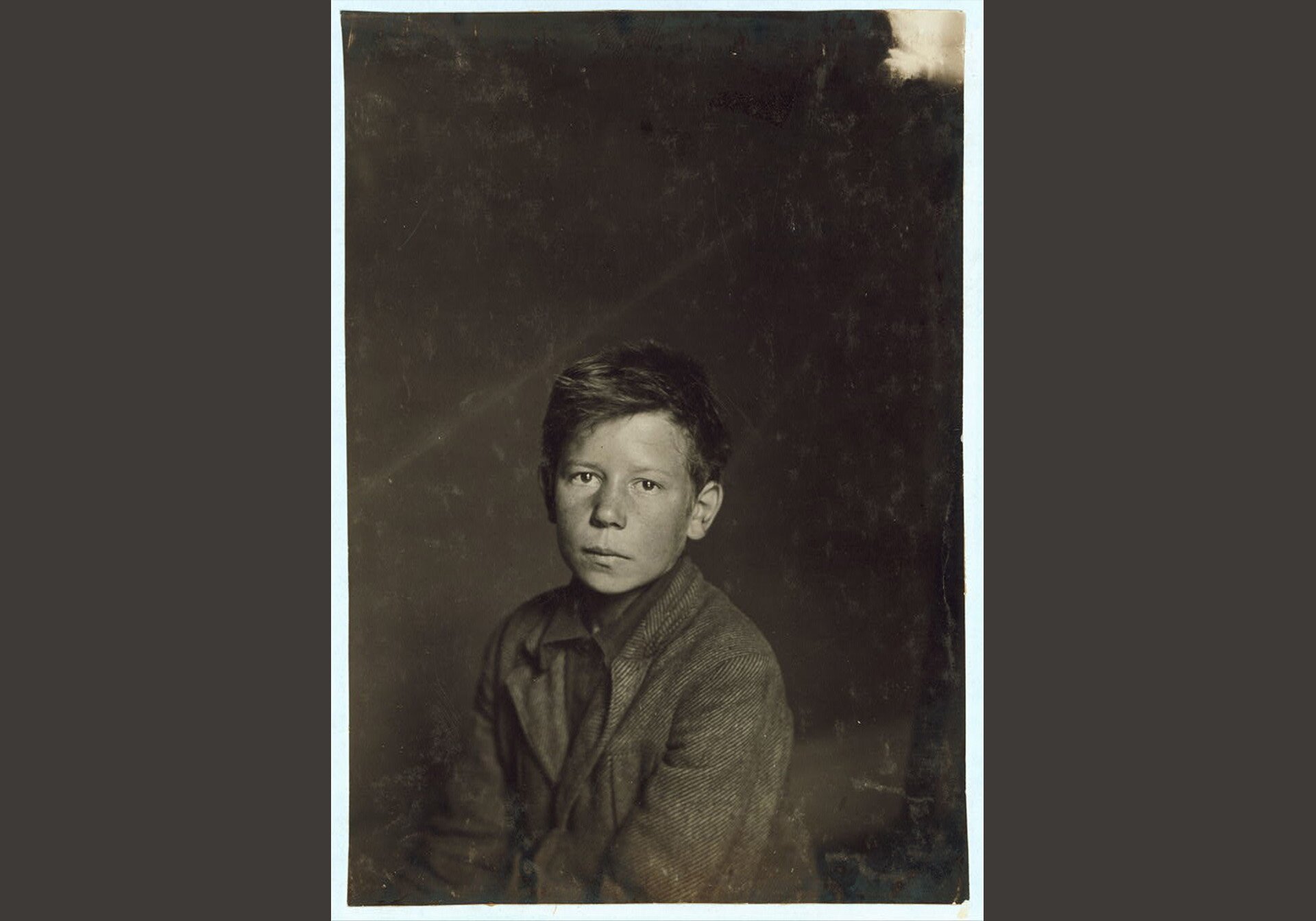
Familiarize yourself with the illustration and learn more about the emigration to the US.
Below you will find the accounts of immigrants, mainly from North and South America. Mark those that concern the positive aspects of life in exile, and those concerning negative aspects.
{negative aspects}‘Endless streets, filth beyond imagination, houses black with smoke, with a mass of dust, soot and ash hanging above, unpaved streets, alleyways straight from some backwards town in Poland, heavy air that leaves you breathless.’{/negative aspects}
{negative aspects}‘The worst time was Christmas Day. You have no wafer-sharing here, no family; it is so hot and flies are so bothersome that you can’t believe it’s Christmas.’{/negative aspects}
{positive aspects}‘Although I don’t earn much, I have been and still am living a better life than back there in the old country.’{/positive aspects}
{positive aspects}‘My colleagues are Poles, my landlord is a Pole, on Sunday I listen to Mass in Polish, I read Polish newspapers and even buy food at a grocer’s run by my compatriot.’{/positive aspects}
{positive aspects}‘Filomencia sent me a photograph: a lady in a hat with big feathers, finely dressed.’{/positive aspects}
{negative aspects}‘In an enormous room, some 500-odd families were lying on bare floor; the air was indescribable. Those who could were clinging to the wall at least to have something to rest their heads against.’{/negative aspects}
{positive aspects}‘Dearest Sister, I will send you a szyfkarta [ship ticket] if you want one so that you can come here with your brother. You’ve been a servant since you were little and you will be one until your old days, but this is an opportunity for you. I think that you should come to America, as you can make it much faster here than back in the old country.’{/positive aspects}
{negative aspects}‘I’ve been praying so hard for the Holy Mother of God to dry this great sea. Then, I could go back on foot to my hometown near the city of Przemyśl.’{/negative aspects}




Write your conclusions down in three sentences.
Basing on the knowledge you learned during the lesson, tick the true statements.
- Emigration is a new phenomenon, which emerged in the 19th century.
- The Great Emigration was the emigration of Poles after the fall of the November Uprising.
- Foot voting is a way to express one’s will through loud stumping.
- As a result of katorga and deportations, several hundred thousand Poles were exiled by force to the eastern borders of the Russian Empire.
- The main direction of Polish emigration in the 19th century was Sweden, Spain and Portugal.
- Until the outbreak of World War I in 1914, at least 2 million Poles emigrated to the United States from Poland.
- Political emigrants are people who have become involved in political activities in the countries in which they have arrived.
- At the beginning of the 20th century, Chicago was the third largest "Polish city" due to the large number of Poles living there.
Keywords
emigration, Poles
Glossary
emigracja – wyjazd, opuszczenie kraju na dłuższy czas lub na stałe, może być dobrowolna lub przymusowa.
głosowanie – metoda podejmowania decyzji, w której uczestnicy oddają swój głos na kandydata lub decyzję.
głosowanie nogami – opuszczenie miejsca, w którym nie czujemy się dobrze, i wybranie takiego, które będzie lepsze dla naszej przyszłości.
migrant – osoba zmieniająca miejsce swojego pobytu.
prześladowania – represje i niedogodności wymierzane osobom o innych poglądach, wierze. Często kończą się śmiercią lub brakiem możliwości normalnego życia.