Prezentacja multimedialna
The picture below shows a copyright symbol. Did you know that it used to be written as (C) because the © symbol was not available on a typewriter and the first types of computers? There are some other symbols connected to intellectual property protection, and you are going to learn about them from the presentation in this section.
Poniższa ilustracja przedstawia symbol prawa autorskiego. Czy wiesz, że kiedyś był on zapisywany jako (C), ponieważ symbol © nie był dostępny na maszynie do pisania ani nie było go na klawiaturach pierwszych komputerów? Są jeszcze inne symbole związane z ochroną własności intelektualnej, o których dowiesz się z prezentacji w tej sekcji.
Now go to the presentation and do the exercises below.
Who is a copyright owner?
Film dostępny pod adresem /preview/resource/Rg6Xjav335o2l
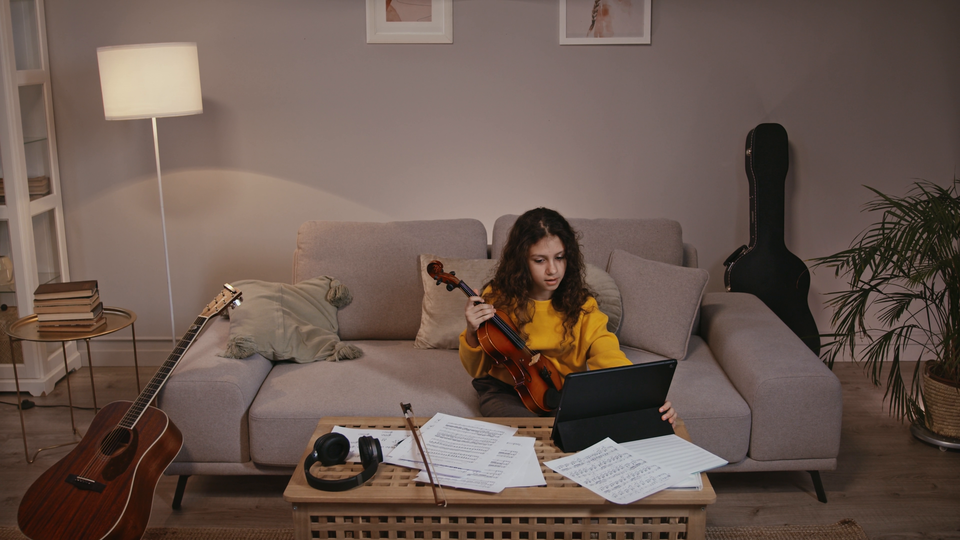
Krótki filmik pokazuje dziewczynkę siedzącą na kanapie i łączącą się z kimś przez tablet stojący na stoliku przed nią. Dziewczynka uczy się gry na instrumentach. W rękach trzyma skrzypce, na lewo od kanapy znajduje się gitara, a na prawo od kanapy futerał na gitarę. Na stoliku leżą kartki z nutami, smyczek oraz duże nauszne słuchawki.
We are all copyright owners. When we create something original, like a poem, a song, or even a blog entry, and we publish it, we become the authors and the owners.
Two kinds of property rights
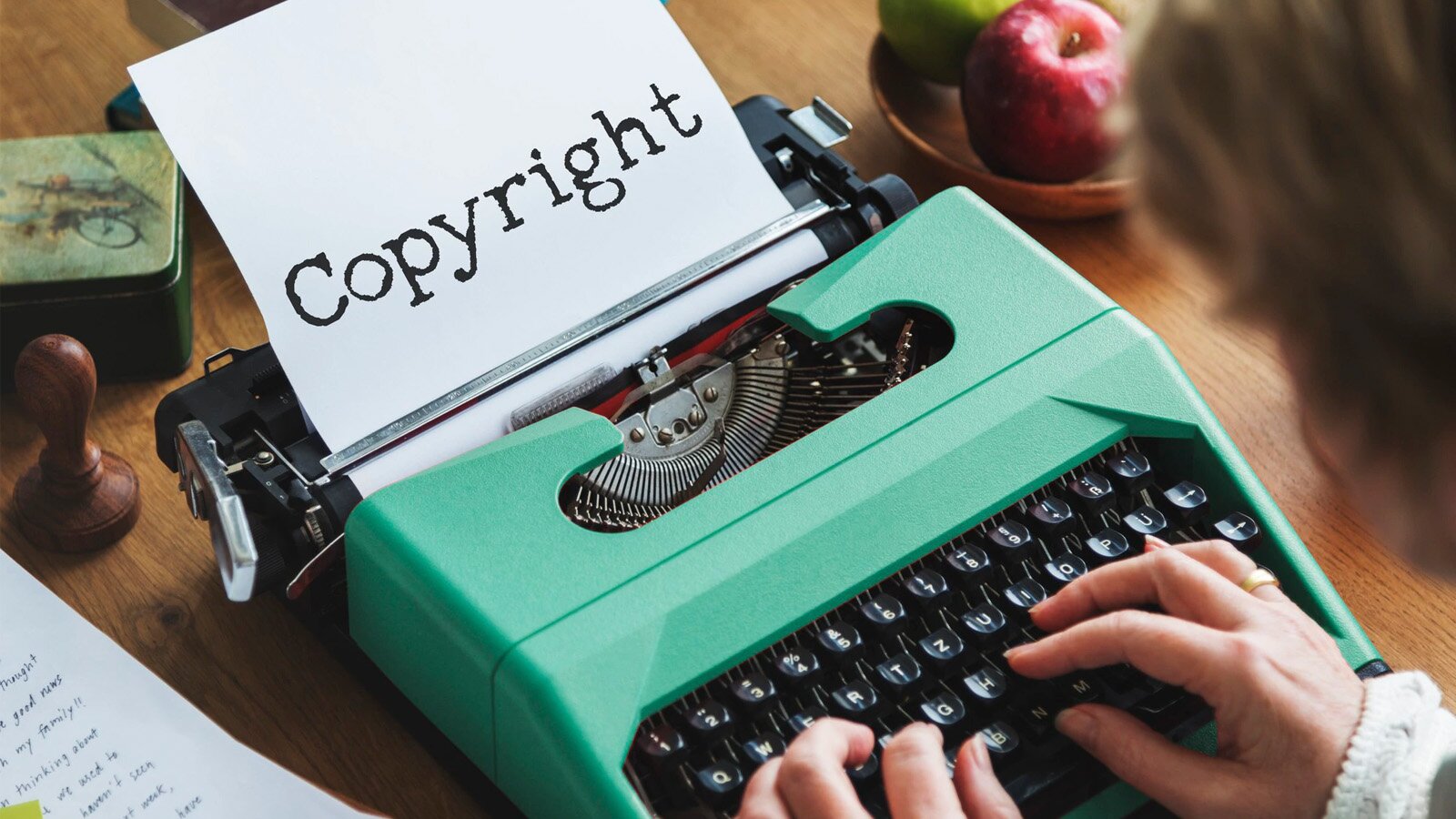
A copyright consists of two types of rights: economic and moral rights. The economic rights refer to reproducing, selling, renting, distributing, translating, and communicating to the public, so thanks to them right owners can derive financial reward when others use their works. The moral rights include the right to claim authorship (the so‑called right of attribution), and the right to object to any distortion or modification of a work, which enables authors and creators to take certain actions as a form of protection of their work.
Legal acts
Film dostępny pod adresem /preview/resource/R1DFcVdQvDxZA
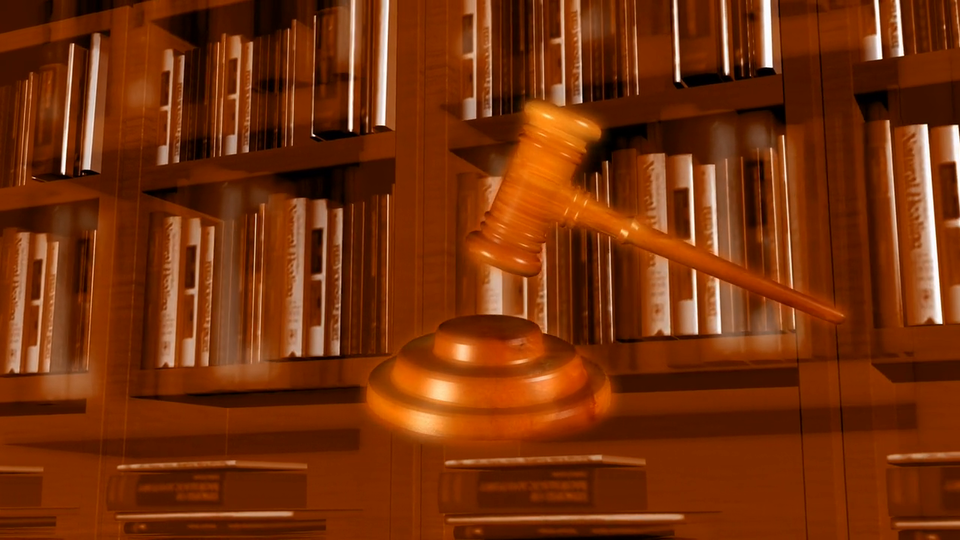
Krótka animacja pokazuje młotek sędziowski uniesiony i gotowy do uderzenia w specjalny blok, co jest symbolem wydania przez sędziego decyzji. Oba przedmioty kręcą się w kółko i są ukazane na tle przesuwających się regałów z książkami prawniczymi.
There are several important legal acts concerning copyright. DMCA, that is Digital Millennium Copyright Act, is a 1998 United States copyright law that forbids the creation and distribution of technology which infringes copyright. It is mostly connected to the DMCA Takedown, which deals with removing illegally hosted content on websites. In Poland, the most important legal acts concerning copyright are: the Copyright Act and the Industrial Property Act.
Licences
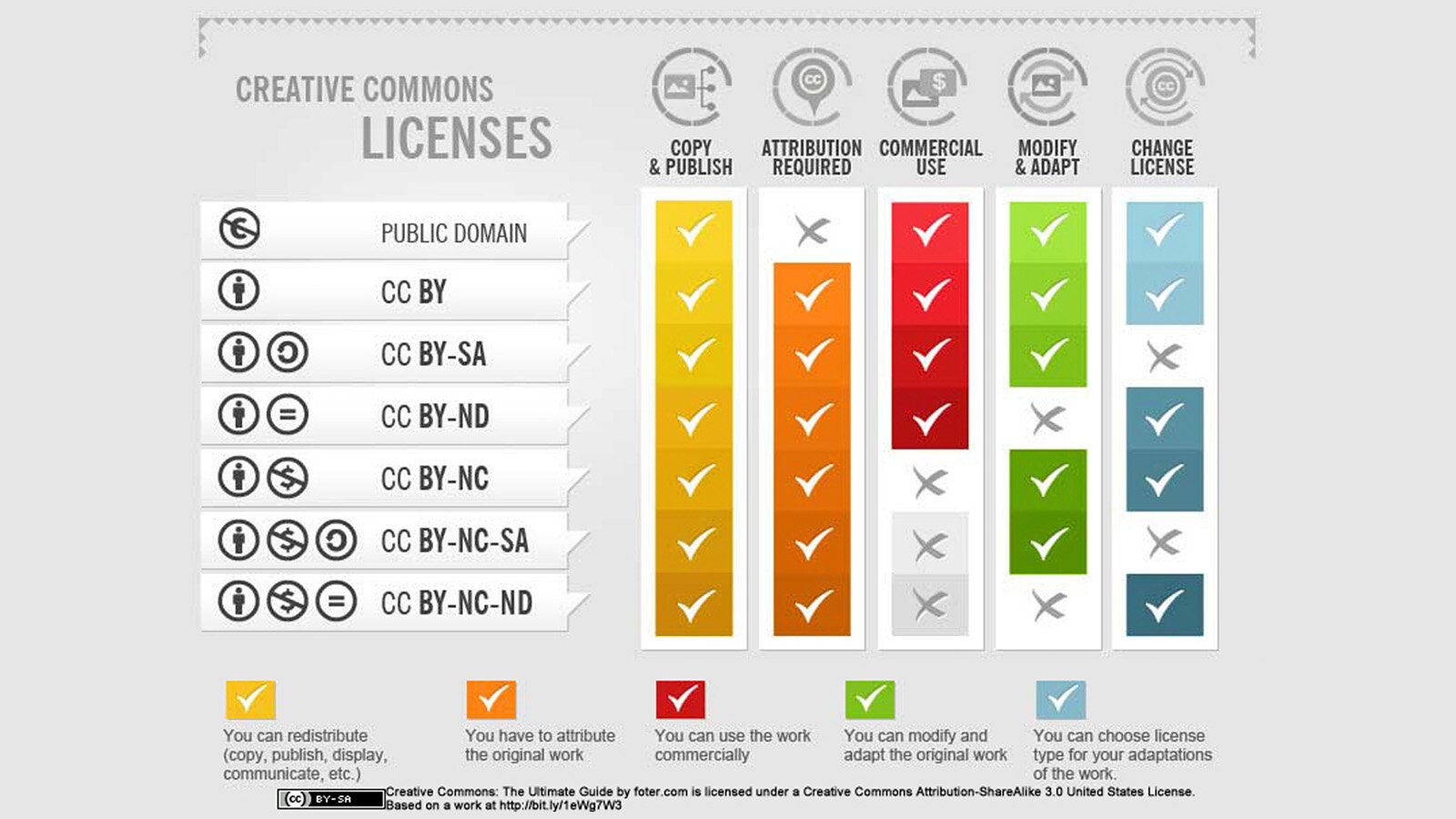
Licences are in other words agreements to use a work. There are many works online with readily available licences allowing their further use. Some of these licences need to be paid for, others are given free of charge by the creator. This first type of licence is called proprietary rights, and they have a strictly defined scope of permitted use (for example ShutterStock), whereas the second type is free licences and they can be used for any use, even commercial (for example Wikipedia).
Copyright symbols
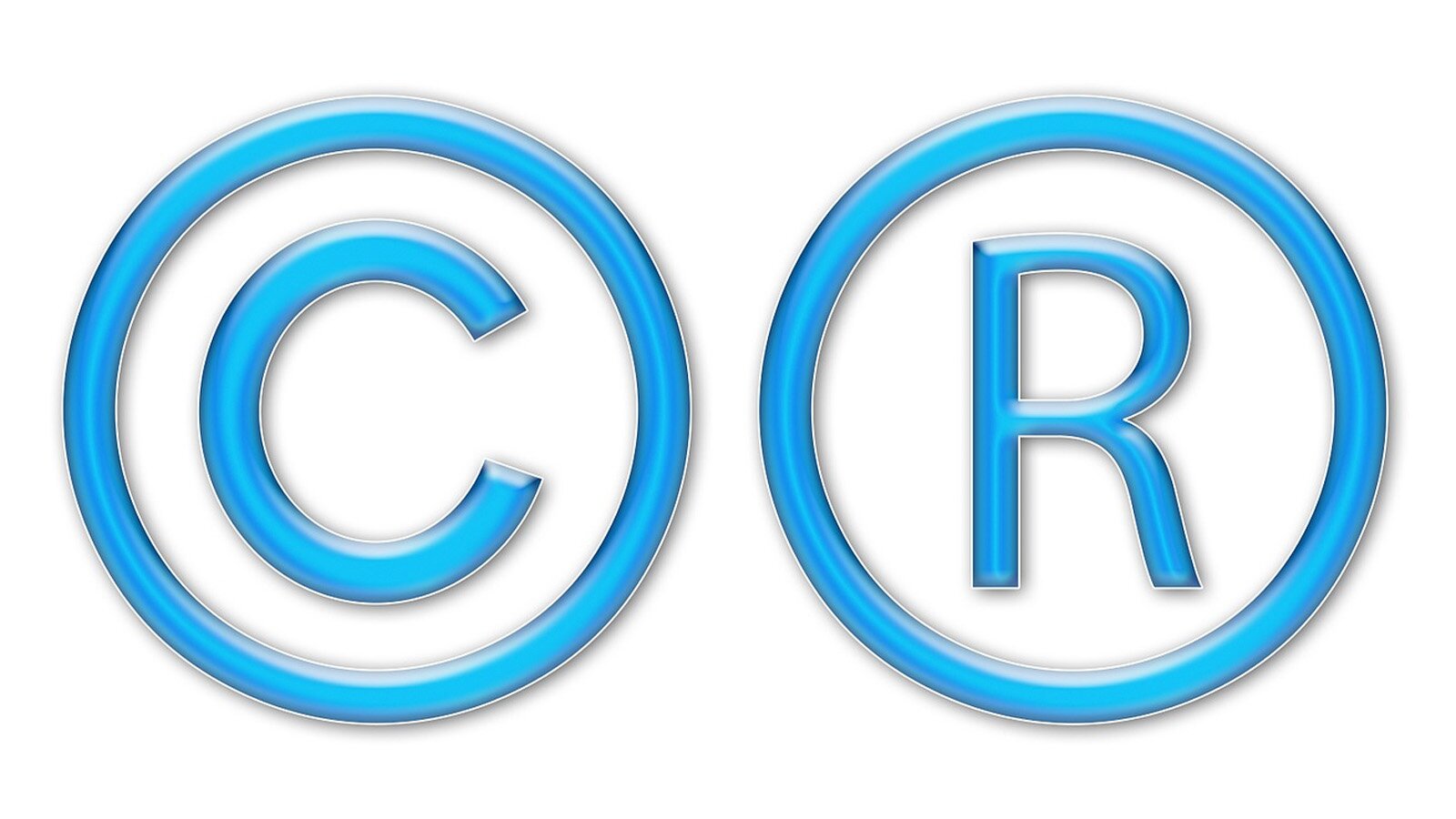
Basically, there are two symbols which are used to show copyright: © which can be applied to most works, and ℗ which refers to a sound recording, so it’s a phonorecord, phonogram, or phonographic copyright symbol. There is also the ® symbol, which means that the brand or logo is protected by the U.S. Patent and Trademark Office.
Copyright vs. Trademark and Patent
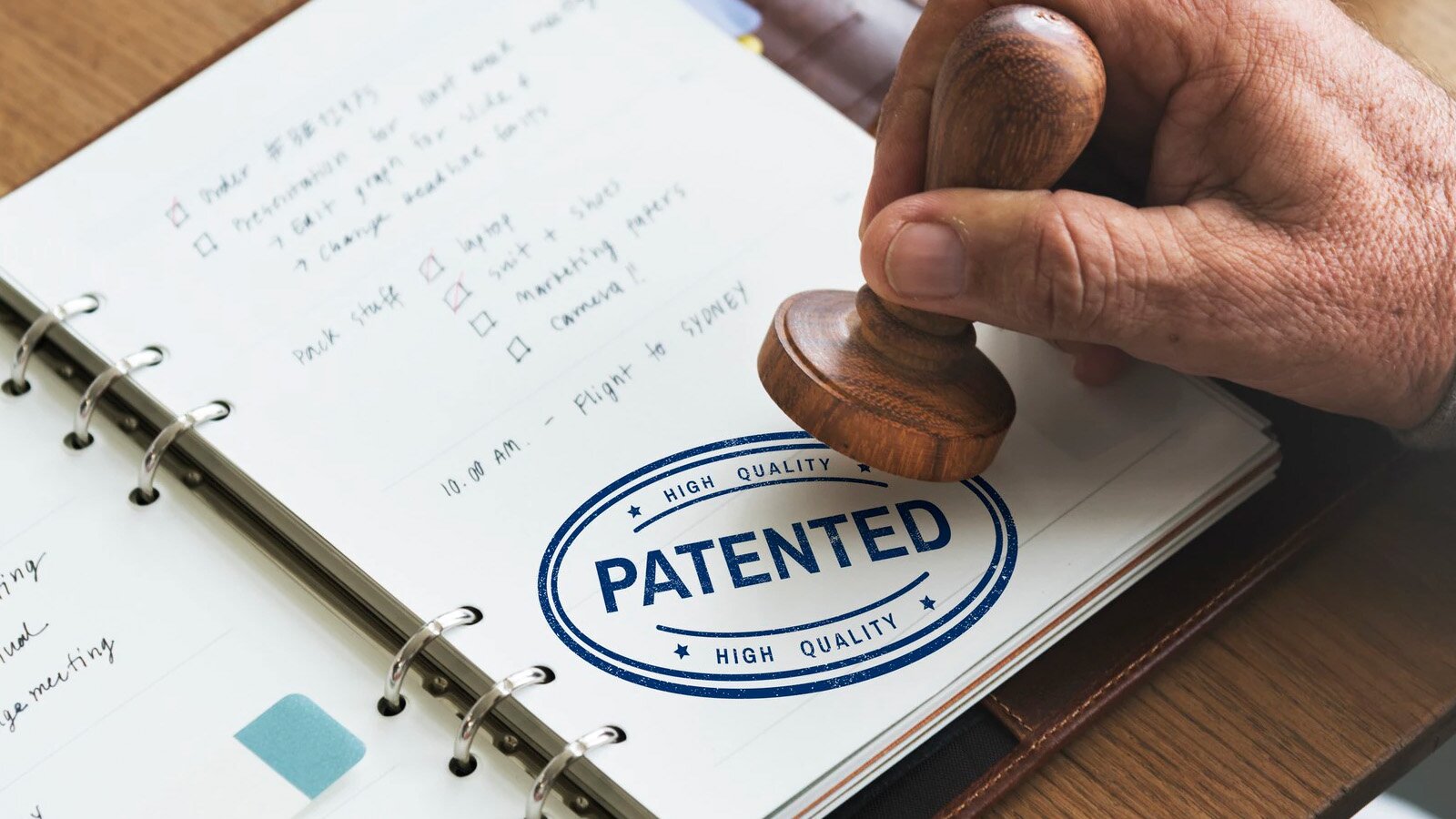
Copyrights, trademarks, and patents are often used interchangeably, but they protect intellectual property in different ways. Trademark law protects words, names, symbols, or devices used in trade with goods or services to show the source of the goods and to distinguish them from the goods and services of others. Patents are granted by the government and they protect products like industrial processes, inventions, or machines. Copyright protects original works of authorship like writings, music, architecture, or art.
Infringement situations
Sometimes you may unintentionally violate copyright laws. Be careful, because you could be liable for infringement even if: you only resized or altered an image, you found the image on the internet, you used a disclaimer when posting a copyrighted text and images, you didn’t know you were infringing, you used the exact words of some text which can be found on the internet, or you didn’t benefit financially from the image or text.
Penalties
If you used someone else’s copyrighted work without permission and financially profited from that use, you may have to pay the author monetary damages, and the court will probably order you to stop the further use of the material or immediately destroy any infringing copies, and of course to apologise. Also, be prepared to give the rightful owner your profits as restitution.
Personal use
Personal use is one of the fair use situations, when we can use copyrighted work without having to ask for the author’s permission. Anyone can copy such a work for their own use and to share with family or friends. There are three conditions to meet: it must not involve any exchange of money, you must not directly or indirectly benefit from it financially, and the use must not promote any business or organisation.
Fair educational use

Fair use explicitly allows the use of copyrighted materials for educational purposes. Teachers are allowed to show an entire film to students or hand out copies of a whole chapter of a book they want to discuss in class. For the same reason coursebooks may include some portions of other people’s works which can’t be used in other books intended for general public use.
2. Under the unfair use you are not allowed to 1. disclaimer, 2. proprietary rights, 3. derive financial reward, 4. alter an image, 5. aligned with, 6. restitution, 7. liable for infringement, 8. moral rights from copying or sharing copyrighted content.
3. Are our legal regulations 1. disclaimer, 2. proprietary rights, 3. derive financial reward, 4. alter an image, 5. aligned with, 6. restitution, 7. liable for infringement, 8. moral rights the international copyright law?
4. I am sure you should include a 1. disclaimer, 2. proprietary rights, 3. derive financial reward, 4. alter an image, 5. aligned with, 6. restitution, 7. liable for infringement, 8. moral rights about the source of this image.
5. The author may transfer his or her 1. disclaimer, 2. proprietary rights, 3. derive financial reward, 4. alter an image, 5. aligned with, 6. restitution, 7. liable for infringement, 8. moral rights to a third party.
6. They had to pay him some money as a form of 1. disclaimer, 2. proprietary rights, 3. derive financial reward, 4. alter an image, 5. aligned with, 6. restitution, 7. liable for infringement, 8. moral rights.
7. You are 1. disclaimer, 2. proprietary rights, 3. derive financial reward, 4. alter an image, 5. aligned with, 6. restitution, 7. liable for infringement, 8. moral rights even if you violated somebody’s copyrights unintentionally.
Answer the questions using 2–3 sentences.
Which information do you think might be interesting for your friends and why?
Do you think that most people infringe on someone’s work unintentionally? Why? Why not?
What kind of copyrighted works do you copy for your private use?