In this section you are going to learn about the specific activities of the slow food network: those designed at preserving the knowledge about food but also those that relate to a harmonious relation between individuals, food and our planet. If you want to learn more about the projects in the Slow Food movement, here is the presentation!
W tej sekcji zapoznasz się z kolejnymi inicjatywami organizacji Slow Food, nie tylko tymi, które skoncentrowane są na wiedzy o konsumpcji, lecz także takimi, które skupione są na harmonijnej korelacji między człowiekiem, naszą planetą i żywieniem. Jeśli chcesz dowiedzieć się więcej na temat projektów w ruchu Slow Food, poniższa prezentacja ci w tym pomoże!
R1NXITPIWbxYY
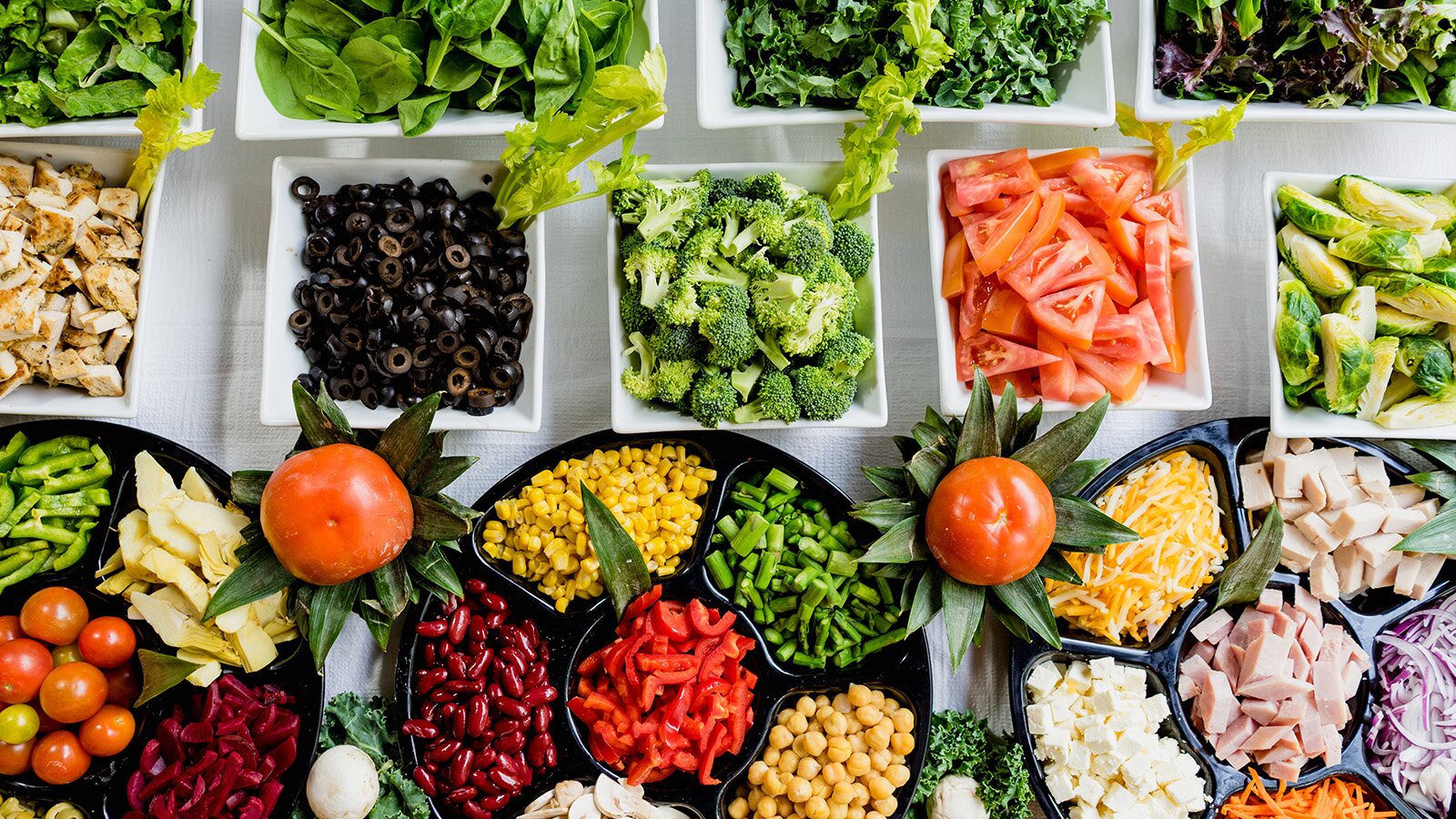
Zdjęcie przedstawia różne warzywa, ziarna, sery i wędliny w białych miseczkach i na czarnych talerzach z przegródkami, które ustawione są obok siebie. Widoczne są między innymi: małe czerwone pomidorki, różyczki brokuła, pokrojone czarne oliwki, cząstki pomidorów i brukselki, pokrojone w kostkę sery i wędliny, liście sałaty i szpinaku.
Slow food also means simple ingredients
Slow food oznacza również proste składniki
Źródło: dostępny w internecie: www.unsplash.com [dostęp 16.02.2022], domena publiczna.
Exercise1
R19UovOhH4rOe
Drag and drop the following expressions to match concepts connected to Slow Food with their definitions. taste education Możliwe odpowiedzi: 1. the approach to food preparation that considers the sustainability of a food source, 2. food characteristic of a certain place, 3. an approach to food preparation that minimises the amount of rubbish, 4. an attempt to expose people to unfamiliar foods, 5. practices connected to food preparation specific to a given region, 6. a period you spend with someone without getting distracted by other matters, 7. a list of endangered regional foods regional food Możliwe odpowiedzi: 1. the approach to food preparation that considers the sustainability of a food source, 2. food characteristic of a certain place, 3. an approach to food preparation that minimises the amount of rubbish, 4. an attempt to expose people to unfamiliar foods, 5. practices connected to food preparation specific to a given region, 6. a period you spend with someone without getting distracted by other matters, 7. a list of endangered regional foods culinary tradition Możliwe odpowiedzi: 1. the approach to food preparation that considers the sustainability of a food source, 2. food characteristic of a certain place, 3. an approach to food preparation that minimises the amount of rubbish, 4. an attempt to expose people to unfamiliar foods, 5. practices connected to food preparation specific to a given region, 6. a period you spend with someone without getting distracted by other matters, 7. a list of endangered regional foods eco gastronomy Możliwe odpowiedzi: 1. the approach to food preparation that considers the sustainability of a food source, 2. food characteristic of a certain place, 3. an approach to food preparation that minimises the amount of rubbish, 4. an attempt to expose people to unfamiliar foods, 5. practices connected to food preparation specific to a given region, 6. a period you spend with someone without getting distracted by other matters, 7. a list of endangered regional foods Ark of Taste Możliwe odpowiedzi: 1. the approach to food preparation that considers the sustainability of a food source, 2. food characteristic of a certain place, 3. an approach to food preparation that minimises the amount of rubbish, 4. an attempt to expose people to unfamiliar foods, 5. practices connected to food preparation specific to a given region, 6. a period you spend with someone without getting distracted by other matters, 7. a list of endangered regional foods low-waste Możliwe odpowiedzi: 1. the approach to food preparation that considers the sustainability of a food source, 2. food characteristic of a certain place, 3. an approach to food preparation that minimises the amount of rubbish, 4. an attempt to expose people to unfamiliar foods, 5. practices connected to food preparation specific to a given region, 6. a period you spend with someone without getting distracted by other matters, 7. a list of endangered regional foods quality time Możliwe odpowiedzi: 1. the approach to food preparation that considers the sustainability of a food source, 2. food characteristic of a certain place, 3. an approach to food preparation that minimises the amount of rubbish, 4. an attempt to expose people to unfamiliar foods, 5. practices connected to food preparation specific to a given region, 6. a period you spend with someone without getting distracted by other matters, 7. a list of endangered regional foods
Drag and drop the following expressions to match concepts connected to Slow Food with their definitions. taste education Możliwe odpowiedzi: 1. the approach to food preparation that considers the sustainability of a food source, 2. food characteristic of a certain place, 3. an approach to food preparation that minimises the amount of rubbish, 4. an attempt to expose people to unfamiliar foods, 5. practices connected to food preparation specific to a given region, 6. a period you spend with someone without getting distracted by other matters, 7. a list of endangered regional foods regional food Możliwe odpowiedzi: 1. the approach to food preparation that considers the sustainability of a food source, 2. food characteristic of a certain place, 3. an approach to food preparation that minimises the amount of rubbish, 4. an attempt to expose people to unfamiliar foods, 5. practices connected to food preparation specific to a given region, 6. a period you spend with someone without getting distracted by other matters, 7. a list of endangered regional foods culinary tradition Możliwe odpowiedzi: 1. the approach to food preparation that considers the sustainability of a food source, 2. food characteristic of a certain place, 3. an approach to food preparation that minimises the amount of rubbish, 4. an attempt to expose people to unfamiliar foods, 5. practices connected to food preparation specific to a given region, 6. a period you spend with someone without getting distracted by other matters, 7. a list of endangered regional foods eco gastronomy Możliwe odpowiedzi: 1. the approach to food preparation that considers the sustainability of a food source, 2. food characteristic of a certain place, 3. an approach to food preparation that minimises the amount of rubbish, 4. an attempt to expose people to unfamiliar foods, 5. practices connected to food preparation specific to a given region, 6. a period you spend with someone without getting distracted by other matters, 7. a list of endangered regional foods Ark of Taste Możliwe odpowiedzi: 1. the approach to food preparation that considers the sustainability of a food source, 2. food characteristic of a certain place, 3. an approach to food preparation that minimises the amount of rubbish, 4. an attempt to expose people to unfamiliar foods, 5. practices connected to food preparation specific to a given region, 6. a period you spend with someone without getting distracted by other matters, 7. a list of endangered regional foods low-waste Możliwe odpowiedzi: 1. the approach to food preparation that considers the sustainability of a food source, 2. food characteristic of a certain place, 3. an approach to food preparation that minimises the amount of rubbish, 4. an attempt to expose people to unfamiliar foods, 5. practices connected to food preparation specific to a given region, 6. a period you spend with someone without getting distracted by other matters, 7. a list of endangered regional foods quality time Możliwe odpowiedzi: 1. the approach to food preparation that considers the sustainability of a food source, 2. food characteristic of a certain place, 3. an approach to food preparation that minimises the amount of rubbish, 4. an attempt to expose people to unfamiliar foods, 5. practices connected to food preparation specific to a given region, 6. a period you spend with someone without getting distracted by other matters, 7. a list of endangered regional foods
Źródło: GroMar Sp. z o.o., licencja: CC BY-SA 3.0.
1
Analyse the presentation and do the exercises below.
RyndiTnA5jpar
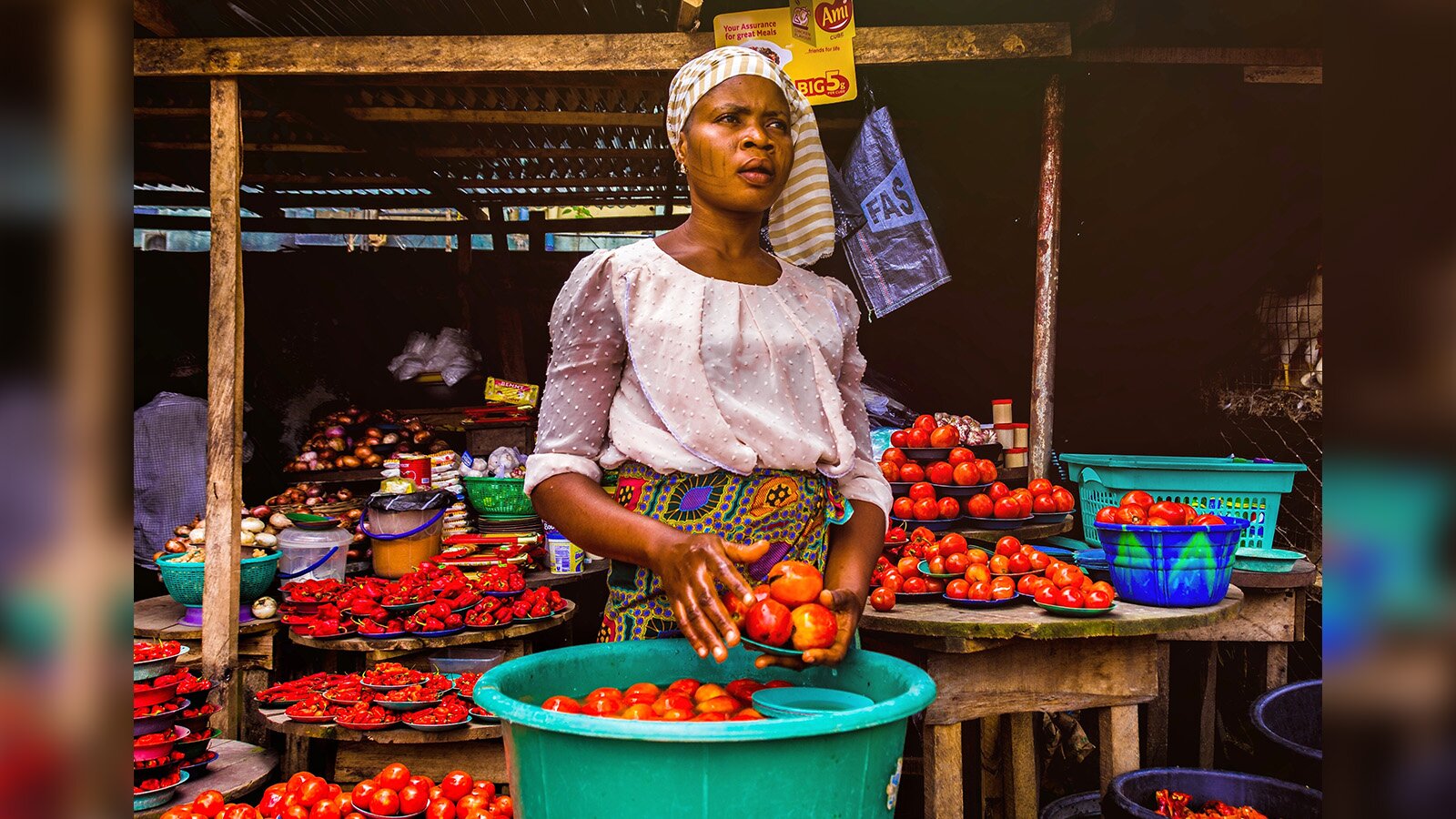
The Earth Markets involve small‑scale producers who sell local, seasonal and sustainably produced food directly to consumers
R1MHaShsxHXUC
Zdjęcie przedstawia czarnoskórą kobietę sprzedającą pomidory. Kobieta jest ubrana w różową bluzkę i kolorową spódnicę, a na głowie ma przewiązaną chustę w biało-żółte paski. W lewej dłoni trzyma talerzyk z umytymi pomidorami. Prawą dłoń ma mokrą i dotyka nią pomidorów na talerzyku. Poniżej jej dłoni widoczna jest duża zielono-niebieska misa, w której pływają w wodzie pomidory oraz dwa małe talerzyki. W tle za nią widoczny jest stragan z ustawionymi w różnych pojemnikach pomidorami oraz czerwoną papryką. W głębi widoczne są pojemniki z czosnkiem i cebulą oraz dwa plastikowe wiaderka. U góry widoczna jest żółta etykieta z napisem w języku angielskim: Your Assurance for great Meals.
Źródło: dostępny w internecie: https://www.pexels.com/ [dostęp 26.05.2022], domena publiczna.
TRANSCRIPTazurewhite
The Earth markets project is an international network of food markets that share the ideas of the slow movements. It is where local producers and foodies sell fresh, high‑quality, clean, fair food from local areas. They are also places for networking, exchanging information, and education.
RJkMCnqmefhMv
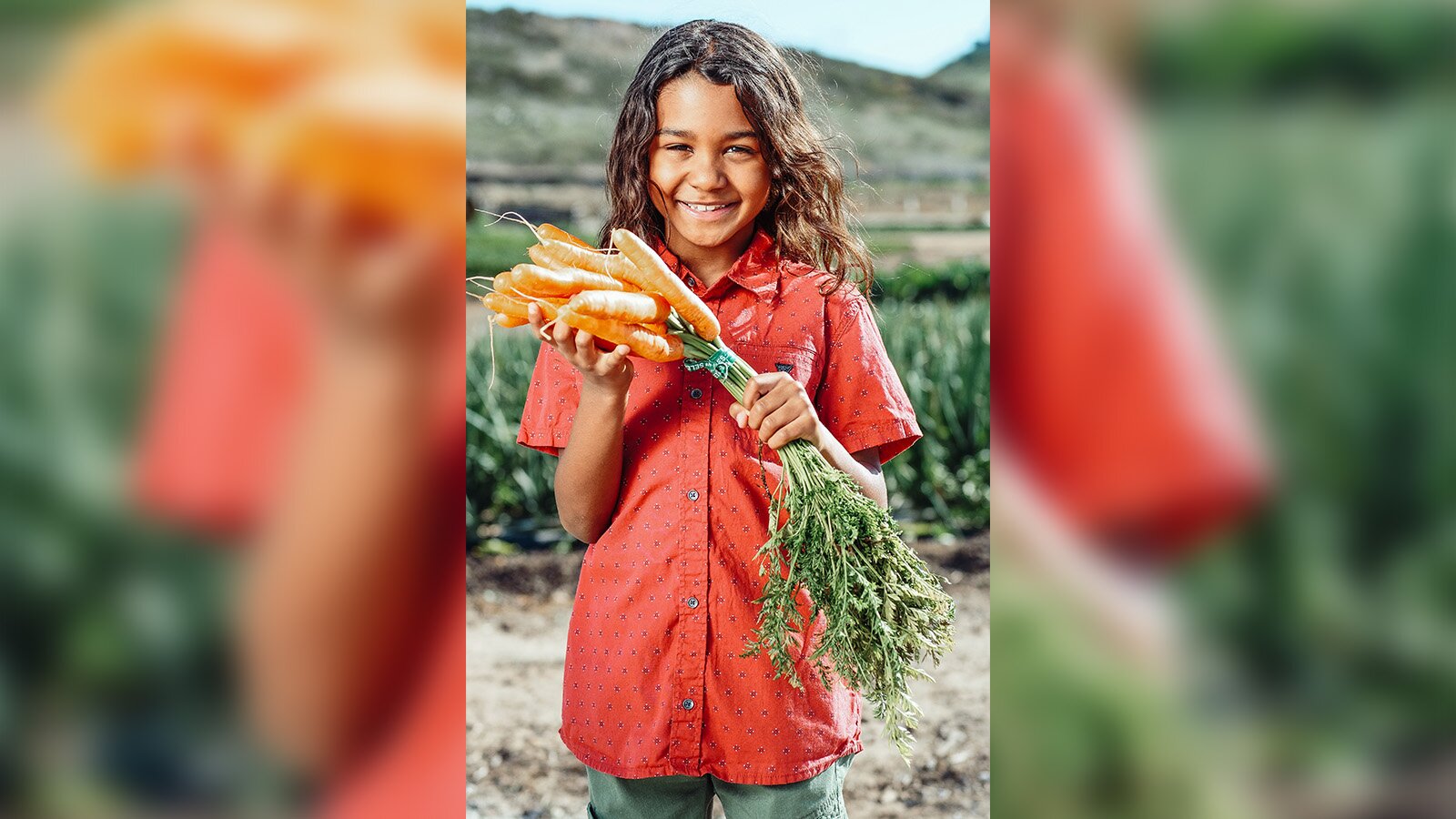
The Ark of Taste is a catalogue that gathers together thousands of traditional products at risk of extinction from all over the world.
R1O5aeZRSfb5y
Zdjęcie przedstawia stojącą na wprost dziewczynkę. Dziewczynka ma długie, ciemne, lekko pofalowane włosy, jest uśmiechnięta, ubrana w czerwoną koszulę z krótkim rękawem i zielone szorty. W ugiętych i lekko podniesionych rękach trzyma pęczek marchwi. W tle widoczne są rozmyte pola oraz wzgórza.
Źródło: dostępny w internecie: https://www.pexels.com/ [dostęp 26.05.2022], domena publiczna.
TRANSCRIPTazurewhite
The Ark of Taste is a long list of local, small‑scale food products that have something unique about them. It was created to protect these products and the wonderful tastes, stories, beliefs and knowledge associated with them, as they are threatened by globalisation and industrialisation of the food industry as well as the ongoing homogenisation of processed food.
R182AvFWq2C9z
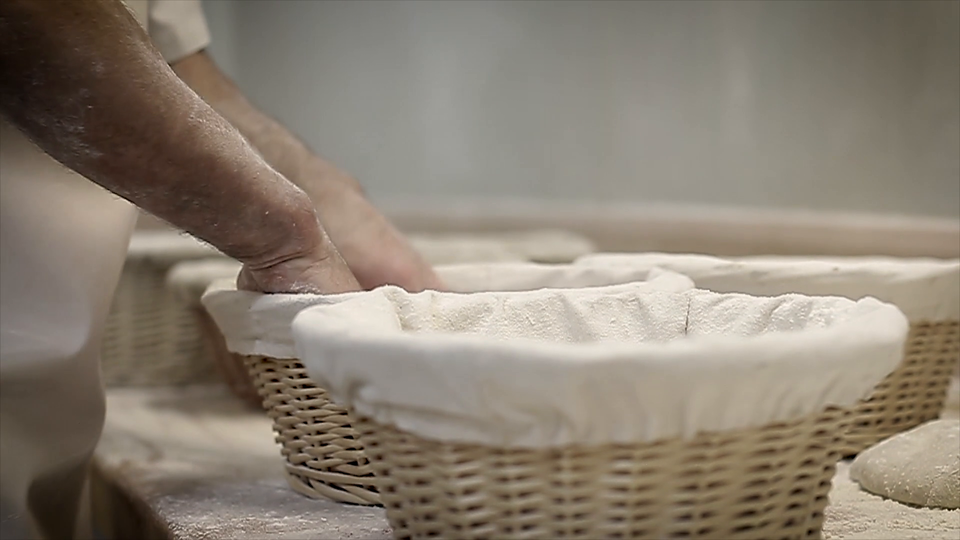
A network of chefs protecting food biodiversity across the world.
R15A3qggNbltw1
Na zdjęciu po lewej stronie widzimy korpus ubranego na biało mężczyzny i jego oprószone mąką ręce. Dłonie znajdują się w wiklinowym koszyku wyściełanym białym materiałem. Obok kilka innych, takich samych koszyków.
Na zdjęciu po lewej stronie widzimy korpus ubranego na biało mężczyzny i jego oprószone mąką ręce. Dłonie znajdują się w wiklinowym koszyku wyściełanym białym materiałem. Obok kilka innych, takich samych koszyków.
Źródło: GroMar Sp. z o.o., licencja: CC BY-SA 3.0.
Źródło: GroMar Sp. z o.o., licencja: CC BY-SA 3.0.
Na zdjęciu po lewej stronie widzimy korpus ubranego na biało mężczyzny i jego oprószone mąką ręce. Dłonie znajdują się w wiklinowym koszyku wyściełanym białym materiałem. Obok kilka innych, takich samych koszyków.
TRANSCRIPTazurewhite
The Slow Food Chefs’ Alliance is a global network of cooks and food professionals who defend the diversity of food across the world and act as custodians of locally‑sourced products and tastes. They cooperate with their restaurants and proudly display the Slow Food logo on the menus, as well as hold joint events when they meet, exchange information about their passion and cook together.
RjdYzRxCXmif9
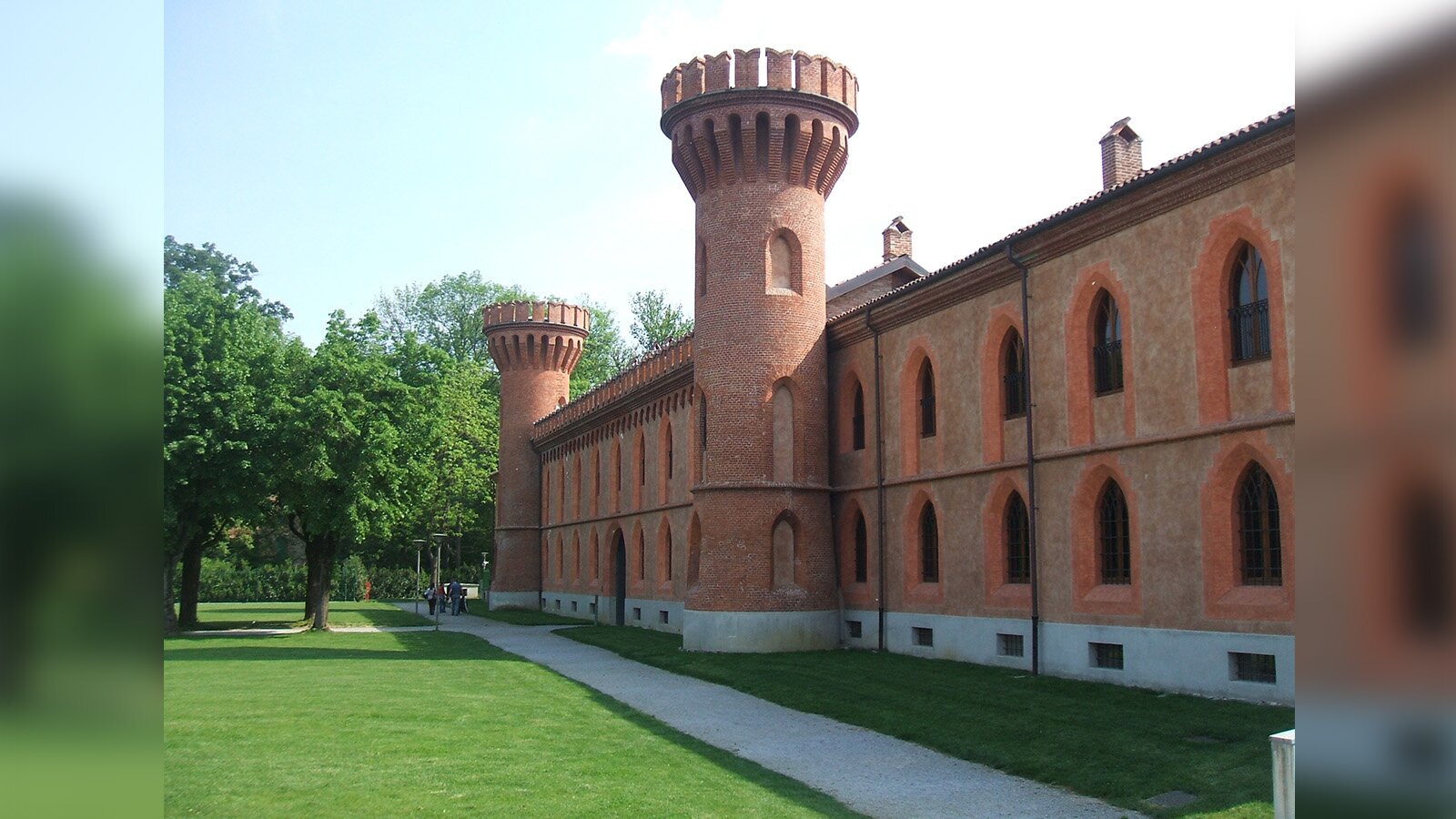
The school offers an innovative multidisciplinary model that combines humanities and sciences with sensory training and first‑hand experience.
RE8Ups4JGvq5o
Zdjęcie przedstawia monumentalny, zabytkowy budynek z czerwonej cegły oraz przylegający do niego park. Budynek widoczny jest po prawej stronie. Zbudowany jest z dwóch wysokich pięter, z oknami zakończonymi u góry ostrymi łukami, oraz dwóch wysokich wież. Wzdłuż budynku biegnie pas zielonej trawy, szary chodnik, a następnie zielony teren z wysokimi drzewami. W głębi widoczne są postaci idące chodnikiem.
Źródło: dostępny w internecie: https://en.wikipedia.org/wiki/University_of_Gastronomic_Sciences#/media/File:Universit%C3%A0_Scienze_Gastronomiche_(esterno).jpg [dostęp 26.05.2022], domena publiczna.
TRANSCRIPTazurewhite
This university in Pollenzo, Italy, runs many undergraduate and postgraduate courses in gastronomic sciences, food innovation and management, eco‑gastronomy, world food cultures, ecology, culinary arts, food communication and marketing, and many other exotic courses such as a Master’s course in wine culture!
R1Ka46kEQrNLv
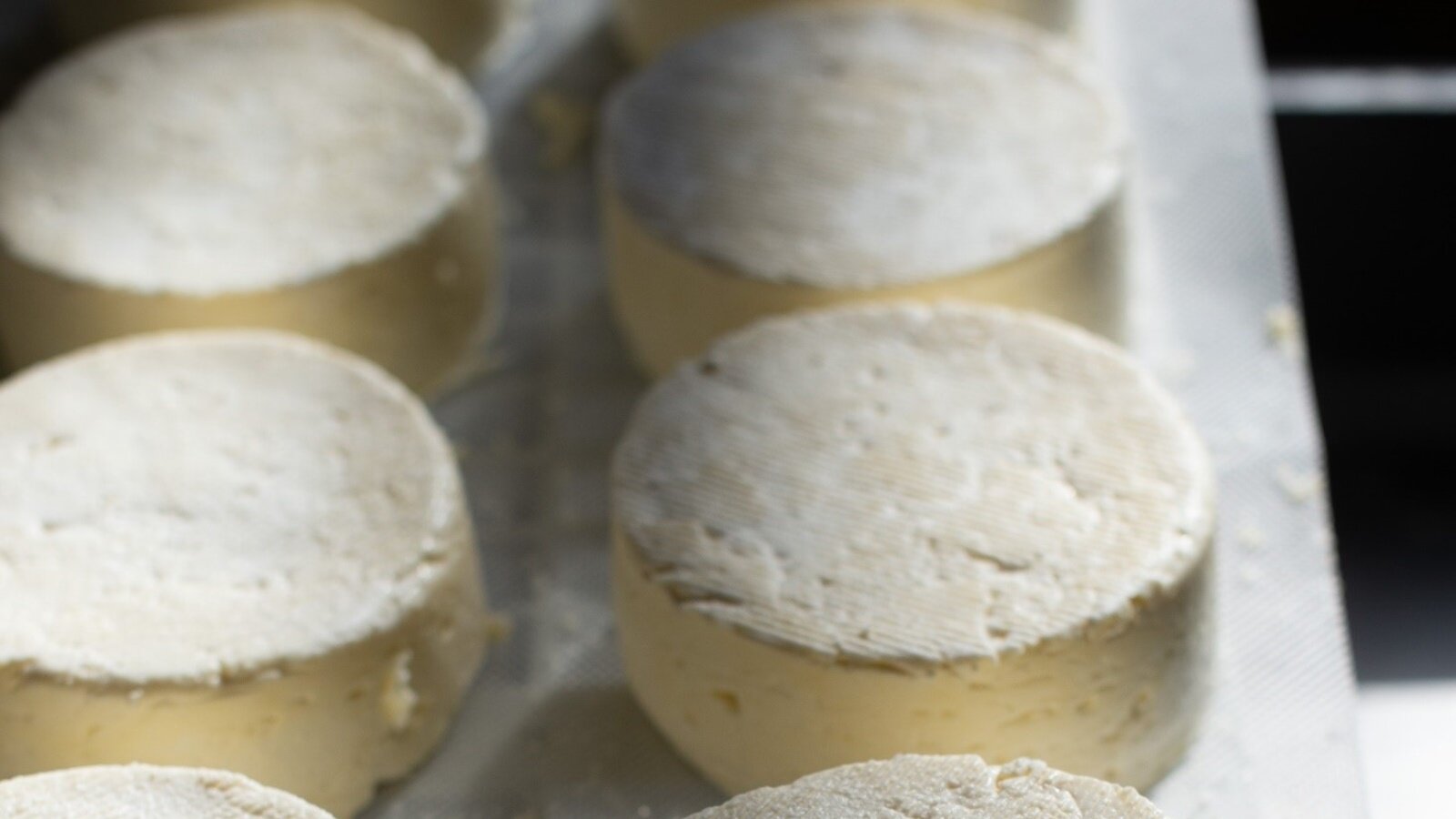
The world is home to over 2,000 types of cheese, all with different shapes, colours and flavours.
RXvrfE3yGcDrC
Zdjęcie przedstawia niewielkie koła sera dojrzewającego, które są ułożone w dwóch rzędach na blacie.
Źródło: dostępny w internecie: https://unsplash.com/ [dostęp 26.05.2022], domena publiczna.
TRANSCRIPTazurewhite
The idea behind slow cheese is to come back to the original, pre‑industrial process of making cheese which consists of just three ingredients: milk, rennet and salt, no matter what type of cheese it is, and there are over 2,000! It brings together artisans and preserves the skill and tradition of cheesemaking, and offers a field of knowledge exchange.
RR9g1AiWLtjfW
„IF ALL MANKIND WERE TO DISAPPEAR, THE WORLD WOULD REGENERATE BACK TO THE RICH STATE OF EQUILIBRIUM THAT EXISTED TEN THOUSAND YEARS AGO. IF INSECTS WERE TO VANISH, THE ENVIRONMENT WOULD COLLAPSE INTO CHAOS.” Edward O. Wilson, biologist
Rx6mNSb8lrHgV
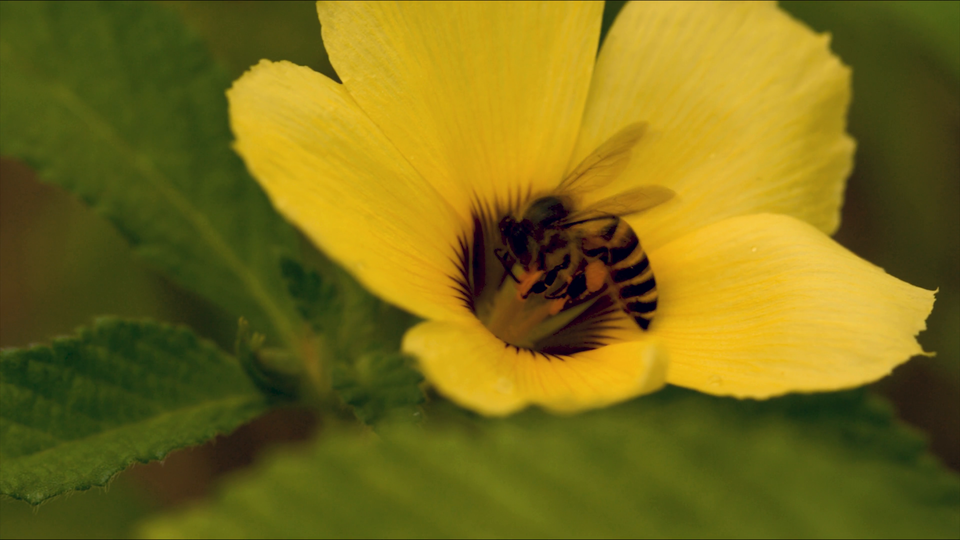
Krótki filmik przedstawia kielich kwiatu o żółtych płatkach, w środku którego widoczna jest pszczoła zapylająca kwiatek i trącająca pomarańczowe pręciki. Wokół widoczne są zielone listki kwiatka.
Krótki filmik przedstawia kielich kwiatu o żółtych płatkach, w środku którego widoczna jest pszczoła zapylająca kwiatek i trącająca pomarańczowe pręciki. Wokół widoczne są zielone listki kwiatka.
Źródło: GroMar Sp. z o.o., licencja: CC BY-SA 3.0.
Źródło: GroMar Sp. z o.o., licencja: CC BY-SA 3.0.
Krótki filmik przedstawia kielich kwiatu o żółtych płatkach, w środku którego widoczna jest pszczoła zapylająca kwiatek i trącająca pomarańczowe pręciki. Wokół widoczne są zielone listki kwiatka.
TRANSCRIPTazurewhite
Insects such as bees are incredibly important as they pollinate the plants which we eat. They also produce honey, wax, pollen and propolis – very useful products used by humans. However, their populations are rapidly dying out due to the omnipresence of pesticides, climate change and industrial agriculture. The Slow Bees movement unites beekeepers and advocates a series of changes: restoration of natural habitats, redesigning of agricultural processes and minimising the use of pesticides to counter this loss and restore these populations.
RGSajsGRZEFGi
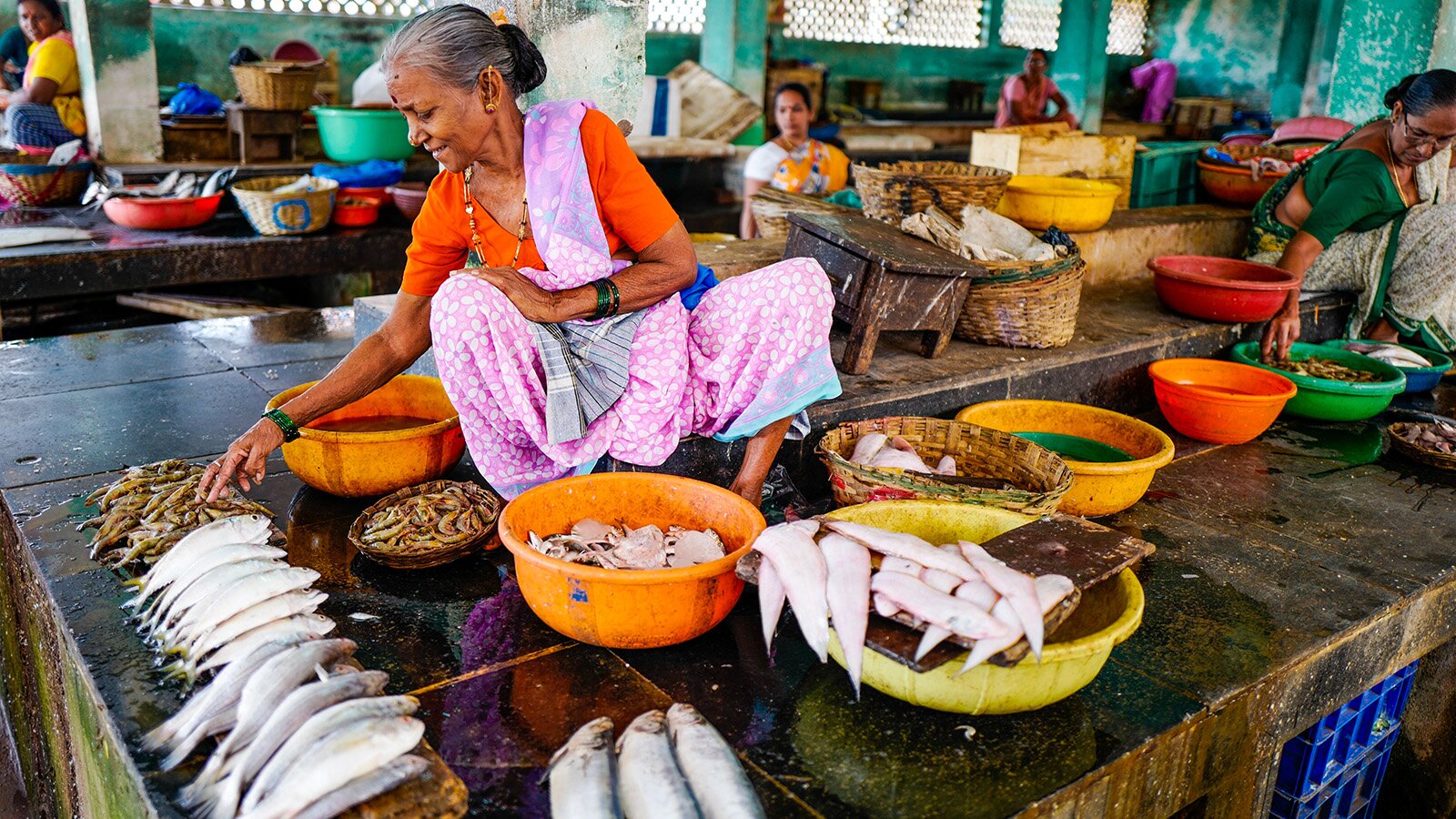
Do you know which ecosystem your fish comes from? Or who caught your fish? Do you have a trusted fishmonger who helps you choose what to buy?
R1BsebTT31Hko
Zdjęcie przedstawia hinduską starszą kobietę siedzącą na ladzie na targu rybnym. Kobieta ma siwe, związane z tyłu włosy, ubrana jest w pomarańczową bluzkę i różowo‑fioletowe szerokie spodnie oraz szarfę. Wokół niej widoczne są kolorowe miski i tace, na których widoczne są różne gatunki świeżych ryb, krewetki, kalmary. W tle widoczne są postaci trzech innych kobiet, które siedzą przy swoich stanowiskach na targu.
Źródło: dostępny w internecie: https://www.pexels.com/ [dostęp 26.05.2022], domena publiczna.
TRANSCRIPTazurewhite
Slow Fish is an international campaign committed to educating the public about sustainable fishing and promoting a healthy and environmentally friendly framework of fish consumption. It also unites fishers, producers, biologists and cooks and gives them a chance to network and exchange practices.
Rikv8vGdLlJaq
Imagine that the land your family has farmed for generations is taken away from you, purchased by wealthy companies to produce food or bio‑fuels, or simply as an investment for other people, often living far away.
R1FsBH4QOmu4y1
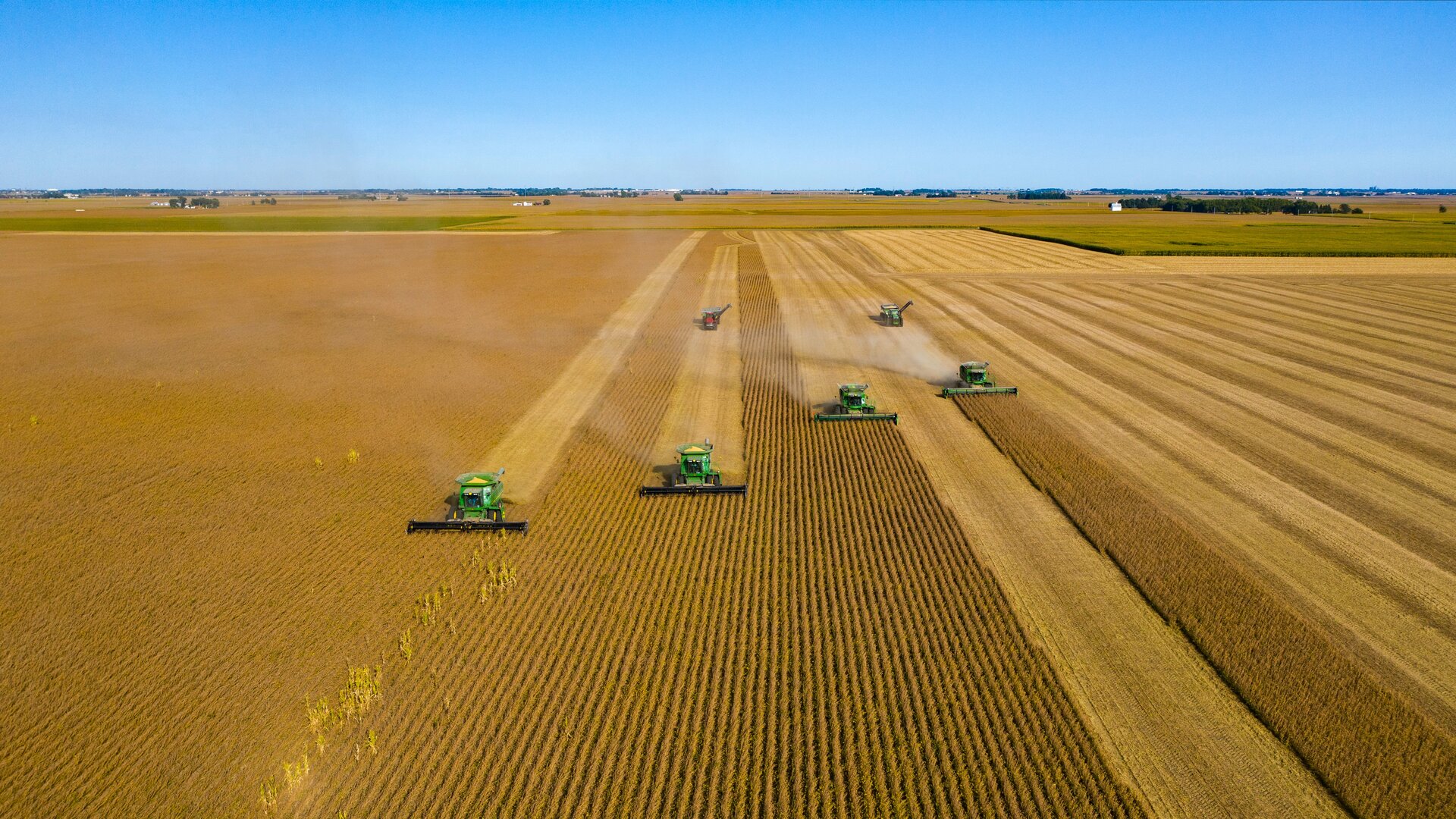
Zdjęcie przedstawia ogromne pole, sięgające aż po horyzont, porośnięte jakąś rośliną rosnącą w rzędach. Pośrodku widoczne są cztery kombajny, które koszą uprawy, a za nimi jadą dwie maszyny służące do młócenia. Pole po prawej stronie jest już skoszone, a po lewej czeka na żniwa. W tle widoczne niebieskie niebo.
Źródło: JamesBaltz, dostępny w internecie: https://unsplash.com/ [dostęp 6.06.2022], domena publiczna.
TRANSCRIPTazurewhite
The term ‘land grabbing’ is used to describe the purchase of large areas of fertile land by companies or governments. Today land grabbing involves millions of hectares, equivalent to an area as big as Spain, and it continues to spread. Taking away such large areas of land from local communities threatens food production and their very existence. It also jeopardises the environment and biodiversity by favouring intensive monoculture farming with the use of huge quantities of pesticides.
RQ2kdrPmsIR5C
Enjoying food with your loved ones.
R10PcFyj5yzx11
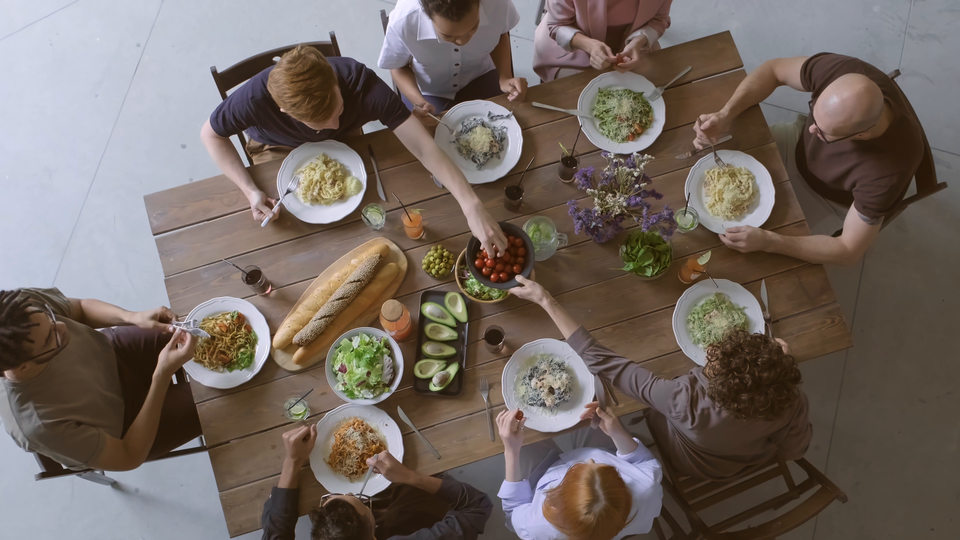
Krótki filmik przedstawia widok z góry na drewniany stół, na którym stoi jedzenie oraz na osiem osób spożywających posiłek. Przed każdą osobą widoczny jest biały talerz z nałożonym jedzeniem. Na stole widoczne są również: półmisek z połówkami awokado, dwie miski z sałatą, deska z trzema bagietkami, miseczka z oliwkami, szklanki z napojami oraz miseczka z pomidorami. Jedna z osób podnosi miskę z pomidorami i częstuje pozostałych.
Krótki filmik przedstawia widok z góry na drewniany stół, na którym stoi jedzenie oraz na osiem osób spożywających posiłek. Przed każdą osobą widoczny jest biały talerz z nałożonym jedzeniem. Na stole widoczne są również: półmisek z połówkami awokado, dwie miski z sałatą, deska z trzema bagietkami, miseczka z oliwkami, szklanki z napojami oraz miseczka z pomidorami. Jedna z osób podnosi miskę z pomidorami i częstuje pozostałych.
Źródło: GroMar Sp. z o.o., licencja: CC BY-SA 3.0.
Źródło: GroMar Sp. z o.o., licencja: CC BY-SA 3.0.
Krótki filmik przedstawia widok z góry na drewniany stół, na którym stoi jedzenie oraz na osiem osób spożywających posiłek. Przed każdą osobą widoczny jest biały talerz z nałożonym jedzeniem. Na stole widoczne są również: półmisek z połówkami awokado, dwie miski z sałatą, deska z trzema bagietkami, miseczka z oliwkami, szklanki z napojami oraz miseczka z pomidorami. Jedna z osób podnosi miskę z pomidorami i częstuje pozostałych.
TRANSCRIPTazurewhite
Conviviality is at the heart of the Slow Food movement – it stands for finding pleasure in cooking, eating and sharing meals with others. So many people do not feel connected to the food they purchase and eat. They do not know where their food comes from, nor do they seem to care. The fast pace of their lives does not leave time for celebrating meals with their families and friends. Slow Food aims to change that.
Rb4Y4iXCGijTL
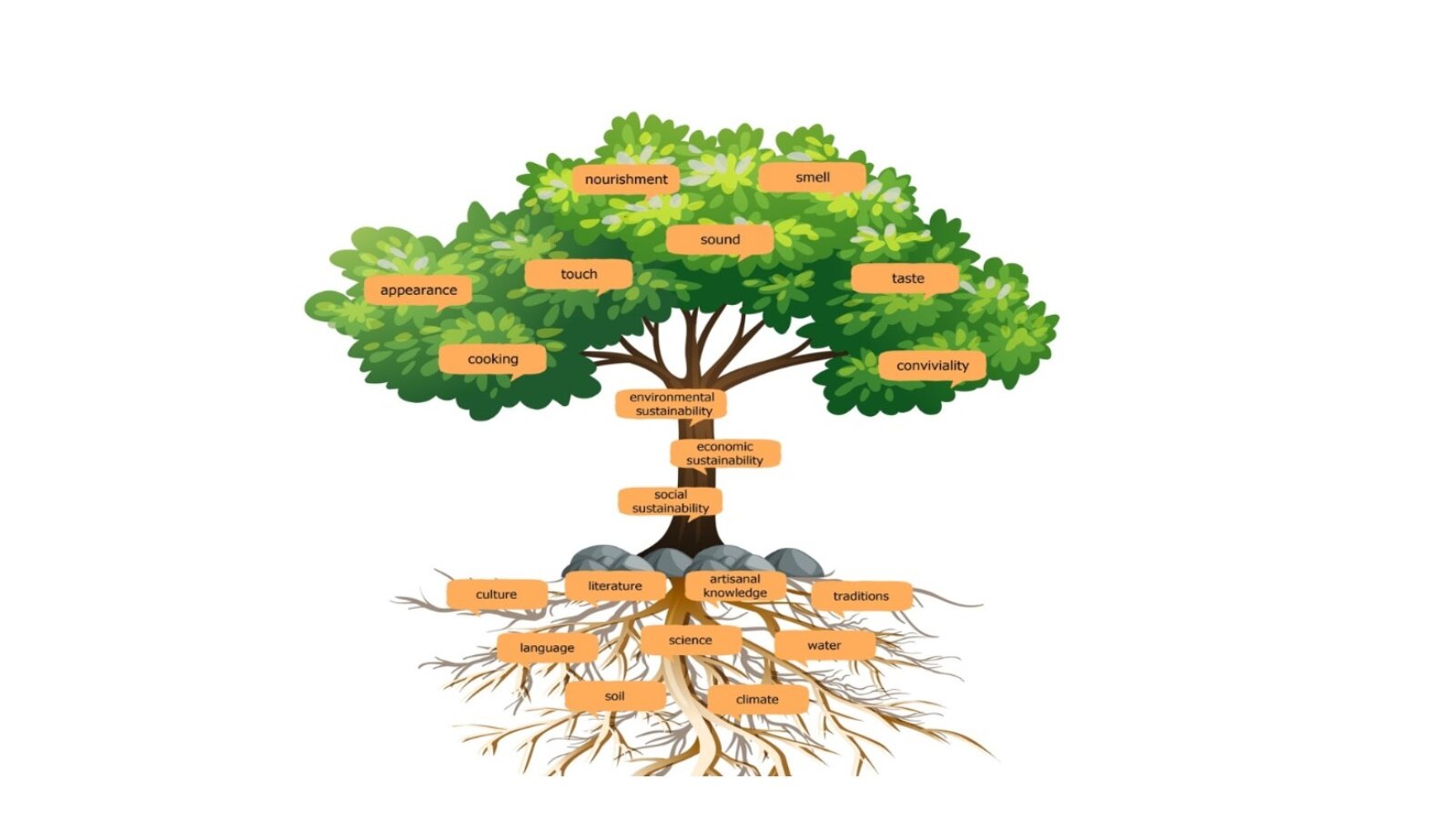
Good food needs soil, seeds, water, nourishment, flavour, culture and time.
R6Zj4krkSDcfk1
Grafika przedstawia zielone drzewo. Widoczne są korzenie drzewa, pień, konary i korona drzewa. Na grafice umieszczono pomarańczowe dymki z napisami w języku angielskim. Na korzeniu drzewa widoczne są napisy: culture, literature, artisanal knowledge, traditions, language, science, water, soil, climate. Na pniu drzewa widoczne są napisy: social sustainability, economic sustainability, environmental sustainability. Na koronie drzewa widoczne są napisy: cooking, appearance, touch, sound, nourishment, smell. taste, conviviality.
Źródło: dostępny w internecie: freepik.com [dostęp 3.06.2022], domena publiczna.
TRANSCRIPTazurewhite
Slow Food imagines a world in which all people can enjoy food that is good for them, good for its producers and good for Earth. The movement’s approach towards food is outlined by three interconnected principles: good quality of food, environmentally clean food production and fair prices.
Lektor volume
Music volume
R1FwNS7uSz0SJ
Exercise2
Study the presentation above. Drag and drop the elements to fill in the sentences. There are two elements that you do not need. a) Earth markets is an 1. planet, 2. cooperate, 3. sustainable, 4. food, 5. local, 6. courses, 7. knowledge, 8. international, 9. dying food network of markets, producers and makers.
b) The Ark of Taste embraces 1. planet, 2. cooperate, 3. sustainable, 4. food, 5. local, 6. courses, 7. knowledge, 8. international, 9. dying, unique products.
c) The Chefs’ Alliance is a network of chefs who 1. planet, 2. cooperate, 3. sustainable, 4. food, 5. local, 6. courses, 7. knowledge, 8. international, 9. dying with restaurants to promote food diversity.
d) The University of Gastronomic Sciences runs many 1. planet, 2. cooperate, 3. sustainable, 4. food, 5. local, 6. courses, 7. knowledge, 8. international, 9. dying on food.
e) The slow cheese movement preserves the 1. planet, 2. cooperate, 3. sustainable, 4. food, 5. local, 6. courses, 7. knowledge, 8. international, 9. dying of making cheese.
f) The slow bees project aims to save the bees and other insects from 1. planet, 2. cooperate, 3. sustainable, 4. food, 5. local, 6. courses, 7. knowledge, 8. international, 9. dying out.
g) The slow fish movement educates the public about 1. planet, 2. cooperate, 3. sustainable, 4. food, 5. local, 6. courses, 7. knowledge, 8. international, 9. dying fishing.
Study the presentation above. Drag and drop the elements to fill in the sentences. There are two elements that you do not need. a) Earth markets is an 1. planet, 2. cooperate, 3. sustainable, 4. food, 5. local, 6. courses, 7. knowledge, 8. international, 9. dying food network of markets, producers and makers.
b) The Ark of Taste embraces 1. planet, 2. cooperate, 3. sustainable, 4. food, 5. local, 6. courses, 7. knowledge, 8. international, 9. dying, unique products.
c) The Chefs’ Alliance is a network of chefs who 1. planet, 2. cooperate, 3. sustainable, 4. food, 5. local, 6. courses, 7. knowledge, 8. international, 9. dying with restaurants to promote food diversity.
d) The University of Gastronomic Sciences runs many 1. planet, 2. cooperate, 3. sustainable, 4. food, 5. local, 6. courses, 7. knowledge, 8. international, 9. dying on food.
e) The slow cheese movement preserves the 1. planet, 2. cooperate, 3. sustainable, 4. food, 5. local, 6. courses, 7. knowledge, 8. international, 9. dying of making cheese.
f) The slow bees project aims to save the bees and other insects from 1. planet, 2. cooperate, 3. sustainable, 4. food, 5. local, 6. courses, 7. knowledge, 8. international, 9. dying out.
g) The slow fish movement educates the public about 1. planet, 2. cooperate, 3. sustainable, 4. food, 5. local, 6. courses, 7. knowledge, 8. international, 9. dying fishing.
Źródło: GroMar Sp. z o.o., licencja: CC BY-SA 3.0.
Exercise3
Consider the extracts from the presentation about the slow food activities once again and pay attention to specific details. Then, choose all the correct answers. There may be more than one correct answer in each point.
RE0Qj055K2UC6
Zdjęcie przedstawia czarnoskórą kobietę sprzedającą pomidory. Kobieta jest ubrana w różową bluzkę i kolorową spódnicę, a na głowie ma przewiązaną chustę w biało-żółte paski. W lewej dłoni trzyma talerzyk z umytymi pomidorami. Prawą dłoń ma mokrą i dotyka nią pomidorów na talerzyku. Poniżej jej dłoni widoczna jest duża zielono-niebieska misa, w której pływają w wodzie pomidory oraz dwa małe talerzyki. W tle za nią widoczny jest stragan z ustawionymi w różnych pojemnikach pomidorami oraz czerwoną papryką. W głębi widoczne są pojemniki z czosnkiem cebulą oraz dwa plastikowe wiaderka.
Zdjęcie przedstawia czarnoskórą kobietę sprzedającą pomidory. Kobieta jest ubrana w różową bluzkę i kolorową spódnicę, a na głowie ma przewiązaną chustę w biało-żółte paski. W lewej dłoni trzyma talerzyk z umytymi pomidorami. Prawą dłoń ma mokrą i dotyka nią pomidorów na talerzyku. Poniżej jej dłoni widoczna jest duża zielono-niebieska misa, w której pływają w wodzie pomidory oraz dwa małe talerzyki. W tle za nią widoczny jest stragan z ustawionymi w różnych pojemnikach pomidorami oraz czerwoną papryką. W głębi widoczne są pojemniki z czosnkiem cebulą oraz dwa plastikowe wiaderka.
Źródło: dostępny w internecie: www.pexels.com [dostęp 16.02.2022], domena publiczna.
RShi3zt76dmHp
Zdjęcie przedstawia stojącą na wprost dziewczynkę. Dziewczynka ma długie, ciemne, lekko pofalowane włosy, jest uśmiechnięta, ubrana w czerwoną koszulę z krótkim rękawem i zielone szorty. W ugiętych i lekko podniesionych rękach trzyma pęczek marchwi. W tle widoczne są rozmyte pola oraz wzgórza.
Zdjęcie przedstawia stojącą na wprost dziewczynkę. Dziewczynka ma długie, ciemne, lekko pofalowane włosy, jest uśmiechnięta, ubrana w czerwoną koszulę z krótkim rękawem i zielone szorty. W ugiętych i lekko podniesionych rękach trzyma pęczek marchwi. W tle widoczne są rozmyte pola oraz wzgórza.
Źródło: dostępny w internecie: www.pexels.com [dostęp 16.02.2022], domena publiczna.
RRfbmy28zhc4s
Zdjęcie przedstawia dwóch mężczyzn w średnim wieku, w zapinanych koszulach i błękitnych fartuchach, którzy stoją przy stole kucharskim. Pierwszy z nich jedną dłonią trzyma patelnię, a drugą tubę z czerwonym płynem, który wylewa na patelnię.
Zdjęcie przedstawia dwóch mężczyzn w średnim wieku, w zapinanych koszulach i błękitnych fartuchach, którzy stoją przy stole kucharskim. Pierwszy z nich jedną dłonią trzyma patelnię, a drugą tubę z czerwonym płynem, który wylewa na patelnię.
Źródło: GroMar Sp. z o.o., licencja: CC BY-SA 3.0.
R1Af3nNaVh6sS
Zdjęcie przedstawia monumentalny, zabytkowy budynek z czerwonej cegły oraz przylegający do niego park. Budynek widoczny jest po prawej stronie. Zbudowany jest z dwóch wysokich pięter, z oknami zakończonymi u góry ostrymi łukami, oraz dwóch wysokich wież. Wzdłuż budynku biegnie pas zielonej trawy, szary chodnik, a następnie zielony teren z wysokimi drzewami. W głębi widoczne są postaci idące chodnikiem.
Zdjęcie przedstawia monumentalny, zabytkowy budynek z czerwonej cegły oraz przylegający do niego park. Budynek widoczny jest po prawej stronie. Zbudowany jest z dwóch wysokich pięter, z oknami zakończonymi u góry ostrymi łukami, oraz dwóch wysokich wież. Wzdłuż budynku biegnie pas zielonej trawy, szary chodnik, a następnie zielony teren z wysokimi drzewami. W głębi widoczne są postaci idące chodnikiem.
Źródło: GroMar Sp. z o.o., licencja: CC BY-SA 3.0.
R1X2deCWcYtN8
Zdjęcie przedstawia okrągły ser pleśniowy z wykrojonym, trójkątnym fragmentem oraz przezroczystą miseczkę z białym sosem, w który włożona jest łyżeczka.
Zdjęcie przedstawia okrągły ser pleśniowy z wykrojonym, trójkątnym fragmentem oraz przezroczystą miseczkę z białym sosem, w który włożona jest łyżeczka.
Źródło: GroMar Sp. z o.o., licencja: CC BY-SA 3.0.
R1YPdsGwPw5At
Zdjęcie przedstawia plaster miodu, na którym siedzą pszczoły.
Zdjęcie przedstawia plaster miodu, na którym siedzą pszczoły.
Źródło: GroMar Sp. z o.o., licencja: CC BY-SA 3.0.
RnjbvOszHDskC
Zdjęcie przedstawia hinduską starszą kobietę siedzącą na ladzie na targu rybnym. Kobieta ma siwe, związane z tyłu włosy, ubrana jest w pomarańczową bluzkę i różowo-fioletowe szerokie spodnie oraz szarfę. Wokół niej widoczne są kolorowe miski i tace, na których widoczne są różne gatunki świeżych ryb, krewetki, kalmary. W tle widoczne są postaci trzech innych kobiet, które siedzą przy swoich stanowiskach na targu.
Zdjęcie przedstawia hinduską starszą kobietę siedzącą na ladzie na targu rybnym. Kobieta ma siwe, związane z tyłu włosy, ubrana jest w pomarańczową bluzkę i różowo-fioletowe szerokie spodnie oraz szarfę. Wokół niej widoczne są kolorowe miski i tace, na których widoczne są różne gatunki świeżych ryb, krewetki, kalmary. W tle widoczne są postaci trzech innych kobiet, które siedzą przy swoich stanowiskach na targu.
Źródło: GroMar Sp. z o.o., licencja: CC BY-SA 3.0.
R1ROLiRmn2lJk
Exercise4
Based on the multimedium above, type in the missing words. Good morning, we are here with Mariano Corazzo, one of the members of the 1. STu uzupełnij FTu uzupełnij organisation in Genoa, Italy. Q: Hi Mariano, can you tell us a bit about how the 2. mTu uzupełnij started? A: Well, it’s when another fast food 3. cTu uzupełnij was trying to set up their shop in the centre of our old town. That’s when I said I have to do something. It’s when I joined my first 4. cTu uzupełnij, that is, a branch of the Slow Food movement in Genoa. Q: What do you do there? A: Well, there are a lot of activities. I am working closely with the 5. UTu uzupełnij oTu uzupełnij GTu uzupełnij STu uzupełnij nearby, in Pollenzo. Me and a group of students are working on gathering the recipes from the local restaurants and people from small villages. We look at the traditional ways of cooking food, cooperating with anthropologists from the 6. ATu uzupełnij oTu uzupełnij TTu uzupełnij project. Q: Great. Do you do anything in your own city? A: Yes, actually, since Genoa is a seaside resort, we eat a lot of seafood. Hence, we try to cooperate with local fishermen as part of the 7. STu uzupełnij FTu uzupełnij project. We teach them about 8. sTu uzupełnij fTu uzupełnij and help them in achieving 9. fTu uzupełnij prices and deals by connecting them to local restaurants. There are also 10. bTu uzupełnij who run courses at the local school about marine life and seafood, and ways of protecting them. Q: That sounds great. Would you like to say anything else to our readers? A: Well, I would like everyone to remember that we depend on our food, and on our planet to provide us with food. Without all the plants, the earth and the animals we wouldn’t be able to survive. We need to slow down and start caring about them. And, most importantly, establish a healthy connection with the 11. eTu uzupełnij. This is our revolution! Please have a look at our website where you will find more information about slow food!
Based on the multimedium above, type in the missing words. Good morning, we are here with Mariano Corazzo, one of the members of the 1. STu uzupełnij FTu uzupełnij organisation in Genoa, Italy. Q: Hi Mariano, can you tell us a bit about how the 2. mTu uzupełnij started? A: Well, it’s when another fast food 3. cTu uzupełnij was trying to set up their shop in the centre of our old town. That’s when I said I have to do something. It’s when I joined my first 4. cTu uzupełnij, that is, a branch of the Slow Food movement in Genoa. Q: What do you do there? A: Well, there are a lot of activities. I am working closely with the 5. UTu uzupełnij oTu uzupełnij GTu uzupełnij STu uzupełnij nearby, in Pollenzo. Me and a group of students are working on gathering the recipes from the local restaurants and people from small villages. We look at the traditional ways of cooking food, cooperating with anthropologists from the 6. ATu uzupełnij oTu uzupełnij TTu uzupełnij project. Q: Great. Do you do anything in your own city? A: Yes, actually, since Genoa is a seaside resort, we eat a lot of seafood. Hence, we try to cooperate with local fishermen as part of the 7. STu uzupełnij FTu uzupełnij project. We teach them about 8. sTu uzupełnij fTu uzupełnij and help them in achieving 9. fTu uzupełnij prices and deals by connecting them to local restaurants. There are also 10. bTu uzupełnij who run courses at the local school about marine life and seafood, and ways of protecting them. Q: That sounds great. Would you like to say anything else to our readers? A: Well, I would like everyone to remember that we depend on our food, and on our planet to provide us with food. Without all the plants, the earth and the animals we wouldn’t be able to survive. We need to slow down and start caring about them. And, most importantly, establish a healthy connection with the 11. eTu uzupełnij. This is our revolution! Please have a look at our website where you will find more information about slow food!
Źródło: GroMar Sp. z o.o., licencja: CC BY-SA 3.0.
Exercise5
Imagine you want to join a local slow food convivium in your area. Write a short cover letter (100–150 words) in which you explain why you want to join and which of the movement’s activities are particularly interesting to you.
Include the following:
introduce yourself and your background;
include information about how you’ve heard about slow food;
give reasons why you would like to join;
outline an activity of the movement which interests you the most.
Exam tipazurewhite
Wyobraź sobie, że chcesz dołączyć do lokalnej grupy entuzjastów Slow Food. Napisz list motywacyjny, w którym wyjaśnisz, dlaczego chcesz zostać członkiem/członkinią grupy i które aktywności ruchu Slow Food są dla ciebie najbardziej interesujące. W liście (100–150 wyrazów):
przedstaw się i opowiedz trochę o sobie;
wyjaśnij, jak dowiedziałeś/dowiedziałaś się o ruchu Slow Food;
podaj powody, dla których chcesz dołączyć do grupy;
przedstaw aktywność, która najbardziej cię interesuje.
Napisz swoją wypowiedź w języku angielskim. Podpisz się jako XYZ. Rozwiń swoją wypowiedź w każdym z czterech podpunktów, tak aby osoba nieznająca polecenia w języku polskim uzyskała wszystkie wskazane w nim informacje. Pamiętaj, że długość wypowiedzi powinna wynosić od 100 do 150 wyrazów (z wyjątkiem wyrazów podanych na początku i na końcu wypowiedzi). Napisz każdy z realizowanych podpunktów w oddzielnym akapicie. W ten sposób będziesz wiedzieć, czy na pewno dany podpunkt został przez ciebie wystarczająco rozwinięty.
R13SKWYTpzNTo
(Uzupełnij).
Źródło: GroMar Sp. z o.o., licencja: CC BY-SA 3.0.
Dear Sir/Madam,
My name is… and I am from…
I have heard about your movement from…
The reason I would like to join is that…
I am particularly interested in the initiative called…
Looking forward to your answer.
Yours faithfully,
XYZ
Dear Sir/Madam,
My name is Charles Brown and I am from Andover, United Kingdom. My town is small and most restaurants here are fast food chains.
I have heard about your movement in my English class and I was drawn to your philosophy that resists the constant encroachment of processed food.
I would like to join because I think fast foods are responsible for many problems in my community. The obesity is a serious issue here. Furthermore, I’ve been trying to inform people about the environmental impact of the meat industry. Your movement supports such initiatives and I would love to become an active member.
I am particularly interested in your ‘Earth Markets’. My parents have a food garden, but there is no place in Andover to sell our produce and we would love to set up something like it so that we could meet, exchange ideas and promote our philosophy.