Drag and drop elements to match words with their definitions. bland Możliwe odpowiedzi: 1. to enjoy and take time with food, 2. a chemical substance used to kill insects, 3. an animal product used to make cheese, 4. without taste, 5. a person who is very interested in food, 6. avoiding to deplete natural resources, 7. a health condition based on excessive body weight, 8. a place to grow edible plants, 9. knowledge passed on from generation to generation, 10. a person whose job is to protect somebody or something, 11. dying out, e.g. of bees or other animals, 12. a process where things become alike a food garden Możliwe odpowiedzi: 1. to enjoy and take time with food, 2. a chemical substance used to kill insects, 3. an animal product used to make cheese, 4. without taste, 5. a person who is very interested in food, 6. avoiding to deplete natural resources, 7. a health condition based on excessive body weight, 8. a place to grow edible plants, 9. knowledge passed on from generation to generation, 10. a person whose job is to protect somebody or something, 11. dying out, e.g. of bees or other animals, 12. a process where things become alike extinction Możliwe odpowiedzi: 1. to enjoy and take time with food, 2. a chemical substance used to kill insects, 3. an animal product used to make cheese, 4. without taste, 5. a person who is very interested in food, 6. avoiding to deplete natural resources, 7. a health condition based on excessive body weight, 8. a place to grow edible plants, 9. knowledge passed on from generation to generation, 10. a person whose job is to protect somebody or something, 11. dying out, e.g. of bees or other animals, 12. a process where things become alike heritage Możliwe odpowiedzi: 1. to enjoy and take time with food, 2. a chemical substance used to kill insects, 3. an animal product used to make cheese, 4. without taste, 5. a person who is very interested in food, 6. avoiding to deplete natural resources, 7. a health condition based on excessive body weight, 8. a place to grow edible plants, 9. knowledge passed on from generation to generation, 10. a person whose job is to protect somebody or something, 11. dying out, e.g. of bees or other animals, 12. a process where things become alike to savour Możliwe odpowiedzi: 1. to enjoy and take time with food, 2. a chemical substance used to kill insects, 3. an animal product used to make cheese, 4. without taste, 5. a person who is very interested in food, 6. avoiding to deplete natural resources, 7. a health condition based on excessive body weight, 8. a place to grow edible plants, 9. knowledge passed on from generation to generation, 10. a person whose job is to protect somebody or something, 11. dying out, e.g. of bees or other animals, 12. a process where things become alike sustainability Możliwe odpowiedzi: 1. to enjoy and take time with food, 2. a chemical substance used to kill insects, 3. an animal product used to make cheese, 4. without taste, 5. a person who is very interested in food, 6. avoiding to deplete natural resources, 7. a health condition based on excessive body weight, 8. a place to grow edible plants, 9. knowledge passed on from generation to generation, 10. a person whose job is to protect somebody or something, 11. dying out, e.g. of bees or other animals, 12. a process where things become alike obesity Możliwe odpowiedzi: 1. to enjoy and take time with food, 2. a chemical substance used to kill insects, 3. an animal product used to make cheese, 4. without taste, 5. a person who is very interested in food, 6. avoiding to deplete natural resources, 7. a health condition based on excessive body weight, 8. a place to grow edible plants, 9. knowledge passed on from generation to generation, 10. a person whose job is to protect somebody or something, 11. dying out, e.g. of bees or other animals, 12. a process where things become alike a foodie Możliwe odpowiedzi: 1. to enjoy and take time with food, 2. a chemical substance used to kill insects, 3. an animal product used to make cheese, 4. without taste, 5. a person who is very interested in food, 6. avoiding to deplete natural resources, 7. a health condition based on excessive body weight, 8. a place to grow edible plants, 9. knowledge passed on from generation to generation, 10. a person whose job is to protect somebody or something, 11. dying out, e.g. of bees or other animals, 12. a process where things become alike homogenisation Możliwe odpowiedzi: 1. to enjoy and take time with food, 2. a chemical substance used to kill insects, 3. an animal product used to make cheese, 4. without taste, 5. a person who is very interested in food, 6. avoiding to deplete natural resources, 7. a health condition based on excessive body weight, 8. a place to grow edible plants, 9. knowledge passed on from generation to generation, 10. a person whose job is to protect somebody or something, 11. dying out, e.g. of bees or other animals, 12. a process where things become alike a custodian Możliwe odpowiedzi: 1. to enjoy and take time with food, 2. a chemical substance used to kill insects, 3. an animal product used to make cheese, 4. without taste, 5. a person who is very interested in food, 6. avoiding to deplete natural resources, 7. a health condition based on excessive body weight, 8. a place to grow edible plants, 9. knowledge passed on from generation to generation, 10. a person whose job is to protect somebody or something, 11. dying out, e.g. of bees or other animals, 12. a process where things become alike rennet Możliwe odpowiedzi: 1. to enjoy and take time with food, 2. a chemical substance used to kill insects, 3. an animal product used to make cheese, 4. without taste, 5. a person who is very interested in food, 6. avoiding to deplete natural resources, 7. a health condition based on excessive body weight, 8. a place to grow edible plants, 9. knowledge passed on from generation to generation, 10. a person whose job is to protect somebody or something, 11. dying out, e.g. of bees or other animals, 12. a process where things become alike pesticide Możliwe odpowiedzi: 1. to enjoy and take time with food, 2. a chemical substance used to kill insects, 3. an animal product used to make cheese, 4. without taste, 5. a person who is very interested in food, 6. avoiding to deplete natural resources, 7. a health condition based on excessive body weight, 8. a place to grow edible plants, 9. knowledge passed on from generation to generation, 10. a person whose job is to protect somebody or something, 11. dying out, e.g. of bees or other animals, 12. a process where things become alike
Drag and drop elements to match words with their definitions. bland Możliwe odpowiedzi: 1. to enjoy and take time with food, 2. a chemical substance used to kill insects, 3. an animal product used to make cheese, 4. without taste, 5. a person who is very interested in food, 6. avoiding to deplete natural resources, 7. a health condition based on excessive body weight, 8. a place to grow edible plants, 9. knowledge passed on from generation to generation, 10. a person whose job is to protect somebody or something, 11. dying out, e.g. of bees or other animals, 12. a process where things become alike a food garden Możliwe odpowiedzi: 1. to enjoy and take time with food, 2. a chemical substance used to kill insects, 3. an animal product used to make cheese, 4. without taste, 5. a person who is very interested in food, 6. avoiding to deplete natural resources, 7. a health condition based on excessive body weight, 8. a place to grow edible plants, 9. knowledge passed on from generation to generation, 10. a person whose job is to protect somebody or something, 11. dying out, e.g. of bees or other animals, 12. a process where things become alike extinction Możliwe odpowiedzi: 1. to enjoy and take time with food, 2. a chemical substance used to kill insects, 3. an animal product used to make cheese, 4. without taste, 5. a person who is very interested in food, 6. avoiding to deplete natural resources, 7. a health condition based on excessive body weight, 8. a place to grow edible plants, 9. knowledge passed on from generation to generation, 10. a person whose job is to protect somebody or something, 11. dying out, e.g. of bees or other animals, 12. a process where things become alike heritage Możliwe odpowiedzi: 1. to enjoy and take time with food, 2. a chemical substance used to kill insects, 3. an animal product used to make cheese, 4. without taste, 5. a person who is very interested in food, 6. avoiding to deplete natural resources, 7. a health condition based on excessive body weight, 8. a place to grow edible plants, 9. knowledge passed on from generation to generation, 10. a person whose job is to protect somebody or something, 11. dying out, e.g. of bees or other animals, 12. a process where things become alike to savour Możliwe odpowiedzi: 1. to enjoy and take time with food, 2. a chemical substance used to kill insects, 3. an animal product used to make cheese, 4. without taste, 5. a person who is very interested in food, 6. avoiding to deplete natural resources, 7. a health condition based on excessive body weight, 8. a place to grow edible plants, 9. knowledge passed on from generation to generation, 10. a person whose job is to protect somebody or something, 11. dying out, e.g. of bees or other animals, 12. a process where things become alike sustainability Możliwe odpowiedzi: 1. to enjoy and take time with food, 2. a chemical substance used to kill insects, 3. an animal product used to make cheese, 4. without taste, 5. a person who is very interested in food, 6. avoiding to deplete natural resources, 7. a health condition based on excessive body weight, 8. a place to grow edible plants, 9. knowledge passed on from generation to generation, 10. a person whose job is to protect somebody or something, 11. dying out, e.g. of bees or other animals, 12. a process where things become alike obesity Możliwe odpowiedzi: 1. to enjoy and take time with food, 2. a chemical substance used to kill insects, 3. an animal product used to make cheese, 4. without taste, 5. a person who is very interested in food, 6. avoiding to deplete natural resources, 7. a health condition based on excessive body weight, 8. a place to grow edible plants, 9. knowledge passed on from generation to generation, 10. a person whose job is to protect somebody or something, 11. dying out, e.g. of bees or other animals, 12. a process where things become alike a foodie Możliwe odpowiedzi: 1. to enjoy and take time with food, 2. a chemical substance used to kill insects, 3. an animal product used to make cheese, 4. without taste, 5. a person who is very interested in food, 6. avoiding to deplete natural resources, 7. a health condition based on excessive body weight, 8. a place to grow edible plants, 9. knowledge passed on from generation to generation, 10. a person whose job is to protect somebody or something, 11. dying out, e.g. of bees or other animals, 12. a process where things become alike homogenisation Możliwe odpowiedzi: 1. to enjoy and take time with food, 2. a chemical substance used to kill insects, 3. an animal product used to make cheese, 4. without taste, 5. a person who is very interested in food, 6. avoiding to deplete natural resources, 7. a health condition based on excessive body weight, 8. a place to grow edible plants, 9. knowledge passed on from generation to generation, 10. a person whose job is to protect somebody or something, 11. dying out, e.g. of bees or other animals, 12. a process where things become alike a custodian Możliwe odpowiedzi: 1. to enjoy and take time with food, 2. a chemical substance used to kill insects, 3. an animal product used to make cheese, 4. without taste, 5. a person who is very interested in food, 6. avoiding to deplete natural resources, 7. a health condition based on excessive body weight, 8. a place to grow edible plants, 9. knowledge passed on from generation to generation, 10. a person whose job is to protect somebody or something, 11. dying out, e.g. of bees or other animals, 12. a process where things become alike rennet Możliwe odpowiedzi: 1. to enjoy and take time with food, 2. a chemical substance used to kill insects, 3. an animal product used to make cheese, 4. without taste, 5. a person who is very interested in food, 6. avoiding to deplete natural resources, 7. a health condition based on excessive body weight, 8. a place to grow edible plants, 9. knowledge passed on from generation to generation, 10. a person whose job is to protect somebody or something, 11. dying out, e.g. of bees or other animals, 12. a process where things become alike pesticide Możliwe odpowiedzi: 1. to enjoy and take time with food, 2. a chemical substance used to kill insects, 3. an animal product used to make cheese, 4. without taste, 5. a person who is very interested in food, 6. avoiding to deplete natural resources, 7. a health condition based on excessive body weight, 8. a place to grow edible plants, 9. knowledge passed on from generation to generation, 10. a person whose job is to protect somebody or something, 11. dying out, e.g. of bees or other animals, 12. a process where things become alike
Źródło: GroMar Sp. z o.o., licencja: CC BY-SA 3.0.
RU1p9gQ248xZ61
Exercise2
Drag and drop the elements to fill in the gaps in the text. The 1. 1. heritage, 2. fast food, 3. Ark of Taste, 4. bees, 5. advocates, 6. globalisation, 7. gardens, 8. compost, 9. slow food, 10. traditions, 11. encroaching, 12. sustainable movement started in Italy as a countermovement to 2. 1. heritage, 2. fast food, 3. Ark of Taste, 4. bees, 5. advocates, 6. globalisation, 7. gardens, 8. compost, 9. slow food, 10. traditions, 11. encroaching, 12. sustainable restaurants which served 3. 1. heritage, 2. fast food, 3. Ark of Taste, 4. bees, 5. advocates, 6. globalisation, 7. gardens, 8. compost, 9. slow food, 10. traditions, 11. encroaching, 12. sustainable in city centres. It 4. 1. heritage, 2. fast food, 3. Ark of Taste, 4. bees, 5. advocates, 6. globalisation, 7. gardens, 8. compost, 9. slow food, 10. traditions, 11. encroaching, 12. sustainable environmentally-friendly activities and education about 5. 1. heritage, 2. fast food, 3. Ark of Taste, 4. bees, 5. advocates, 6. globalisation, 7. gardens, 8. compost, 9. slow food, 10. traditions, 11. encroaching, 12. sustainable food production and consumption. Its 6. 1. heritage, 2. fast food, 3. Ark of Taste, 4. bees, 5. advocates, 6. globalisation, 7. gardens, 8. compost, 9. slow food, 10. traditions, 11. encroaching, 12. sustainable project promotes local food 7. 1. heritage, 2. fast food, 3. Ark of Taste, 4. bees, 5. advocates, 6. globalisation, 7. gardens, 8. compost, 9. slow food, 10. traditions, 11. encroaching, 12. sustainable and aims to create a catalogue of culinary 8. 1. heritage, 2. fast food, 3. Ark of Taste, 4. bees, 5. advocates, 6. globalisation, 7. gardens, 8. compost, 9. slow food, 10. traditions, 11. encroaching, 12. sustainable and recipes. In this way, the movement aims to resist the homogenisation and 9. 1. heritage, 2. fast food, 3. Ark of Taste, 4. bees, 5. advocates, 6. globalisation, 7. gardens, 8. compost, 9. slow food, 10. traditions, 11. encroaching, 12. sustainable of food production and consumption worldwide. Its activities protect flora, for example by teaching people to create food 10. 1. heritage, 2. fast food, 3. Ark of Taste, 4. bees, 5. advocates, 6. globalisation, 7. gardens, 8. compost, 9. slow food, 10. traditions, 11. encroaching, 12. sustainable and use 11. 1. heritage, 2. fast food, 3. Ark of Taste, 4. bees, 5. advocates, 6. globalisation, 7. gardens, 8. compost, 9. slow food, 10. traditions, 11. encroaching, 12. sustainable bins. It also safeguards fauna, for example fish and 12. 1. heritage, 2. fast food, 3. Ark of Taste, 4. bees, 5. advocates, 6. globalisation, 7. gardens, 8. compost, 9. slow food, 10. traditions, 11. encroaching, 12. sustainable.
Drag and drop the elements to fill in the gaps in the text. The 1. 1. heritage, 2. fast food, 3. Ark of Taste, 4. bees, 5. advocates, 6. globalisation, 7. gardens, 8. compost, 9. slow food, 10. traditions, 11. encroaching, 12. sustainable movement started in Italy as a countermovement to 2. 1. heritage, 2. fast food, 3. Ark of Taste, 4. bees, 5. advocates, 6. globalisation, 7. gardens, 8. compost, 9. slow food, 10. traditions, 11. encroaching, 12. sustainable restaurants which served 3. 1. heritage, 2. fast food, 3. Ark of Taste, 4. bees, 5. advocates, 6. globalisation, 7. gardens, 8. compost, 9. slow food, 10. traditions, 11. encroaching, 12. sustainable in city centres. It 4. 1. heritage, 2. fast food, 3. Ark of Taste, 4. bees, 5. advocates, 6. globalisation, 7. gardens, 8. compost, 9. slow food, 10. traditions, 11. encroaching, 12. sustainable environmentally-friendly activities and education about 5. 1. heritage, 2. fast food, 3. Ark of Taste, 4. bees, 5. advocates, 6. globalisation, 7. gardens, 8. compost, 9. slow food, 10. traditions, 11. encroaching, 12. sustainable food production and consumption. Its 6. 1. heritage, 2. fast food, 3. Ark of Taste, 4. bees, 5. advocates, 6. globalisation, 7. gardens, 8. compost, 9. slow food, 10. traditions, 11. encroaching, 12. sustainable project promotes local food 7. 1. heritage, 2. fast food, 3. Ark of Taste, 4. bees, 5. advocates, 6. globalisation, 7. gardens, 8. compost, 9. slow food, 10. traditions, 11. encroaching, 12. sustainable and aims to create a catalogue of culinary 8. 1. heritage, 2. fast food, 3. Ark of Taste, 4. bees, 5. advocates, 6. globalisation, 7. gardens, 8. compost, 9. slow food, 10. traditions, 11. encroaching, 12. sustainable and recipes. In this way, the movement aims to resist the homogenisation and 9. 1. heritage, 2. fast food, 3. Ark of Taste, 4. bees, 5. advocates, 6. globalisation, 7. gardens, 8. compost, 9. slow food, 10. traditions, 11. encroaching, 12. sustainable of food production and consumption worldwide. Its activities protect flora, for example by teaching people to create food 10. 1. heritage, 2. fast food, 3. Ark of Taste, 4. bees, 5. advocates, 6. globalisation, 7. gardens, 8. compost, 9. slow food, 10. traditions, 11. encroaching, 12. sustainable and use 11. 1. heritage, 2. fast food, 3. Ark of Taste, 4. bees, 5. advocates, 6. globalisation, 7. gardens, 8. compost, 9. slow food, 10. traditions, 11. encroaching, 12. sustainable bins. It also safeguards fauna, for example fish and 12. 1. heritage, 2. fast food, 3. Ark of Taste, 4. bees, 5. advocates, 6. globalisation, 7. gardens, 8. compost, 9. slow food, 10. traditions, 11. encroaching, 12. sustainable.
Źródło: GroMar Sp. z o.o., licencja: CC BY-SA 3.0.
2
Exercise3
R9S49LNFULUJ9
Study the fragments which mention the activities of the slow food movement, and match them to the headings.
Study the fragments which mention the activities of the slow food movement, and match them to the headings.
Źródło: GroMar Sp. z o.o., licencja: CC BY-SA 3.0.
RI1w2m7MtgH1o2
Exercise3
Listen to the fragments which mention the activities of the slow food movement, and match them to the headings. Możliwe odpowiedzi: 1. SLOW BEES, 2. SLOW CHEESE, 3. ARK OF TASTE, 4. EARTH MARKETS, 5. SLOW FOOD CHEFS ALLIANCE
Listen to the fragments which mention the activities of the slow food movement, and match them to the headings. Możliwe odpowiedzi: 1. SLOW BEES, 2. SLOW CHEESE, 3. ARK OF TASTE, 4. EARTH MARKETS, 5. SLOW FOOD CHEFS ALLIANCE
Źródło: GroMar Sp. z o.o., licencja: CC BY-SA 3.0.
RT6bIN4NmMfbP2
Exercise4
Look at the words that are in some way associated with the slow food movement, and choose the word in each point that does not belong to the category. 1.
a) convivium
b) network
c) community
d) recipe
2.
a) flavoursome
b) bland
c) tasty
d) exquisite
3.
a) fishing
b) beekeeping
c) food gardening
d) raising sheep
4.
a) homogenisation of food
b) globalisation of food
c) sustainability of food
d) encroachment of chain restaurants
5.
a) advocate
b) embrace
c) encourage
d) resist
6.
a) rennet
b) salt
c) water
d) milk
7.
a) local
b) global
c) traditional
d) artisanal
Look at the words that are in some way associated with the slow food movement, and choose the word in each point that does not belong to the category. 1.
a) convivium
b) network
c) community
d) recipe
2.
a) flavoursome
b) bland
c) tasty
d) exquisite
3.
a) fishing
b) beekeeping
c) food gardening
d) raising sheep
4.
a) homogenisation of food
b) globalisation of food
c) sustainability of food
d) encroachment of chain restaurants
5.
a) advocate
b) embrace
c) encourage
d) resist
6.
a) rennet
b) salt
c) water
d) milk
7.
a) local
b) global
c) traditional
d) artisanal
Źródło: GroMar Sp. z o.o., licencja: CC BY-SA 3.0.
3
Exercise5
Decide whether the following statements are true or false.
R1bLTyn1AlZbE
Źródło: GroMar Sp. z o.o., licencja: CC BY-SA 3.0.
RxXQNYek531MX3
Exercise6
Type in the missing words, translating the Polish words given in brackets to fill in the gaps. It is very hard to reverse some of the damage that humanity has caused to our planet. The ever-encroaching 1. (globalizacja) Tu uzupełnij and 2. (uprzemysłowienie) Tu uzupełnij of food production leads to a situation where local products become 3. (wymarłe) Tu uzupełnij and their 4. (producenci) Tu uzupełnij go out of business, or – even worse – are forced to work in the same factories that drove them out of work. The 5. (przetworzona) Tu uzupełnij food is not only 6. (niezrównoważona) Tu uzupełnij, but also extremely 7. (niezdrowa) Tu uzupełnij and can lead to serious global health issues such as the 8. (otyłość) Tu uzupełnij pandemic we are currently facing. Hence, the international food corporations that produce 9. (ujednolicona) Tu uzupełnij food have to make way for the local markets. And for this to happen, the communities need to 10. (współpracować) Tu uzupełnij. Only such a strong, 11. (zjednoczona) Tu uzupełnij network of individuals that share the same ideas can make a change. And this change, or revolution, is at the heart of the Slow Food 12. (ruch) Tu uzupełnij.
Type in the missing words, translating the Polish words given in brackets to fill in the gaps. It is very hard to reverse some of the damage that humanity has caused to our planet. The ever-encroaching 1. (globalizacja) Tu uzupełnij and 2. (uprzemysłowienie) Tu uzupełnij of food production leads to a situation where local products become 3. (wymarłe) Tu uzupełnij and their 4. (producenci) Tu uzupełnij go out of business, or – even worse – are forced to work in the same factories that drove them out of work. The 5. (przetworzona) Tu uzupełnij food is not only 6. (niezrównoważona) Tu uzupełnij, but also extremely 7. (niezdrowa) Tu uzupełnij and can lead to serious global health issues such as the 8. (otyłość) Tu uzupełnij pandemic we are currently facing. Hence, the international food corporations that produce 9. (ujednolicona) Tu uzupełnij food have to make way for the local markets. And for this to happen, the communities need to 10. (współpracować) Tu uzupełnij. Only such a strong, 11. (zjednoczona) Tu uzupełnij network of individuals that share the same ideas can make a change. And this change, or revolution, is at the heart of the Slow Food 12. (ruch) Tu uzupełnij.
Źródło: GroMar Sp. z o.o., licencja: CC BY-SA 3.0.
3
Exercise7
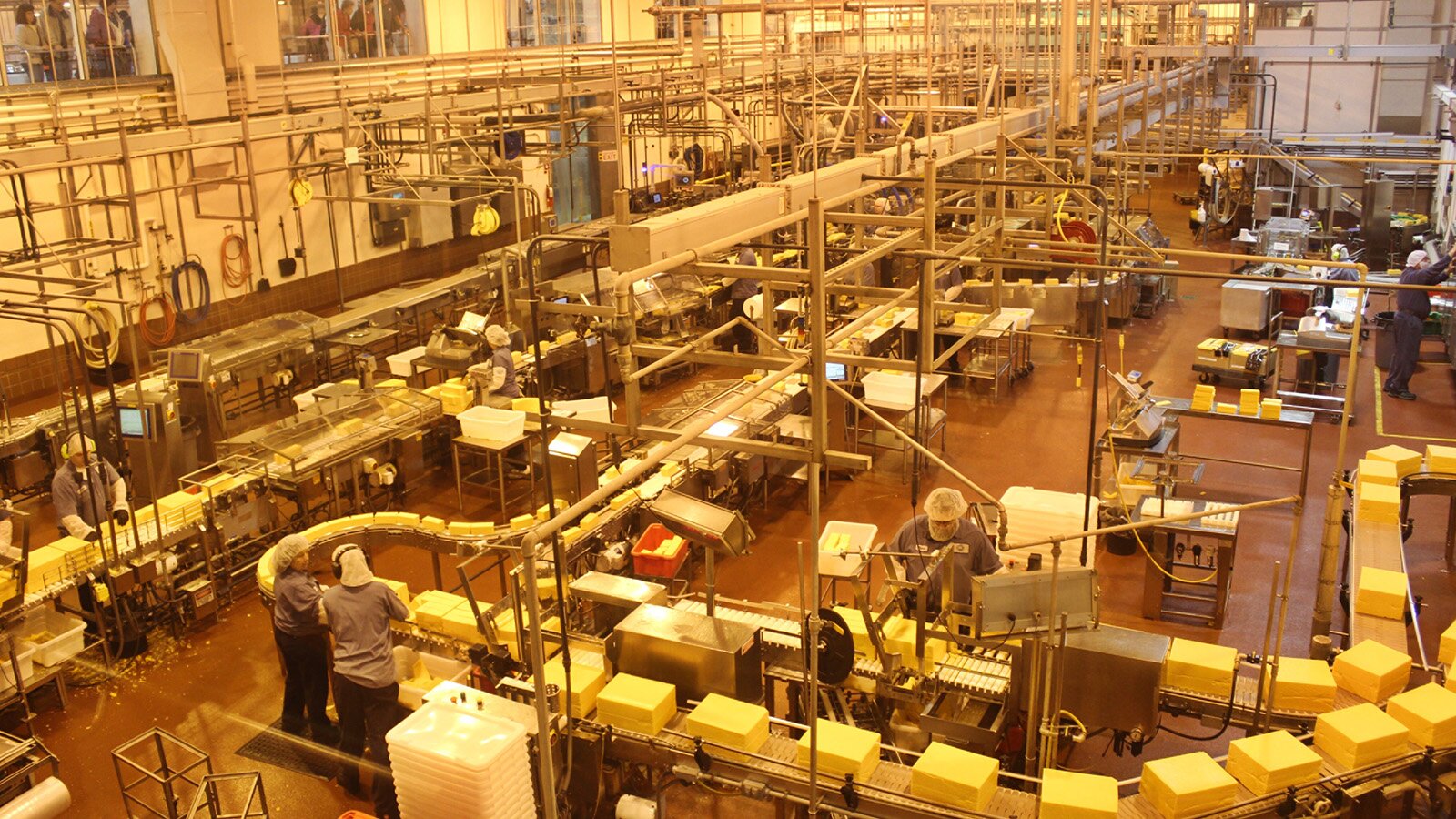
Imagine that you are part of a local convivium and you have recently visited a factory in which workers are creating large, uniform blocks of yellow cheese, which look quite bland and tasteless. Write a short text (100–150 words) describing your visit and commenting on the differences between the industrial cheese production and the slow cheese. Use as many ideas and words from this material as possible.
Exam tip
Wyobraź sobie, że jesteś członkiem/członkinią miejscowej grupy ruchu Slow Food i że niedawno odwiedziłeś/odwiedziłaś wytwórnię serów, w której pracownicy produkują duże, jednakowe bloki żółtego sera. Wydają się one raczej nijakie i bez smaku. Napisz tekst (100–150 wyrazów), w którym opiszesz tę wizytę i wyrazisz opinię na temat różnic między produkcją sera w fabryce a rzemieślniczo na małą skalę. Użyj jak najwięcej wyrażeń i pojęć z tego materiału.
Napisz swoją wypowiedź w języku angielskim. Podpisz się jako XYZ. Rozwiń swoją wypowiedź, tak aby osoba nieznająca polecenia w języku polskim uzyskała wszystkie wskazane w nim informacje. Pamiętaj, że długość wypowiedzi powinna wynosić od 100 do 150 wyrazów.
ReFBmZs89OZK9
Źródło: GroMar Sp. z o.o., licencja: CC BY-SA 3.0.
I have recently visited a dairy factory where I could observe the process of producing cheese. I saw the workers creating large blocks of cheese that surely all taste the same due to the homogenisation process, which means that there is no diversity in those cheeses. Instead, the same block is produced in hundreds of bland, boring copies, ready to be shipped everywhere and sold for a price that is hard to compete against for local cheesemakers. As a result, the local skilled cheesemakers who have the artisanal knowledge and hundreds of recipes and are able to produce a variety of various textures, tastes and cheese types can struggle and, consequently, this knowledge can die out. This is the process that the slow cheese initiative tries to resist. It does that by embracing, protecting and promoting local producers, giving them fair deals and places to sell their produce. It also educates people on the benefits of artisanal products and preserves the heritage of food‑making.
3
Exercise7
The photo below has been taken in a factory in which workers are creating large, uniform blocks of yellow cheese, which look quite bland and tasteless. Imagine that you are part of a local convivium and you have recently visited such a factory. Write a short text (7‑10 sentences) describing your visit and commenting on the differences between the industrial cheese production and the slow cheese. Use as many ideas and words from this material as possible.
R1cyFQpa1hBYX
Zdjęcie przedstawia fabrykę żółtego sera. Jest tam kilka taśm produkcyjnych, przy których stoją ludzie, w ubraniach ochronnych.
Źródło: dostępny w internecie: https://upload.wikimedia.org/wikipedia/commons/4/4a/Tillamook_Cheese_Factory_%2827018209814%29.jpg [dostęp 16.02.2022], domena publiczna.
R1OqBK7h3cGaK
(Uzupełnij).
Źródło: GroMar Sp. z o.o., licencja: CC BY-SA 3.0.
I have recently visited a dairy factory where I could observe the process of producing cheese. I saw the workers creating large blocks of cheese that surely all taste the same due to the homogenisation process. The same block is produced in hundreds of bland, boring copies, ready to be shipped everywhere and sold for a price that is hard to compete against for local cheesemakers. As a result, the local skilled cheesemakers who have the artisanal knowledge and hundreds of recipes might struggle and, consequently, this knowledge can die out.
This is the process that the Slow Cheese initiative tries to resist. It does that by embracing, protecting and promoting local producers, giving them fair deals and places to sell their produce.
It also educates people on the benefits of artisanal products and preserves the heritage of food‑making.
3
Exercise8
After a discussion in class, your teacher asked you to write an essay about the Slow Food movement and how it can help people and the planet. Your essay should have 200‑250 words.
Exam tipazurewhite
Po dyskusji w klasie twój nauczyciel poprosił cię o napisanie rozprawki o ruchu Slow Food i o tym, jak może on pomóc ludziom i planecie.
Twoja wypowiedź powinna liczyć 200‑250 wyrazów.
RgssJ3ZvGzWN1
(Uzupełnij).
Źródło: GroMar Sp. z o.o., licencja: CC BY-SA 3.0.
Perhaps it is ..., but people's attitude .... After decades of fascination ....
People's awareness of .... We notice that .... We know now that ....
Slow food is .... It shows people how .... It promotes .... It is also better ....
Fast food may ..., but in the long run, it .... Slow food is ....
Perhaps it is too early to announce the decline of the fast food era, but people's attitude towards what they put on their plates is definitely changing. After decades of fascination with fast‑food chains, people want to slow down now.
People's awareness of how eating fast affects their lives is improving. We notice that fast‑food chains reinforce hectic and unhealthy lifestyle. We know now that a diet of fat and sugar mixed with cheapest food additives has led us to a pandemic of obesity and other diseases.
Slow food is one of the movements aimed at spreading the philosophy of a sustainable life. It shows people how to appreciate food at all stages, from growing ingredients to preparation of meals and their consumption in the company of friends and family. It promotes healthy choices. It is also better for the planet as it encourages people to buy local products and pay more attention to the environment.
Fast food may be convenient, but in the long run, it leads to poor consequences for both people and the planet. Slow food is a lifestyle worth embracing as it targets well‑being of all involved participants.