Przeczytaj
Sometimes illnesses or injuries can change our life entirely. First there is a fight, then the recovery process. Sometimes it is quick and painless, sometimes it is difficult. A healthy diet, regular exercise, good sleep and support from the ones we love can improve recovery. A positive attitude towards life can help a lot, too. We must remember that sometimes our bodies need more time. The process of recovery is as important as healing.
Czasami choroby lub kontuzje mogą całkowicie zmienić nasze życie. Najpierw jest walka, potem proces powrotu do zdrowia. Bywa, że jest on szybki i bezbolesny, ale zdarza się, że jest trudny. Zdrowa dieta, regularne ćwiczenia, dobry sen i wsparcie ze strony tych, których kochamy, mogą przyspieszyć ten proces. Pozytywne nastawienie do życia również bywa pomocne. Musimy jednak pamiętać, iż nasze ciała potrzebują niekiedy więcej czasu na regenerację. Proces powrotu do zdrowia jest tak samo ważny, jak leczenie.
Match the words with their translations.
Połącz wyrazy z ich tłumaczeniami.
Teenage FightersJames, 14
When I turned 11, I was diagnosed with leukaemialeukaemia which is a kind of cancercancer. At that time I was just an ordinary boy dreaming of becoming a famous footballer. Life was not kind to me back then. I had chemotherapychemotherapy and then an auto‑transplantauto‑transplant. And three boring months in isolation because I was just like a newborn baby. It wasn’t a quick recoveryquick recovery but a slow and difficult one. Step by step, day by day, I did my best to get betterget better. Doctors say cancer can always strike backstrike back. That is why I try to have a healthy lifestyle. I have a nutritious diethave a nutritious diet, drink lots of water, and go to sleep earlygo to sleep early. I try to avoidavoid sweets and junk food. I am not as active as I used to be, but I exercise in moderationexercise in moderation. I always try to feel at easefeel at ease and have plans > for the future. I am not a superhero, but I am definitelydefinitely a fighter.
Anna, 16
I visited my aunt in Rome last winter. When I came back home, I didn’t feel well. I had muscle painmuscle pain, but I thought I was simply tired. I also had a headache and a feverfever appeared. The doctor thought it was the fluthe flu. However, when he heard about Rome he told me and my parents to stay at home, air the roomsair the rooms regularly, and make sure I stayed hydratedstayed hydrated. A day later, I lost my sense of smell and tastesense of smell and taste. That was when I was taken to the hospital. I was tested and… it was the Covid‑19 virus. I got pneumoniapneumonia because of it. After recovering from the illness I was very weak and had trouble walking. The doctors told me to do one thing at a time. It took me two months to take a long walktake a long walk around my town. The key to my [full recovery]> full recovery? Positive thinking, a healthy diet, regular exercise, and time to restrest.
Thomas, 14
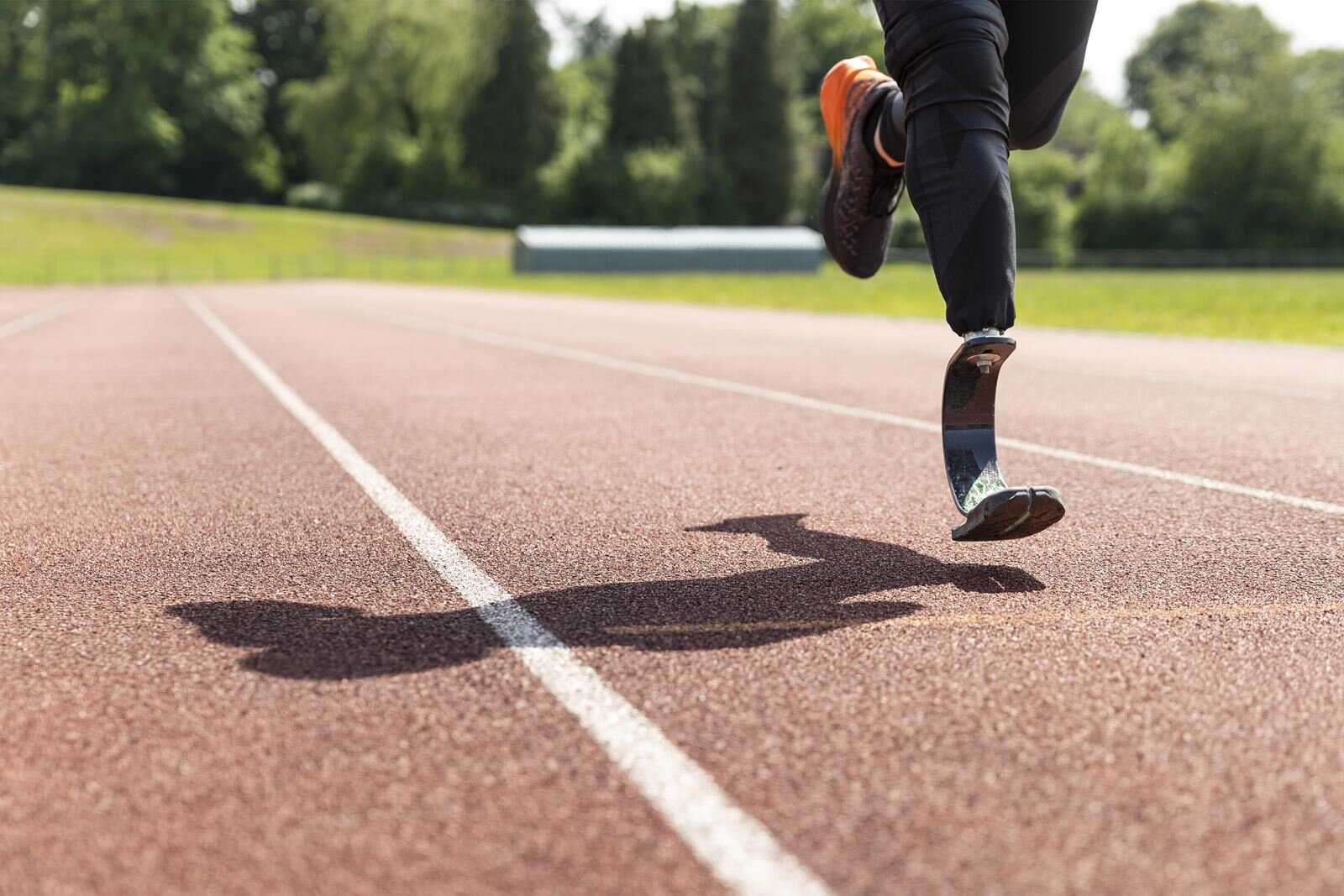
When I was 7 I started training at a local athletics club. My teachers were amazedamazed how good and motivated I was. And then the accidentaccident happened. My dad was driving me back from a competition when a car driven by an elderly manelderly man hit us. When I woke up at the hospital, my parents and plenty of doctors were there. I lost my leg. It was so crushedcrushed they had to amputate it. Luckily, the driver’s insuranceinsurance covered a prosthetic legprosthetic leg and I could start another long journey in my life. Do not think having a prosthetic leg is a piece of cakea piece of cake. Hours of fittingfitting, hours of pain, hours of learning how to walk. In the beginning people told me to get rest fromget rest from sports, but I never did. I never complained and I never gave upgave up. Today, I am a champion in my age category. Doing sports has always been the key to my wellbeingwellbeing. I am an athlete after all.
Źródło: Ela Borowiec, licencja: CC BY-SA 3.0.
Read the text and choose the right title for each story.
Po przeczytaniu tekstu wybierz właściwy tytuł do każdej historii.
Read the text again and decide if the following sentences are true or false.
Ponownie przeczytaj tekst i zdecyduj, czy poniższe zdania są prawdziwe, czy fałszywe.
- James was in great shape after the auto-transplant. TRUEFALSE
- Anna didn’t feel well in Rome. TRUEFALSE
- Thomas became an athlete when he was very young. TRUEFALSE
- James was trying very hard to get better. TRUEFALSE
- Anna’s first symptom of coronavirus was pneumonia. TRUEFALSE
- Thomas has never stopped doing sports. TRUEFALSE
Read the text about Anna again. Then write the missing words to complete the gaps in the text below.
Ponownie przeczytaj tekst o Annie, a następnie przetłumacz wyrazy w nawiasach i uzupełnij luki w poniższych zdaniach.
Read the text again and drag the words to fill in the gaps.
Przeczytaj tekst kolejny raz i uzupełnij właściwymi wyrazami luki w zdaniach.
2. It’s good to try to eat 1. lifestyle, 2. take, 3. recovery, 4. rest, 5. nutritious, 6. moderation food, drink lots of water, and go to sleep early.
3. What is the key to my speedy 1. lifestyle, 2. take, 3. recovery, 4. rest, 5. nutritious, 6. moderation?
4. It took me some time to 1. lifestyle, 2. take, 3. recovery, 4. rest, 5. nutritious, 6. moderation a long walk around the town.
5. I don’t ever want to take a 1. lifestyle, 2. take, 3. recovery, 4. rest, 5. nutritious, 6. moderation from running.
6. I wanted to get better so I started regular exercise in 1. lifestyle, 2. take, 3. recovery, 4. rest, 5. nutritious, 6. moderation.
Słownik
/ ˈæksɪdənt /
wypadek
/ ˈeə ðə ruːmz /
przewietrzyć pomieszczenia
/ əˈmeɪzd /
zaskoczeni
/ ə pi:s əv keɪk /
bułka z masłem
/ əˈvɔɪd /
unikać
/ æthetaˈletɪks ɪˈvent /
zawody lekkoatletyczne
/ ˌɔ:təʊ ˈtrænsplɑːnt /
autoprzeszczep
/ ˈkænsə /
rak, nowotwór (choroba)
/ ˌkiːməʊˈthetaerəpi /
chemioterapia
/ krʌʃt / / krʌʃ /
zmiażdżona [zmiażdżyć]
/ ˈdefɪnətli /
z całą pewnością
/ ˈeldəli thetaɜː /
starszy mężczyzna
/ ɪɡˈzæktli /
dokładnie
/ ˈeksəsaɪz ɪn ˌmɒdəˈreɪʃn̩ /
ćwiczyć z umiarem
/ ˈfiːvə /
gorączka
/ ˈfɪtɪŋ /
przymiarki
/ ˈfʊl rɪˈkʌvəri /
całkowity powrót do zdrowia
/ fiːl ət iːz /
czuć się swobodnie
/ ɡeɪv ʌp / / ɡɪv ʌp /
poddałem/poddałam się [poddawać się]
/ ˈget ˈbetə /
zdrowieć
/ ˈget ˈrest frəm ˈsʌmthetaɪŋ /
odpocząć od czegoś
/ ˈɡəʊ tu sliːp ˈɜːli /
chodzić wcześnie spać
/ həv ə njuːˈtrɪʃəs ˈdaɪət /
stosować pożywną dietę
/ ɪnˈʃʊərəns /
ubezpieczenie
/ luːˈkiːmɪə /
białaczka
/ ˈmʌsl peɪn /
ból mięśni
/ njuːˈməʊniə /
zapalenie płuc
/ prɒsˈthetaetɪk leɡ /
proteza nogi
/ ˈkwɪk rɪˈkʌvəri /
szybki powrót do zdrowia
/ rɪˈkʌvəri /
powrót do zdrowia
/ rest /
odpoczywać
/ ˈsædnəs /
smutek
/ sens əv smel ənd teɪst /
zmysł węchu i smaku
/ ˈstændɪŋ əʊˈveɪʃn̩ /
owacja na stojąco
/ steɪd ˈhaɪdreɪtɪd / / steɪ ˈhaɪdreɪtɪd /
byłam nawodniona [być nawodnionym]
/ ˈstraɪk ˈbæk /
uderzyć ponownie
/ ˈteɪk ə lɒŋ wɔːk /
wybrać się na długi spacer
/ ðə fluː /
grypa
/ ˌwelˈbiːɪŋ /
dobre samopoczucie
Źródło: GroMar Sp. z o.o., licencja: CC BY‑SA 3.0