bg‑azure

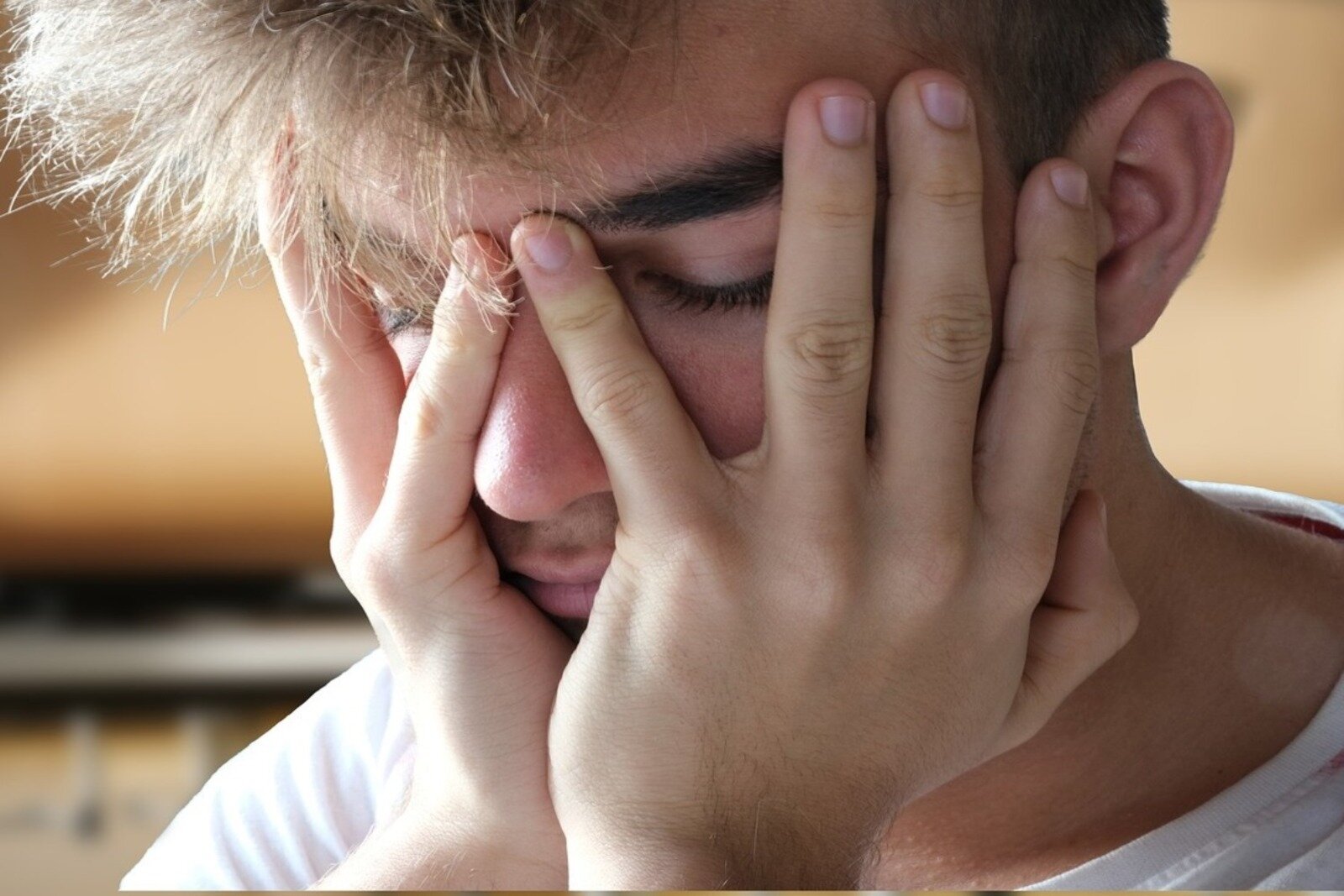
The picture below shows a boy who is feeling unhappy and depressed. Why is he feeling like that? What can he do to get better? Get familiar with the text to find out.

Na poniższym zdjęciu widać chłopaka, który czuje się nieszczęśliwy i przygnębiony. Dlaczego tak jest? Co może zrobić, żeby poczuć się lepiej? Zapoznaj się z tekstem i sprawdź.
R1WpWR075THxd
Take responsibility for your mental health!
Weź odpowiedzialność za swoje zdrowie psychiczne!
Źródło: dostępny w internecie: www.pixabay.com [dostęp 12.04.2022], domena publiczna.
Exercise 1

Get familiar with text A and choose the correct answer.

RHYBmPENiZ6Gv
The aim of text A is to Możliwe odpowiedzi: 1. warn the readers against something., 2. show the disadvantages of something., 3. inform the readers about something.
Źródło: GroMar Sp. z o.o., licencja: CC BY-SA 3.0.

Study the text to learn more about World Mental Health Day and how you can improve your mental health.

Dorota Giżyńska

A. World Mental Health Day

The Covid‑19 pandemic has had a big influence on people’s mental health. The people who were particularly affectedaffectedaffected were frontline health workersfrontline health workers [frontline health worker]frontline health workers, students learning online, singles, and the elderly. The WHO (World Health Organisation) has taken stepstaken steps [take steps]taken steps in order to raise awarenessraise awarenessraise awareness of the problem and empowerempowerempower people to take care of their own mental health and provide supportprovide supportprovide support for others.

World Mental Health Day falls on October 10th. It’s an international day for global mental health awareness and education. It has been celebrated since 1992 in more than 150 countries. In some countries, for example in Australia, the day is part of a whole mental health awareness week. Every year, there is a different themethemetheme for the day. In 2019, the main theme was suicide preventionsuicide preventionsuicide prevention. In 2017, it was mental health in the workplace and in 2012, the day was all about depressiondepressiondepression. The slogan for 2021 was “mental health care for all: let’s make it a reality.” How can you make it a reality, though? What can you do to make it happen? There are simple things you can do on a daily basison a daily basison a daily basis.

B.  Take Care Of Yourself

You can start with being mindfulbeing mindful [be mindful]being mindful. It has been proven that mindfulnessmindfulnessmindfulness can reduce stress and help us managemanagemanage our emotions better. Being mindful means shifting our attentionshifting our attention [shift one’s attention]shifting our attention to the present moment and showing an attitudeattitudeattitude of kindnesskindnesskindness, openness and curiositycuriositycuriosity about what we experience every day. Try not to be judgementaljudgementaljudgemental about your emotions and sensations in the body. Accept them, and do not categorise them into good or bad ones.

Develop self‑acceptanceself‑acceptanceself‑acceptance. Don’t compare yourself to other people. The way we feel about ourselves has a big influence on how resilientresilientresilient we are and how we cope with the ups and downsups and downsups and downs of modern life. ResilienceresilienceResilience is a strategy which we can employemployemploy to cope constructively with difficult situations in life, accept them, and adaptadaptadapt in order to move forward.

Being kind and helping others not only contributes tocontributes to [contribute to]contributes to the happiness of other people but also to our well‑beingwell‑beingwell‑being. Studies show that it gives our brain a boost which activates the reward centrereward centrereward centre in our brains, making us feel good. You need to remember that every small act of kindnessact of kindnessact of kindness is beneficialbeneficialbeneficial: a smile or some kind words. It could be a spontaneous gesturespontaneous gesturespontaneous gesture, or something we do regularly, by volunteering, for example.

Be open to new experiences as learning boosts our creativity and self‑confidence and is rewardingrewardingrewarding. It doesn’t have to be connected with school, but it should be something that you’re passionate about and that helps you hone your skillshone your skillshone your skills. The activities should be joyful and engaging.

Take the time to reflect onreflect onreflect on what you’ve read and think how you can applyapplyapply the information in your everyday life. It’s easier than you think.

1 Źródło: Dorota Giżyńska , licencja: CC BY-SA 3.0.
Exercise 2
RUX62E5AS1jVv
Study the text again and choose the correct answer. 1. The activities of WHO are aimed at
a) enabling people to look after their own mental health.
b) providing mental health support for a selected group of people.
c) all those suffering due to the COVID-19 pandemic at its outbreak.

2. Which sentence is true about World Mental Health Day?
a) It’s a part of mental health week across the globe.
b) Its main themes are depression and suicide.
c) It's an event that is held annually.

3. Mindfulness helps us
a) judge sensations.
b) understand our emotions and body.
c) put emotions into categories.

4. Resilience is about
a) avoiding difficult situations.
b) accepting other people.
c) getting used to new situations.

5. It is proven that being polite
a) triggers a certain part in the brain responsible for happiness.
b) makes you happy provided kindness is returned.
c) is only achieved when giving selfless help.
Źródło: GroMar Sp. z o.o., licencja: CC BY-SA 3.0.
Exercise 3
R1KzCgnFIXmc2
Study the text again and fill in the blog entry with the words from the text. Witajcie! Chciałabym podzielić się dziś z Wami przemyśleniami na bardzo ważny temat. Chodzi o kwestie naszego zdrowia psychicznego. Pandemia COVID-19 miała na nie bardzo duży wpływ. Czy wiecie, że WHO już od 1994 roku organizuje Światowy Dzień Zdrowia Psychicznego – przypadający 10 października – który za każdym razem ma inne hasło przewodnie? Na przykład w 2019 roku głównym tematem było zapobieganie     1. Tu uzupełnij,     a w 2012 roku – depresja. Nieczęsto rozmawiamy o takich sprawach, a okazuje się, że istnieje wiele prostych czynności, które możemy wykonywać     2. Tu uzupełnij,     aby zapobiegać takim problemom. Warto być uważnym i wykazywać się życzliwością, otwartością oraz     3. Tu uzupełnij     w stosunku do tego, czego doświadczamy. Starajmy się nie porównywać z innymi. Dzięki temu rozwiniemy w sobie     4. Tu uzupełnij,     która pozwoli nam lepiej radzić sobie z trudami dnia powszedniego i przystosowywać się do zmian. Bycie uprzejmym nie tylko sprawia, że inni ludzie stają się szczęśliwi, lecz także przyczynia się do naszego     5. Tu uzupełnij.     To mogą być małe spontaniczne gesty oraz regularne czynności, np. branie udziału w     6. Tu uzupełnij.     I ostatnia sprawa: uczenie się – ale nie takie w szkole, tylko rozwijanie swoich pasji i     7. Tu uzupełnij,     sprawiają nam radość i są wciągające. Co o tym myślicie? Czy robicie niektóre z tych rzeczy? A może znacie inne techniki, które wpływają pozytywnie na nasze zdrowie psychiczne? Dajcie znać w komentarzach pod tym postem! Monika
Źródło: GroMar Sp. z o.o., licencja: CC BY-SA 3.0.
Exercise 4
RK4RTrrsQClON
Complete the sentences by typing the missing translations of the Polish expressions in brackets. 1. I have     (podjęłam kroki) Tu uzupełnij     to take care of my mental health. 2. I think we should     (zwiększyć świadomość) Tu uzupełnij      of the importance of mental health in everyday life. 3.     (Przenoszenie naszej uwagi) Tu uzupełnij     to the present moment is the key to mindfulness. 4. The pandemic has     (przyczyniła się do) Tu uzupełnij     more cases of depression among teenagers. 5. There are many simple strategies which you can     (zastosować) Tu uzupełnij     on a daily basis. 6. Sometimes a simple     (dobry uczynek) Tu uzupełnij     can make somebody’s day.
Źródło: GroMar Sp. z o.o., licencja: CC BY-SA 3.0.
Exercise 5
R1L98mSpS3Fbr
Study the sentences and use the word in capitals to form a new word to fill in the gaps. 1. Don’t be so     Tu uzupełnij     about yourself. You don't have to be perfect.     JUDGEMENT 2. The     Tu uzupełnij     of depression among teenagers is a priority for national governments.     PREVENT 3. Being     Tu uzupełnij     helps you deal with stressful situations much better.     MIND 4. Try to develop an attitude of     Tu uzupełnij     towards other people.     KIND 5. Focusing on the present is a difficult but     Tu uzupełnij     activity.     REWARD 6. After you practise mindfulness for some time, you will find it really     Tu uzupełnij.     BENEFIT 7. Schools should     Tu uzupełnij     students to take care of their own mental health.     POWER
Źródło: GroMar Sp. z o.o., licencja: CC BY-SA 3.0.
Exercise 6

Answer the questions. Write 2–3 sentences for each question.

  1. Do you think that World Mental Health Day is a good idea? Why? Why not?

  2. What is mindfulness?

  3. How can you take care of your mental health?

R11EtQ930cKXY
(Uzupełnij).
Źródło: GroMar Sp. z o.o., licencja: CC BY-SA 3.0.

Słownik

act of kindness
act of kindness

/ ˌækt əv ˈkaɪndnəs /

R1JjCSbUcsxmq1
Nagranie dźwiękowe

dobry uczynek (good deed)

RWTvSsHzt5cfU1
Nagranie dźwiękowe
adapt
adapt

/ əˈdæpt /

R1Pj91lcCIQ9V1
Nagranie dźwiękowe

przystosowywać się (get used to a new situation)

R42uRfCZGboLq1
Nagranie dźwiękowe
affected
affected

/ əˈfektɪd /

ROChKpE51hlay1
Nagranie dźwiękowe

dotknięci [dotknięty/dotknięta czymś] (influenced by something or somebody)

R1NUI8mYWDWMY1
Nagranie dźwiękowe
apply
apply

/ əˈplaɪ /

R1bZV9JQZHYUj1
Nagranie dźwiękowe

zastosować (use)

RgRU0jN04uzmj1
Nagranie dźwiękowe
attitude
attitude

/ ˈætɪtjuːd /

Rf428zVHKXim11
Nagranie dźwiękowe

nastawienie (the way of thinking about something or somebody)

RdYwFpGcFCQmv1
Nagranie dźwiękowe
being mindful [be mindful]

/ ˈbiːɪŋ ˈmaɪndfəl / / bi ˈmaɪndfəl /

R1L7cYgKlHWS61
Nagranie dźwiękowe

bycie uważnym/uważną [być uważnym/uważną] (being aware of)

R6r3P2K1E4SZo1
Nagranie dźwiękowe
beneficial
beneficial

/ ˌbenɪˈfɪʃl̩ /

RHLnFUbyVr5Su1
Nagranie dźwiękowe

korzystny/korzystna (favourable)

RjHuc5zhbpGNF1
Nagranie dźwiękowe
contributes to [contribute to]

/ kənˈtrɪbjuːts tuː / / kənˈtrɪbjuːt tuː /

R1aweMjhzFBHm1
Nagranie dźwiękowe

przyczynia się do [przyczyniać się do] (help to cause)

Rhfe5CGEU5vrL1
Nagranie dźwiękowe
curiosity
curiosity

/ ˌkjʊərɪˈɒsɪti /

R15slAZa8eqbR1
Nagranie dźwiękowe

ciekawość (unusual interest)

R1V65oQVxwR4Z1
Nagranie dźwiękowe
depression
depression

/ dɪˈpreʃn̩ /

RhG1MQIwIz3jc1
Nagranie dźwiękowe

depresja (illness that negatively influences the way you feel commonly characterised by persistent sadness and lack of pleasure)

R1GMoJTWy6CJ61
Nagranie dźwiękowe
empower
empower

/ ɪmˈpaʊə /

RhzjtTteijh4Q1
Nagranie dźwiękowe

wzmacniać, upoważniać (make stronger or give the authority to do something)

R1Nfp0PGzIVfB1
Nagranie dźwiękowe
employ
employ

/ ɪmˈploɪ /

RpmXm3AUe4Fgu1
Nagranie dźwiękowe

tu: zastosować (use)

RKKotGHzpFY2k1
Nagranie dźwiękowe
frontline health workers [frontline health worker]

/ ˈfrənˌtlaɪn heltheta ˈwɜːkəz / / ˈfrənˌtlaɪn heltheta ˈwɜːkə /

R1T5qvyLTbEsW1
Nagranie dźwiękowe

pracownicy służby zdrowia pierwszej linii [pracownik/pracownica służby zdrowia pierwszej linii] (health workers who provide care to their communities)

RQ6OUjqtghJiJ1
Nagranie dźwiękowe
hone your skills
hone your skills

/ həʊn jə skɪlz / / həʊn jə skɪl /

Rb1vXp5FgAI1G1
Nagranie dźwiękowe

doskonalić swoje umiejętności (improve skills)

RVj8lhXhdvLTK1
Nagranie dźwiękowe
judgemental
judgemental

/ dʒʌdʒˈmentl̩ /

RjcAJRw3GGRZm1
Nagranie dźwiękowe

krytyczny/krytyczna (having a critical point of view)

Royi92zgl87bI1
Nagranie dźwiękowe
kindness
kindness

/ ˈkaɪndnəs /

RekfrYs7Mqivh1
Nagranie dźwiękowe

życzliwość (being nice and friendly)

R1b7MdQ1FdZLk1
Nagranie dźwiękowe
manage
manage

/ ˈmænɪdʒ /

R1ScL6SnOiIoC1
Nagranie dźwiękowe

zarządzać (be in charge of)

Rtq5Q661mspXA1
Nagranie dźwiękowe
mindfulness
mindfulness

/ ˈmaɪndflnəs /

RdWNN3NqixKJL1
Nagranie dźwiękowe

uważność (being attentive)

R4eU2NUlF524p1
Nagranie dźwiękowe
on a daily basis
on a daily basis

/ ˈɒn ə ˈdeɪli ˈbeɪsɪs /

R2oDopu3Bf2Qd1
Nagranie dźwiękowe

na co dzień, codziennie (something that happens every day)

RRvVIQlppXN6a1
Nagranie dźwiękowe
provide support
provide support

/ prəˈvaɪd səˈpɔːt /

R1Cb9noUAF5Q51
Nagranie dźwiękowe

zapewniać wsparcie (give assistance)

RN6OWaXNNFLeB1
Nagranie dźwiękowe
raise awareness
raise awareness

/ reɪz əˈweənəs /

R1M1u1JynPEqs1
Nagranie dźwiękowe

zwiększyć świadomość (increase knowledge and perception)

RhcBFzTJPwBCn1
Nagranie dźwiękowe
reflect on
reflect on

/ rɪˈflekt ɒn /

RqzvsoHC8HDW81
Nagranie dźwiękowe

zastanawiać się nad (think deeply about)

Rel2xSGymO9zR1
Nagranie dźwiękowe
resilience
resilience

/ rɪˈzɪlɪəns /

R1Awp0Kn0bysK1
Nagranie dźwiękowe

odporność psychiczna (being mentally strong)

R14DV1IE5yKRx1
Nagranie dźwiękowe
resilient
resilient

/ rɪˈzɪlɪənt /

RDLnaOm5JmpvK1
Nagranie dźwiękowe

elastyczni [elastyczny/elastyczna, potrafiący/potrafiąca się dostosować do zmian, odporny/odporna psychicznie] (flexible)

RP6QIZFgXjeNL1
Nagranie dźwiękowe
reward centre
reward centre

/ rɪˈwɔːd ˈsentə /

Ry7vhT6DT54lw1
Nagranie dźwiękowe

ośrodek nagrody (zbiór struktur mózgowych związanych z motywacją i kontrolą zachowania) (a group of brain structures related to motivation and control of behaviour)

RoNZnKYPs0ssO1
Nagranie dźwiękowe
rewarding
rewarding

/ rɪˈwɔːdɪŋ /

RElEKYjeMY4fy1
Nagranie dźwiękowe

przynoszący/przynosząca satysfakcję (giving satisfaction)

R30AAMGv4PLhs1
Nagranie dźwiękowe
self‑acceptance
self‑acceptance

/ ˌself əkˈseptəns /

R1Z3aZHYhYmaH1
Nagranie dźwiękowe

samoakceptacja (act of accepting the way you are)

R1ESGmbof7wAB1
Nagranie dźwiękowe
shifting our attention [shift one’s attention]

/ ˈʃɪftɪŋ ˈaʊər əˈtenʃn̩ / / ʃɪft wʌnz əˈtenʃn̩ /

RCGd8pz5TmfK91
Nagranie dźwiękowe

przenoszenie naszej uwagi [przenosić czyjąś uwagę] (direct your attention to something else)

R17gP2xbRTMNg1
Nagranie dźwiękowe
spontaneous gesture
spontaneous gesture

/ spɒnˈteɪnɪəs ˈdʒestʃə /

RlqJF1Lz472Fw1
Nagranie dźwiękowe

spontaniczny gest (unplanned movement)

RlH0jKFdkoCgI1
Nagranie dźwiękowe
suicide prevention
suicide prevention

/ ˈsjuːɪsaɪd prɪˈvenʃn̩ /

R1HIeLUV28UaC1
Nagranie dźwiękowe

zapobieganie samobójstwom (preventing killing yourself)

R1VViAsasXwqg1
Nagranie dźwiękowe
taken steps [take steps]

/ ˈteɪkən steps / / ˈteɪk steps /

RWKXXmH8lIP831
Nagranie dźwiękowe

podjął/podjęła kroki [podjąć kroki] (start to perform actions)

R11OqiojBVHlL1
Nagranie dźwiękowe
theme
theme

/ thetaiːm /

RueT63K2B72Ra1
Nagranie dźwiękowe

temat, motyw przewodni (main idea of something)

RoPiFB8KD2AxJ1
Nagranie dźwiękowe
ups and downs
ups and downs

/ ʌps ənd daʊnz /

R1Ei90RdnRlfO1
Nagranie dźwiękowe

wzloty i upadki (good and bad things that happen)

RTGL5pPCbKwpo1
Nagranie dźwiękowe
well‑being
well‑being

/ wel ˈbiːɪŋ /

R1YGTKzVOxBzy1
Nagranie dźwiękowe

dobre samopoczucie (feeling healthy and happy)

Rfh91KQhoA2Y71
Nagranie dźwiękowe
R10VJask674lY
(Uzupełnij).
Źródło: GroMar Sp. z o.o., licencja: CC BY-SA 3.0.