Przeczytaj
Newspapers have been the main source of news, information, and opinions for many generations. They come in many types and still have their faithful readers who, despite the global shift to the medium of the internet, keep buying and reading paper publications of their favourite titles. You are going to read a text about the types of press publications, what challenges they have been undergoing, and what their possible future may be.
Gazety są głównym źródłem aktualności, informacji i opinii dla przedstawicieli wielu pokoleń. Występują w różnych odmianach i wciąż mają swoich wiernych czytelników, którzy pomimo globalnego odpływu odbiorców do przestrzeni internetowej wciąż kupują i czytają papierowe wydania swoich ulubionych tytułów. Przeczytasz tekst o rodzajach publikacji prasowych, wyzwaniach, z jakimi się zmagają, oraz o tym, co może przynieść im przyszłość.
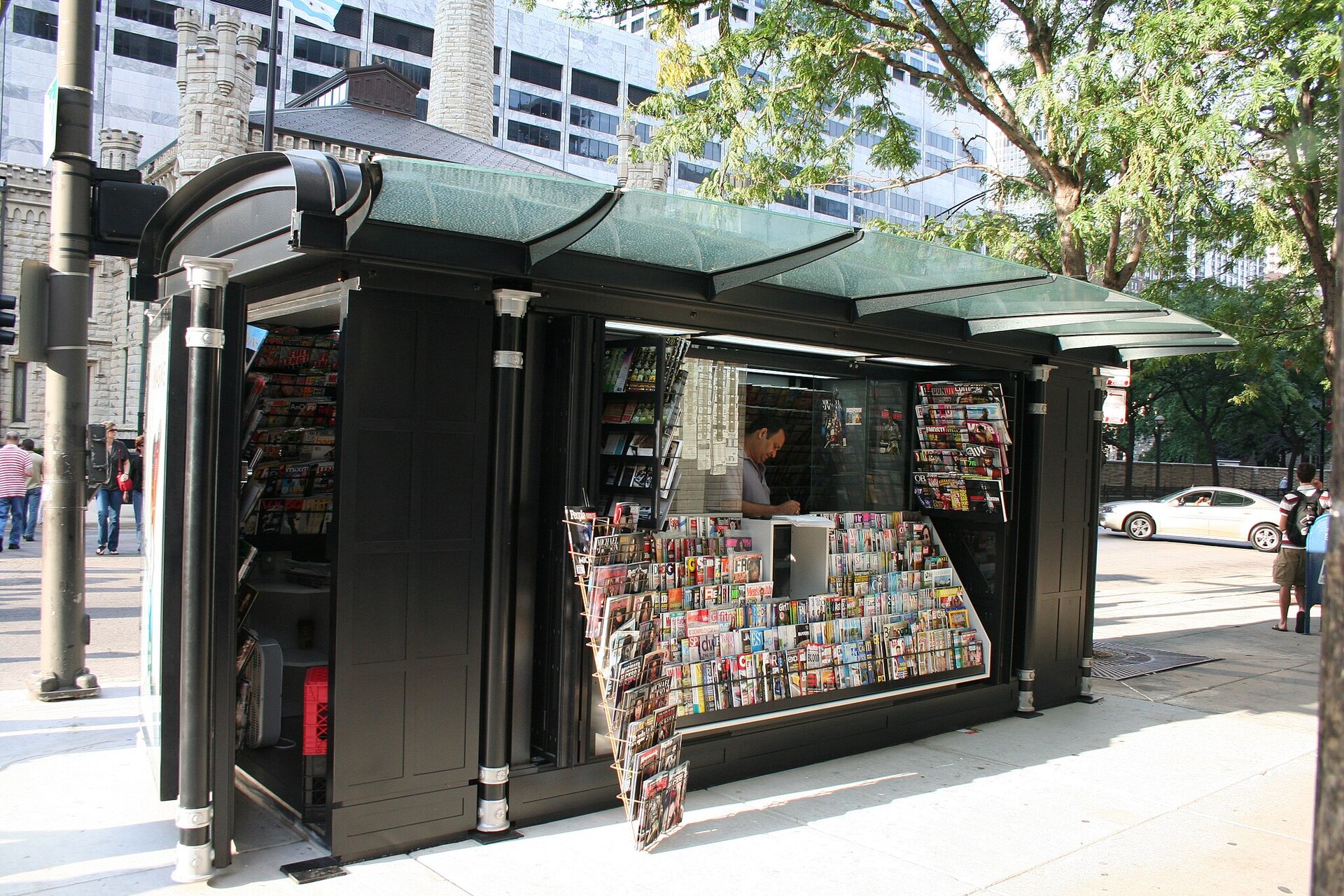
Read the text about the types of press publications, their challenges and the possible future of the press market, then do the exercises below.
The Endangered Species of NewspapersMedia experts have now been foreshadowingforeshadowing the decline of classic newspapers for decades. The onset of internet‑based social media platforms and other alternatives to paper publications seems to be a serious threat to the traditional papers. However, print journalismprint journalism has continued to be popular among many readers despite other, readily available options. It appears that newspapers are still not a thing of the past after all. What types of newspapers are available on the market and how are they different from one another?
A type of newspaper that is very popular is a tabloidtabloid. The term usually refers to a small format publication, measuring around 30 by 40 centimetres, featuring no more than five columnscolumns of text across. The size is quite practical, allowing city dwellers to take the paper with them and read it on a bus or underground. One of the very first tabloids in the world, The New York Sun, started in 1833 costing only one penny. Since that time, tabloids have, of course, become more expensive, but they are still affordableaffordable to nearly anyone. Their front page newsfront page news often include argumentative statementsargumentative statements and they usually focus on sensational crime reportssensational crime reports, gossip from the world of celebritiesgossip from the world of celebrities, film reviewsfilm reviews, and articles on catchy social issuesarticles on catchy social issues presented in a simplified way. Many celebrities compete to be on the coverbe on the cover of well‑known tabloids and magazines. In Britain, tabloid papers are also known as „red topsred tops” for their front‑page headlinesfront‑page headlines printed in red.
BroadsheetsBroadsheets, in turn, are usually aimed at fairly affluentaffluent, educated readers. They used to be very large in size, measuring around 40 by 50 centimetres. This featurefeature, however, has been gradually reduced due to the rising printing costsprinting costs and most of them preserved their broad sheets only in their name. Apart from the cover, broadsheet tend to feature six columns and are editededited to take a traditional approach to news gatheringnews gathering that emphasises in‑depth coveragein‑depth coverage and an objective writing toneobjective writing tone in articles and editorialseditorials. Subjects such as political issues, global economy, and cultural news are often discussed on the front pagesfront pages of well‑known titleswell‑known titles, such as The Washington Post or The Daily Telegraph.
Due to the changes in the readers’ demand and preferencesreaders’ demand and preferences, many of the traditional newspaperstraditional newspapers, both tabloids and broadsheet titles, have been forced to make a move to the world of the internet. Numerous reputable publicationsreputable publications operate now electronically as subscription‑basedsubscription‑based variants of their paper counterpartspaper counterparts. The size and form of the text becomes less significant and quite similar in all types of electronic newspaperselectronic newspapers. However, they tend to preserve their established character and tone as they are still addressed to different groups of readers. Still, many internet users prefer independent, free‑to‑use options, such as social media or RSS news readers as having to pay for reading the news does not seem appealing. Will professional journalismprofessional journalism survive the times when any smartphone owner with access to the internet can become a publisher? Time will tell.
Źródło: Marcin Legeżyński, licencja: CC BY-SA 3.0.
a) have announced that the world of paper press has ended.
b) state that extremely small number of people read paper press.
c) have made predictions that don’t seem to be true.
2. Most tabloids
a) are published in a size that is easy to carry around.
b) have begun being popular in the 20th century.
c) focus on quality reviews of political issues.
3. The size of broadsheet papers
a) has not changed much in the recent years.
b) allows for the publication of the same number of columns as in tabloids.
c) allows for more columns than in tabloids.
4. Many paper publications have made a move to internet-based forms
a) due to cost-savings tendencies.
b) because the readers’ customs have changed.
c) to make their content available in more countries.
5. The article
a) states that the character of press titles is changing as they are moving to the internet.
b) deems that professional reporters will not be needed when anyone can post stories on social media.
c) wonders whether traditional press is able to get by in the changing world.
2. The cost of printing tabloids has reduced dramatically since the first publication. TRUEFALSE
3. The tabloids’ front page news features mostly photos and not many statements. TRUEFALSE
4. “Red tops” is another name for tabloids all over the world. TRUEFALSE
5. Broadsheets usually take a calmer tone in their articles. TRUEFALSE
Reread the text and evaluate the types of press publications describing their pros and cons. In your text, focus on the quality of the newspaper content, the topics of articles, and how practical each type of press publication is.
Słownik
/ ˈæfluənt /
zamożny/zamożna (having a great deal of money)
/ əˈfɔːdəbl̩ /
w przystępnej cenie (reasonably priced)
/ ˌɑːɡjuˈmentətɪv ˈsteɪtmənts / / ˌɑːɡjuˈmentətɪv ˈsteɪtmənt /
hipotezy do dalszego udowodnienia [hipoteza do dalszego udowodnienia] (a hypothesis to be further proven)
/ ˈɑːtɪkl̩z ˈɒn ˈkætʃi ˈsəʊʃl ˈɪʃuːz / / ˈɑːtɪkl̩ ˈɒn ˈkætʃi ˈsəʊʃl ˈɪʃuːz /
artykuły o chwytliwych problemach społecznych [artykuł o chwytliwych problemach społecznych](an article on gripping social issues)
/ bi ˈɒn ðə ˈkʌvə /
być na okładce (to appear on the cover of a newspaper)
/ ˈbrɔːdʃiːtz / / ˈbrɔːdʃiːt /
gazety dużego formatu, zwykle kojarzone z wysoką jakością artykułów [gazeta dużego formatu, zwykle kojarzona z wysoką jakością artykułów] (a newspaper with a large format, regarded as more serious and less sensationalist than tabloids)
/ ˈkɒləmz / / ˈkɒləm /
kolumny [kolumna] (a vertical division of a page or text)
/ ˈkʌvə /
okładka (the front page of a newspaper)
/ ˈedɪtɪd / / ˈedɪt /
edytowane [edytować] (to prepare written material for publication)
/ ˌedɪˈtɔːrɪəl peɪdʒ /
strona redakcyjna (the page in a newspaper which often features letters to the editor from members of the public)
/ ˌedɪˈtɔːrɪəlz / / ˌedɪˈtɔːrɪəl /
artykuły redakcyjne [artykuł redakcyjny] (a newspaper article expressing the editor’s opinion on a topical issue)
/ ˌelekˈtrɒnɪk ˈnjuːspeɪpəz / / ˌelekˈtrɒnɪk ˈnjuːspeɪpə /
gazety elektroniczne [gazeta elektroniczna]
/ ˈfiːtʃə /
przedstawiać (to present something)
/ feləʊ ˈkɒləmnɪsts / / feləʊ ˈkɒləmnɪst /
koledzy felietoniści / koleżanki felietonistki [kolega felietonista / koleżanka felietonistka] (a collegue columnist)
/ fɔːˈʃædəʊɪŋ / / fɔːˈʃædəʊ /
zapowiada [zapowiadać] (to be a warning or indication of something; to predict something)
/ fɪlm rɪˈvjuːz / / fɪlm rɪˈvjuː /
recenzje filmów [recenzja filmu]
/ frʌnt peɪdʒ njuːz /
wiadomości z pierwszych stron gazet (information written on a front page)
/ frʌnt ˈpeɪdʒɪz / / frʌnt peɪdʒ /
pierwsze strony [pierwsza strona] (first page of a newspaper)
/ ˈfrʌntˈpeɪdʒ ˈhedlaɪnz / / ˈfrʌntˈpeɪdʒ ˈhedlaɪn /
nagłówki z pierwszych stron gazet [nagłówek z pierwszej strony gazety] (a heading at the top of an article on the cover of a newspaper)
/ ˈɡɒsɪp frəm ðə ˈwɜ:ld əv sɪˈlebrɪtɪz /
plotki ze świata celebrytów (rumors from the celebrities’ world)
/ ɪn ˈdeptheta ˈkʌvərɪdʒ /
dogłębny reportaż (the reporting covering many or all important points of a subject)
/ njuːz ˈɡæðərɪŋ /
zbieranie wiadomości (the process of collecting information)
/ əbˈdʒektɪv ˈraɪtɪŋ təʊn /
obiektywny ton artykułów (an impartial style of writing articles)
/ peɪpər ˈkaʊntəpɑːts / / peɪpər ˈkaʊntəpɑːt /
papierowe odpowiedniki [papierowy odpowiednik] (a paper equivalent)
/ ˈprɪnt ˈdʒɜːnəlɪzəm /
dziennikarstwo prasowe (the profession or practice of reporting news for newspapers)
/ ˈprɪntɪŋ kɒsts / / ˈprɪntɪŋ kɒst /
koszty druku [koszt druku] (printing expenses)
/ prəˈfeʃnəl ˈdʒɜːnəlɪzəm /
profesjonalne dziennikarstwo (ethically practised journalism)
/ ˈriːdəz dɪˈmɑːnd ənd ˈprefrənsɪz /
popyt i preferencje czytelników
/ ˈred tɒps / / ˈred tɒp /
brytyjskie tabloidy o czerwonych nagłówkach [brytyjski tabloid o czerwonym nagłówku]
/ ˈrepjʊtəbl̩ ˌpʌblɪˈkeɪʃn̩z / / ˈrepjʊtəbl̩ ˌpʌblɪˈkeɪʃn̩ /
cenione publikacje [ceniona publikacja] (a valuable publication)
/ sɪnˈseɪʃn̩əl kraɪm rɪˈpɔːts / / sɪnˈseɪʃn̩əl kraɪm rɪˈpɔːt /
sensacyjne raporty o przestępczości [sensacyjny raport o przestępczości] (a crime report of great public interest)
/ səbˈskrɪpʃn̩ beɪst /
w oparciu o subskrypcję (a payment structure that allows a customer to purchase something)
/ ˈtæblɔɪd /
tabloid (rodzaj gazety) (a newspaper having pages half the size of those of a the average broadsheet, typically popular in style and dominated by sensational stories)
/ trəˈdɪʃn̩əl ˈnjuːspeɪpəz / / trəˈdɪʃn̩əl ˈnjuːspeɪpə /
tradycyjne gazety [tradycyjna gazeta] (a printed newspaper)
/ ˈwel nəʊn ˈtaɪtl̩z / / ˈwel nəʊn ˈtaɪtl̩ /
dobrze znane tytuły [dobrze znany tytuł] (recognisable titles)
Źródło: GroMar Sp. z o.o., licencja: CC BY‑SA 3.0