Przeczytaj
You’ve surely experienced extreme weather before. Even if not, you probably have basic knowledge of such weather events like hurricanes, floods or wildfires. Do you know what causes them? More importantly, can you tell whether they’ll get more frequent in the future? Read the text in this section to find out what climate experts have to say about this.
Zapewne doświadczyłeś/doświadczyłaś kiedyś ekstremalnych zjawisk pogodowych. A nawet jeśli nie, to prawdopodobnie znasz najważniejsze fakty dotyczące tego, jak powstają huragany, powodzie lub pożary lasów. Czy wiesz, co jest ich przyczyną? I wreszcie: czy potrafisz ocenić, czy w przyszłości takie sytuacje będą zdarzały się częściej? Przeczytaj tekst w tej sekcji, aby dowiedzieć się, co eksperci do spraw klimatu mają do powiedzenia na ten temat.
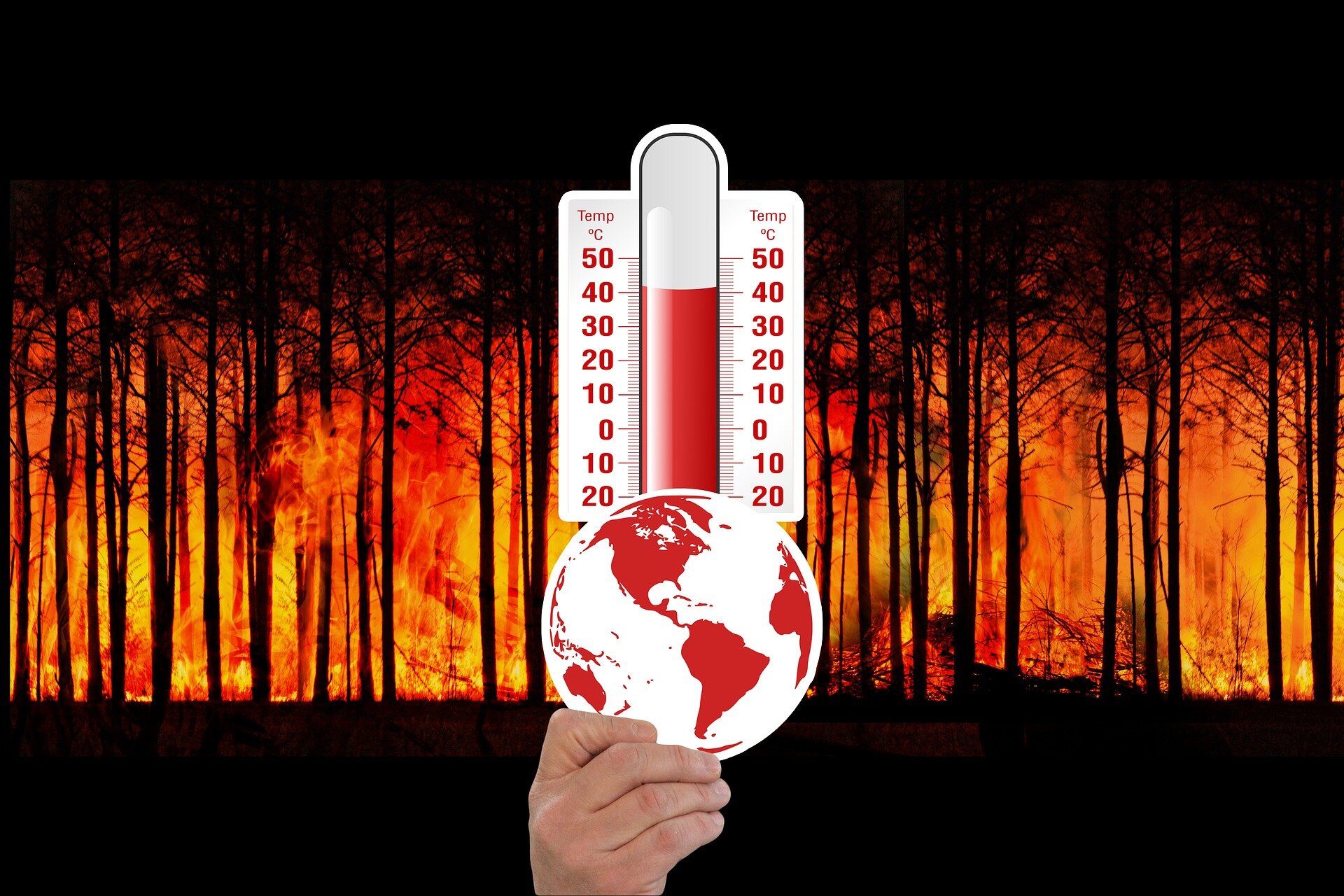
How much do you know about extreme weather? Pick the answers that seem true to you.
Analyse the graphs about extreme weather and choose the correct answer in each point.
Read the text about the causes and effects of extreme weather. Then do the exercises below.
Will Extreme Weather Get Worse?No matter where you live on Earth, you’ve probably experienced extreme weatherextreme weather. Maybe you’ve suffered through a heatwaveheatwave or maybe you’ve looked outside the window and said “it looks like it will snow” only to be greeted bybe greeted by a blizzardblizzard.
Some extreme weather events happen due to natural causesnatural causes, such as changes in the atmospheric pressurechanges in the atmospheric pressure or in the movement of airmovement of air. However, research shows that human activityhuman activity has an immense effect onhas an immense effect on the climate and, as a consequence, on extreme weather. In fact, things are only going to get worse unless we do something to halt climate changehalt climate change.
So, how does climate affectaffect weather? SeverelySeverely, experts say. Over the past century, humans have polluted the atmospherepolluted the atmosphere with carbon dioxidecarbon dioxide, methanemethane and other greenhouse gasesgreenhouse gases. They have caused global temperatureglobal temperature to rise. In turn, the temperature spiketemperature spike has started affecting extreme weather events, especially those linked to heat, which now happen more frequently and are more dangerous. Unfortunately, experts predictpredict that we’re going to experience a climate catastropheclimate catastrophe within the next 50 years if nothing changes.
What will the weather look like if no changes occur? In short, the dry areas of the world will only get drier and the wet areas will only get wetter. Places affected byaffected by extreme weather, such as droughtsdroughts, will have to deal with megadroughtsmegadroughts that leave the soil unusableleave the soil unusable. Sea levels will rise and lead to floodingflooding. We will also experience frequent torrential raintorrential rain that has similarly dire consequencessimilarly dire consequences. Regions dealing with wildfireswildfires will see more and more severe fire seasons which affect humans and nature alike. Those who experience heatwaves will have to brace themselvesbrace themselves for temperatures that many humans simply cannot withstandcannot withstand. Not to mention hurricaneshurricanes and cyclonescyclones which will happen more frequently and lead to massive lossesmassive losses both in people and infrastructureinfrastructure.
In short, extreme weather will get worse and we will suffer the consequencessuffer the consequences. That’s why it’s so important for us to act now. Moving beyond fossil fuelsMoving beyond fossil fuels and investing in clean energyinvesting in clean energy are some of the most important steps to take. However, we’re going to have to do more than that. If we want to survive, we should also do our best to protect climate forestsprotect climate forests, including the Amazon, and promote an eco‑lifestylepromote an eco‑lifestyle that can and will affect how our future looks.
Źródło: Zuzanna Kościuk, licencja: CC BY-SA 3.0.
Answer the question below in 3–4 sentences.
In your opinion, what can we do to stop climate change and avoid even more extreme weather?
a) The weather is going to get worse.
b) I believe the weather will get worse.
2. After years of research, weather experts can predict the future of extreme weather events. What do you say?
a) According to experts, extreme weather events are going to be more frequent.
b) According to experts, extreme weather events will be more frequent.
3. You’re making a promise to your friend to visit them after the blizzard passes. What do you say?
a) I promise I’ll visit you as soon as the blizzard passes.
b) I promise I’m going to visit you as soon as the blizzard passes.
4. The tornado is coming and you order your friends to stay in the cellar. What do you say?
a) You’re going to stay in the cellar.
b) You will stay in the cellar.
5. Your friend is asking you to come out despite the heatwave. They convinced you. What do you say?
a) OK, I’ll come out.
b) I’m going to come out.
6. Your grandma is asking you to come over, but you’ve already made plans to stay home due to the weather. What do you say?
a) I’m sorry but I’m going to stay home due to the weather.
b) I’m sorry but I’ll stay home due to the weather.
- Look at the weather! We won’taren’t going to go out unless it gets better.
- The fact is that dry areas willare going to get drier with time.
- We’ve already established we willare going to stay home during the heatwave.
- I think the heatwave this year willis going to be terrible.
- Based on the available data, extreme weather willis going to get worse with time.
- I don’t care what anyone says. You won’taren’t going to go out during the blizzard.
- Will youare you going to stay inside since it rains heavily, please?
Słownik
/ əˈfekt /
oddziaływać na, mieć wpływ na
/ əˈfektɪd baɪ /
dotknięty/dotknięta (np. klęską)
/ bi ˈɡriːtɪd baɪ /
być przywitanym/przywitaną przez
/ ˈblɪzəd /
zamieć śnieżna, śnieżyca
/ breɪs ðəmˈselvz / / breɪs wʌnˈself /
przygotowują się na [przygotować się na]
/ ˈkænɒt wɪðˈstænd /
nie być odpornym/odporną (tu: na wysokie temperatury)
/ ˈkɑ:bən daɪˈɒksaɪd /
dwutlenek węgla
/ ˈtʃeɪndʒɪz ɪn ði ˌætməsˌferɪk ˈpreʃə / / tʃeɪndʒ ɪn ði ˌætməsˌferɪk ˈpreʃə /
zmiany w ciśnieniu powietrza [zmiana w ciśnieniu powietrza]
/ ˈklaɪmət kəˈtæstrəfi /
katastrofa klimatyczna
/ ˈsaɪkləʊnz / / ˈsaɪkləʊn /
cyklony [cyklon]
/ ˈdaɪə ˈkɒnsɪkwənsɪz / / ˈdaɪə ˈkɒnsɪkwəns /
tragiczne konsekwencje [tragiczna konsekwencja]
/ ˈdraʊts / / ˈdraʊt /
susze [susza]
/ ɪkˈstriːm ˈweðə /
ekstremalna pogoda
/ flʌd /
powódź
/ ˈflʌdɪŋ / / flʌd /
zalanie [zalewać]
/ ˈɡləʊbl̩ ˈtemprətʃə /
globalna temperatura
/ ˈɡriːnhaʊs ˈɡæsɪz / / ˈɡriːnhaʊs ɡæs /
gazy cieplarniane [gaz cieplarniany]
/ hɔːlt ˈklaɪmət tʃeɪndʒ /
zatrzymać zmianę klimatu
/ ˈhæz ən ɪˈmens ɪˈfekt ɒn / / həv ən ɪˈmens ɪˈfekt ɒn /
ma olbrzymi wpływ na [mieć olbrzymi wpływ na]
/ ˈhiːtweɪv /
fala upałów
/ ˈhjuːmən ækˈtɪvəti /
ludzka działalność
/ ˈhʌrɪkənz / / ˈhʌrɪkən /
huragany [huragan]
/ ˈɪnfrəstrʌktʃə /
infrastruktura
/ ɪnˈvestɪŋ ɪn ˈkli:n ˈenədʒi / / ɪnˈvest ɪn ˈkli:n ˈenədʒi /
inwestowanie w czystą energię [inwestować w czystą energię]
/ ˈli:v ðə soɪl ˌʌnˈjuːzəbl̩ /
pozostawić glebę niezdatną do użycia
/ ˈmæsɪv ˈlɒsɪz / / ˈmæsɪv lɒs /
wielkie straty [wielka strata]
/ ˈmɛg əˌdraʊts / / ˈmɛg əˌdraʊt /
megasusze [megasusza] (droughts which last for a long time)
/ ˈmiːthetaeɪn /
metan
/ ˈmuːvmənt əv ˈeə /
ruch powietrza
/ ˈmuːvɪŋ bɪˈjɒnd ˈfɒsl̩ ˈfjuːəlz / / muːv bɪˈjɒnd ˈfɒsl̩ ˈfjuːəlz /
wykraczanie poza paliwa kopalne [wykraczać poza paliwa kopalne]
/ ˈnætʃrəl ˈkɔːzɪz / / ˈnætʃrəl kɔːz /
przyczyny naturalne [przyczyna naturalna]
/ pəˈluːtɪd ði ˈætməsfɪə / / pəˈluːt ði ˈætməsfɪə /
zanieczyściły atmosferę [zanieczyścić atmosferę]
/ prɪˈdɪkt /
przewidzieć
/ prəˈməʊt ən ˈiːkəʊ ˈlaɪfstaɪl /
propagować ekologiczny styl życia
/ prəˈtekt ˈklaɪmət ˈfɒrɪsts / / prəˈtekt ə ˈklaɪmət ˈfɒrɪst /
chronić lasy klimatyczne [chronić las klimatyczny]
/ sɪˈvɪəli /
ciężko, poważnie
/ ˈsʌfə ðə ˈkɒnsɪkwənsɪz /
ponosić konsekwencje
/ ˈtemprətʃə ˈspaɪk /
nagły wzrost temperatury
/ təˈrenʃl̩ ˈreɪn /
rzęsisty deszcz
/ ˈwaɪldfaɪəz / / ˈwaɪldfaɪə /
pożary [pożar] (lasów)
Źródło: GroMar Sp. z o.o., licencja: CC BY‑SA 3.0