Przeczytaj
Would you like to spend a night at the Natural History Museum? There are many attractions for children who like adventures. You will read a text about a sleepover at this museum. Would you like to try it?
Czy spędzenie nocy w Muzeum Historii Naturalnej brzmi dla ciebie kusząco? Muzeum oferuje wiele atrakcji dla dzieci, które lubią przygody. Przeczytasz tekst o grupie osób, która miała okazję spędzić noc w tym muzeum. Czy chciałbyś/chciałabyś doświadczyć czegoś takiego?
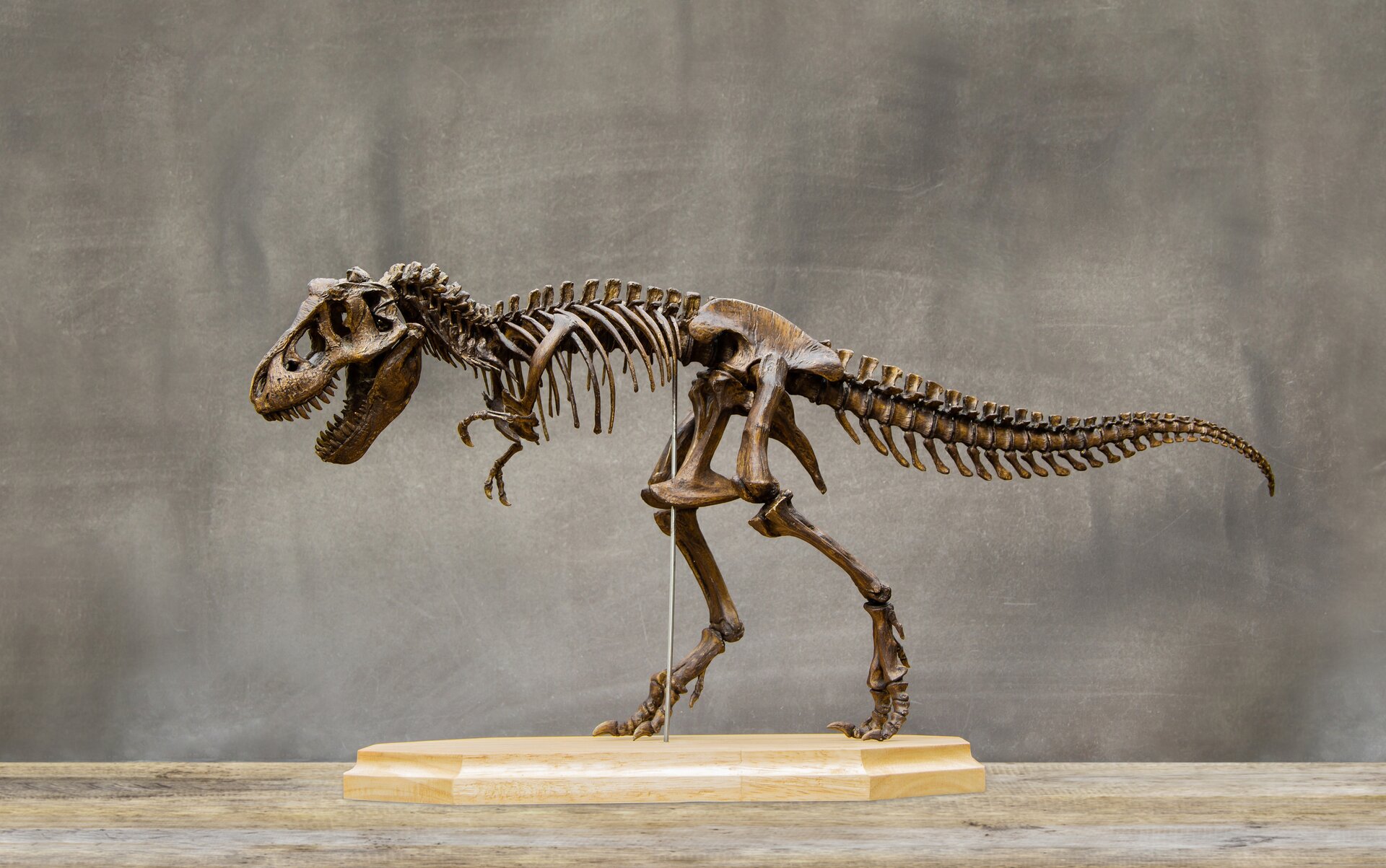
Drag the words to fill in the gaps in the text about a museum.
Przeciągnij wyrazy w odpowiednie luki, aby uzupełnić tekst o muzeum.
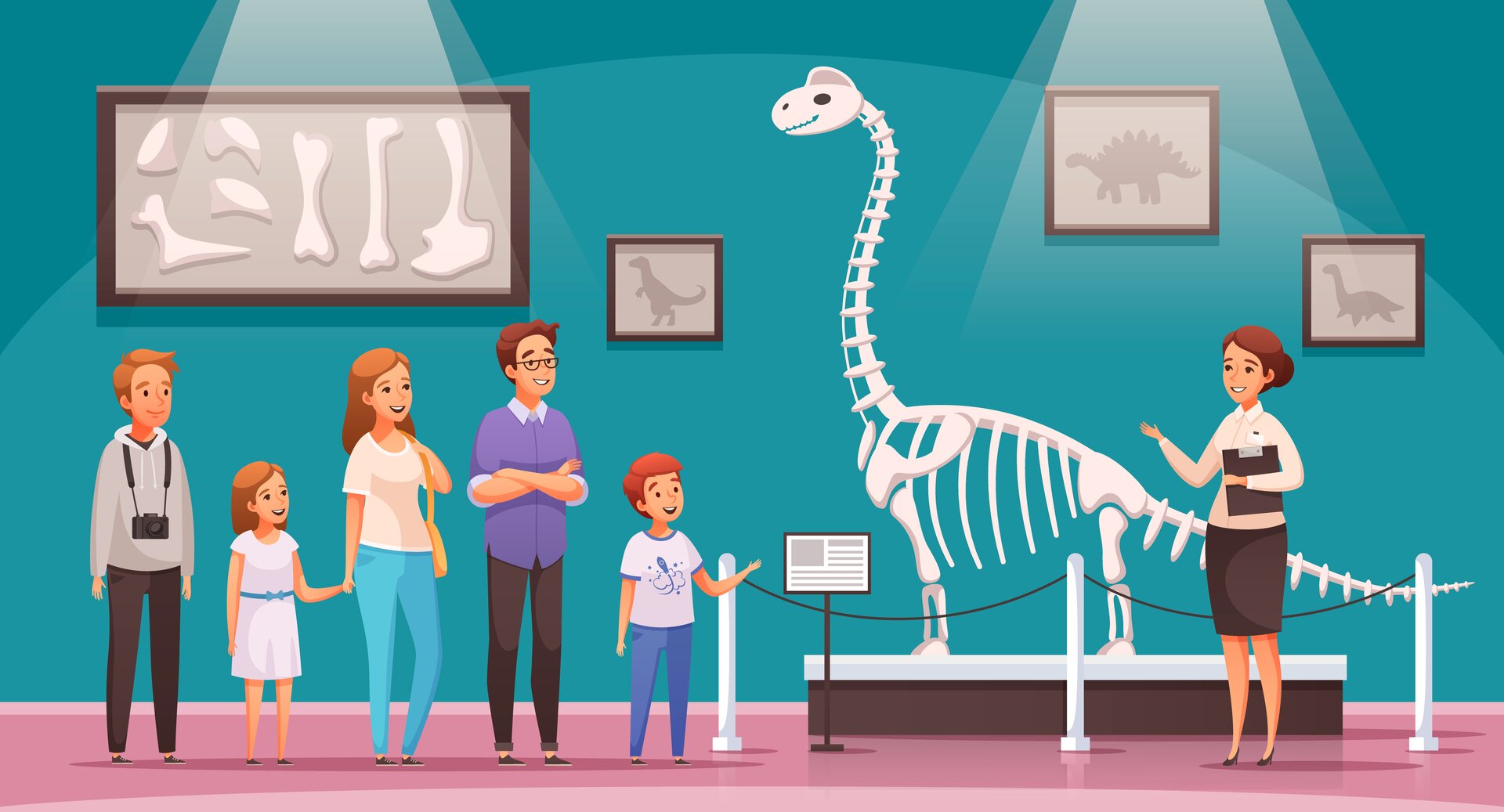
Look at the picture. Then drag and drop the words below to form logical sentences.
Popatrz na ilustrację, a następnie przeciągnij i upuść poniższe wyrazy, aby utworzyć logiczne zdania.
Read the text below about a night at the Natural History Museum to find out what attractions there are.
Przeczytaj tekst o nocy spędzonej w Muzeum Historii Naturalnej, aby dowiedzieć się, jakie są tam atrakcje.
A Night at the MuseumOn Friday, we were at a museum. It wasn’t a typical school trip with my classmates. We were on a special sleepoversleepover at the Natural History MuseumNatural History Museum! It was just great because we were learning about the natural worldnatural world inside the museum!
The museum sleepover started at 7 in the evening. Do you know that there are four zoneszones at the museum: blue, green, red and orange? We were in the blue zone with many interesting galleries. There were animals like elephants, tigers and bears. First, there was a scavenger huntscavenger hunt. We all got torchestorches and the game started. We were running along the galleries. It was fun because we were looking forwere looking for small plastic figures of elephants, tigers, crocodiles and fish.
Then there was a scientistscientist waiting for us in the Dinosaurs gallery. He was wearing a T. Rex costumeT. Rex costume. Do you know this dinosaur? The T.Rex was a very dangerous dinosaur. We were listening quietlyquietly while the scientist was telling us all about dinosaurs. We learned what the dinosaurs looked likelooked like, what they were eating and how they lived. It was so cool!
The best thing was that there were real dinosaurs’ skeletons! We were walking around Tyrannosaurus RexTyrannosaurus Rex and DiplodocusDiplodocus. We could also see the bones of many other big dinosaurs.
We were also creativecreative because there were dinosaur T‑shirts for us to decoratedecorate. Many of my classmates were painting T.Rex but I was painting Triceratops because it is my favourite dinosaur.
At midnightAt midnight, we went to the Images of Nature galleryImages of Nature gallery. There were amazing pictures and paintings of nature and… sleeping bagssleeping bags waiting for us! That gallery was our bedroom. We fell asleepfell asleep quickly. We slept really well.
In the morning, there was breakfast at a T.Rex Restaurant. WhileWhile we were eating pancakes in the shape of dinosaurs, our parents came. What was I doing on the way home? Was I sleeping? No, I wasn’t. I was telling my parents all about the night at the museum.
Źródło: Ela Borowiec, licencja: CC BY-SA 3.0.
Read the sentences and put them in the order they happened during the night at the museum.
Przeczytaj zdania i ułóż je w takiej kolejności, w jakiej zaszły wydarzenia podczas nocy w muzeum.
Read the text about the night at the museum again. Then write the missing words to complete the gaps in the text below.
Przeczytaj ponownie tekst o nocy spędzonej w muzeum. Następnie wpisz brakujące wyrazy, aby uzupełnić luki w poniższym tekście.
Read the sentences and choose was/were or wasn’t/weren’t.
Przeczytaj zdania i wybierz odpowiednią formę czasownika „być” w czasie przeszłym.
2. We was were running at the museum.
3. Was Were you sleeping at the museum all night yesterday?
4. He wasn’t weren’t chatting while the teacher was were explaining.
5. They wasn’t weren’t eating breakfast when their parents came.
6. Was Were she dancing at the party at 8 p.m.?
Order the words to make correct Past Continuous tense sentences.
Uporządkuj wyrazy, aby ułożyć poprawne zdania w czasie Past Continuous.
Słownik
/ ət ˈmɪdnaɪt /
o północy
/ kriːˈeɪtɪv /
kreatywny/kreatywna
/ ˈdekəreɪt /
ozdabiać
/ dɪˈplɒdəkəs /
diplodok (gatunek dinozaura)
/ fel əˈsliːp / / fɔːl əˈsliːp /
zasnęliśmy/zasnęłyśmy [zasypiać]
/ ˈɪmɪdʒɪz əv ˈneɪtʃə ˈɡæləri /
galeria obrazów przyrodniczych
/ ˈlʊkt ˈlaɪk / / ˈlʊk ˈlaɪk /
wyglądali/wyglądały [wyglądać]
/ ˈnætʃrəl ˈhɪstr̩i mjuːˈzɪəm /
Muzeum Historii Naturalnej
/ ˈnætʃrəl wɜːld /
świat przyrody
/ ˈkwaɪətli /
cicho
/ ˈskævɪndʒə hʌnt /
gra, w której uczestnicy muszą uzbierać zestaw różnych przedmiotów
/ ˈsaɪəntɪst /
naukowiec/naukowczyni
/ ˈsli:pɪŋ bægz / / ˈsli:pɪŋ bæg /
śpiwory [śpiwór]
/ ˈsliːpəʊvə(r) /
nocowanie
/ ti:'reks ˈkɒstjuːm /
kostium tyranozaura
/ ˈtɔːtʃɪz / / tɔːtʃ /
latarki [latarka]
/ tɪrænəˈsɔːəs reks /
tyranozaur
/ wə ˈlʊkɪŋ fɔː / / ˈlʊk fɔː /
szukaliśmy/szukałyśmy [szukać]
/ waɪl /
podczas gdy
/ zəʊnz / / zəʊn /
strefy [strefa]
Źródło: GroMar Sp. z o.o., licencja: CC BY‑SA 3.0