Veterinarian: Hello. We are here to vaccinate your chickens.
Breeder: Hello.
Veterinary technician: Against which disease would you like to protect the flock?
B: My contract with the client says that I must vaccinate them against salmonellam9240cfaa45cab4b2_1510841815767_0salmonella.
T: It’s very reasonable because this disease causes the most food poisoningm9240cfaa45cab4b2_1510841833253_0food poisoning in humans. How old are the chickens?
B: They were sent from hatchery a week ago.
T to V: Doctor, which route of vaccine administrationm9240cfaa45cab4b2_1510842031260_0route of vaccine administration shall we choose?
V: According to vaccination prophylaxism9240cfaa45cab4b2_1510842087738_0vaccination prophylaxis, they were vaccinated by spraying methodm9240cfaa45cab4b2_1510842116878_0spraying method, so we must consider other methods. Take a look at wing membranem9240cfaa45cab4b2_1510842138718_0wing membrane, maybe we will try to inject the vaccine into this membrane?
T: They are too young, the membrane is not yet fully developed, the injectionm9240cfaa45cab4b2_1510842210871_0injection will be very difficult.
V: We can give the vaccine by eye drops or nose dropsm9240cfaa45cab4b2_1510842253768_0eye drops or nose drops.
B: How does it look like?
V: The vaccine is diluted in physiological salinem9240cfaa45cab4b2_1510842356122_0physiological saline and one drop of vaccine is placed into the eye or the nasal cavitym9240cfaa45cab4b2_1510842381511_0nasal cavity of an animal.
T: And how many chickens do you have in your flock?
B: Without dead birdsm9240cfaa45cab4b2_1510842406833_0dead birds, I have 12 thousand chickens at present.
V: It’s too much for intraocular vaccination.
We will probably give the vaccine in drinking water.
B: My colleague said that before giving the vaccine in water you should deprive chickens of water for several hours, is it true?
V: Yes, it’s true, after 2 hours without water the chickens will be so thirsty that they will drink all water with the vaccine diluted in itm9240cfaa45cab4b2_1510842433059_0with the vaccine diluted in it.
Instruction manual for horse breeders about caring for the motor systemm9240cfaa45cab4b2_1510913582925_0motor system of the horse, proper handling of horse during this procedure and about the consequences of lack of systematic hooves prophylaxis in horses.
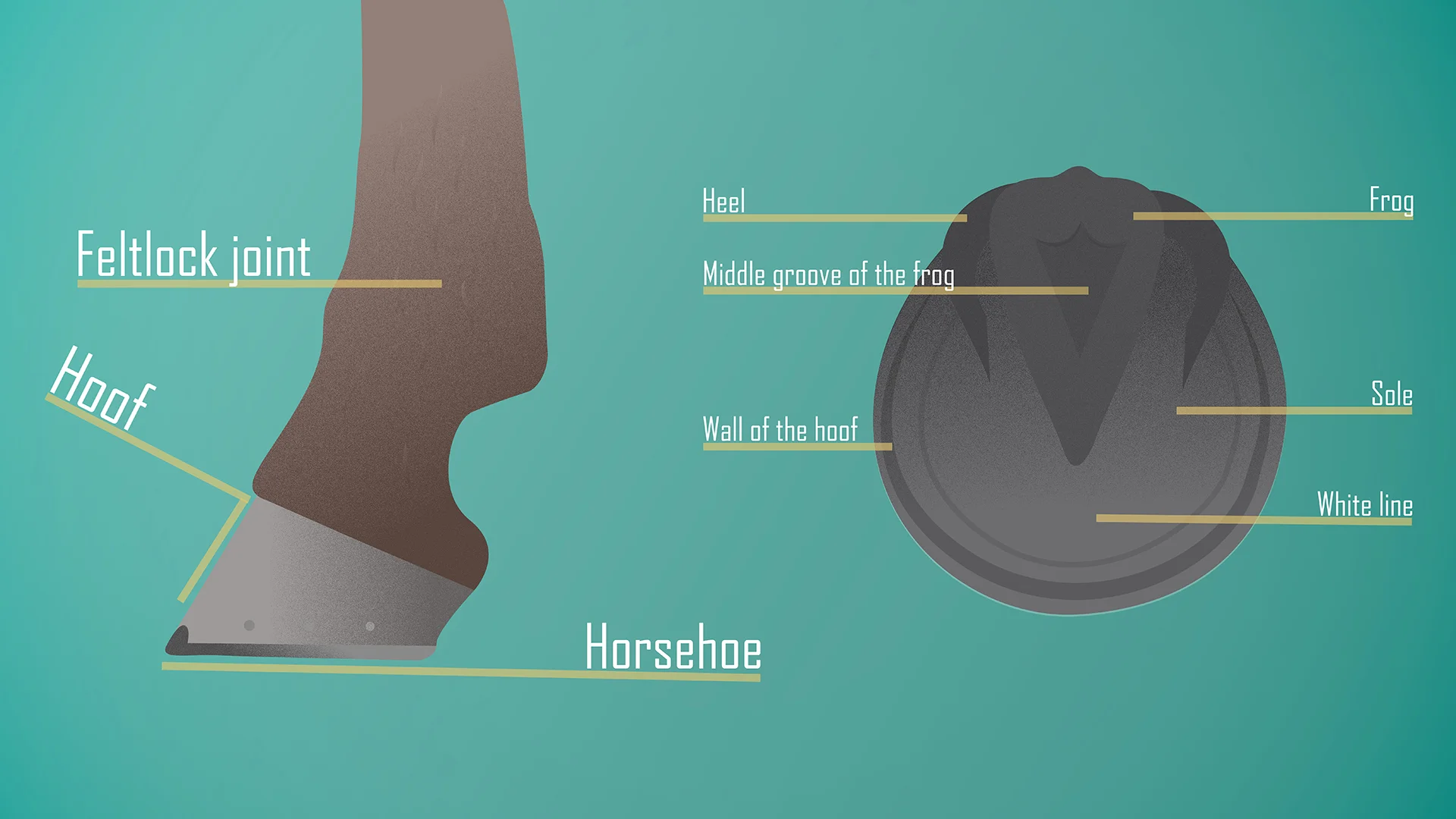
1. The hooves should be regularly cleaned and checked whether in the bottom of the hoof there are any objects which may harm the hoof. A stone, splinter or a piece of glass may cause lacerationsm9240cfaa45cab4b2_1510914164881_0lacerations of this area. 2. Learning the structure of a hoof. If the breeder learns how the hoof should look like, it will be easier for him to spot any pathologiesm9240cfaa45cab4b2_1510914333534_0pathologies. He will also notice that at least twice a year the frog of the hoof peels offm9240cfaa45cab4b2_1510914365400_0peels off and it is normal. 3. When examining the hoof, you should notice the smell, the structure of the hoof, cracks and elevated temperature of the hoof. If the hoof is soft and has a foul odour, it may be a sign of decay processm9240cfaa45cab4b2_1510914427203_0decay process. Hoof decay is a bacterial condition caused by prolonged standing in a litter, mud or other wet or dirty surface. An injured hoof makes it easy for bacteriam9240cfaa45cab4b2_1510914452133_0bacteria to enter the body and casing inflammationm9240cfaa45cab4b2_1510914466197_0inflammation of this area, i.e. laminitism9240cfaa45cab4b2_1510914482775_0laminitis. The symptoms include lamenessm9240cfaa45cab4b2_1510914499600_0lameness and stiff gait. 4. Correction of hoovesm9240cfaa45cab4b2_1510914524225_0Correction of hooves. It should be performed in a special place, mainly a restraining facility or in a spacious place, e.g. stall hall by a qualified farrier. First, the old horseshoe is removed, then the overgrown parts of the sole of the hoof are cleaned and trimmed, the surface are then smoothed with a raspm9240cfaa45cab4b2_1510914788447_0rasp and a new horseshoe is put on. The correction procedure should be performed by specialists because if done unprofessionally, it may cause conditions such as delamination of hoofm9240cfaa45cab4b2_1510914808920_0delamination of hoof, nail prickm9240cfaa45cab4b2_1510914974024_0nail prick, ulceration of the solem9240cfaa45cab4b2_1510915012558_0ulceration of the sole, tendonitism9240cfaa45cab4b2_1510915036836_0tendonitis.
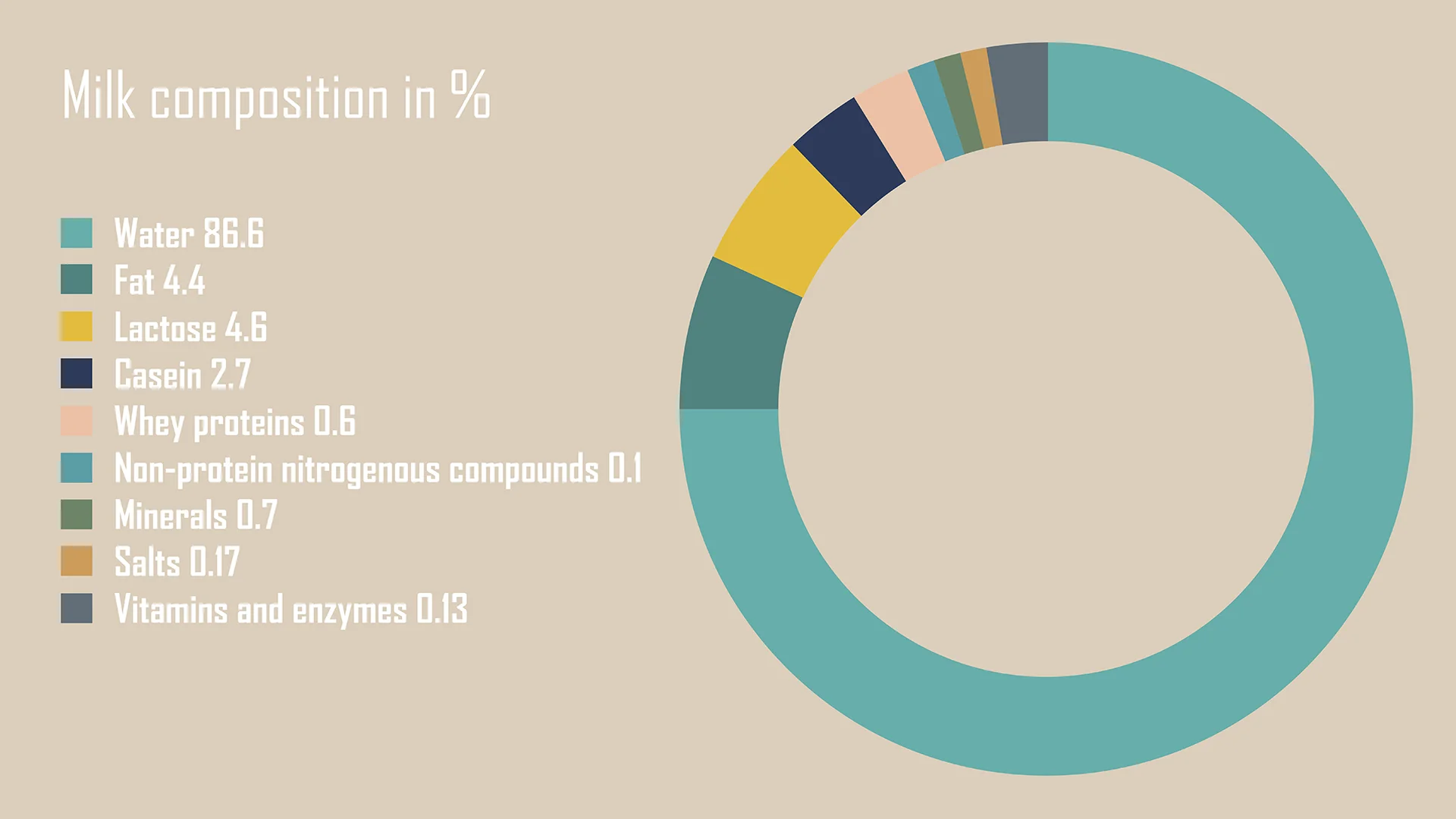
V: Good morning, Mr Kowalski. F: Good morning, doctor. V: Did you have the milk tested, as I asked you to? F: Yes, here are the results of the examination of collective samplem9240cfaa45cab4b2_1510917586924_0collective sample of milk. V: Oh, I see that the somatic cellsm9240cfaa45cab4b2_1510917629274_0somatic cells count and bacterial cellsm9240cfaa45cab4b2_1510918865227_0bacterial cells has increased substantially. F: What does it mean? V: It means that your herd has an udder inflammationm9240cfaa45cab4b2_1510918893647_0udder inflammation or milk is contaminated with bacteriam9240cfaa45cab4b2_1510918924453_0bacteria from the external environment at some stage of the milking process. F: How will we find the source of infectionm9240cfaa45cab4b2_1510918940838_0source of infection? V: Have you noticed in any of your cows an inflammation of mammary glandm9240cfaa45cab4b2_1510918974220_0mammary gland or any discharge from the genital tractm9240cfaa45cab4b2_1510918998006_0genital tract? F: No, not really, the cow number 12 only has a slight decrease of milk yield but she is undergoing drying‑upm9240cfaa45cab4b2_1510918998006_0drying‑up. V: But you haven’t stopped completely to milk this cow? F: No, I only limit the amount of milk produced by proper feeding. V: That’s good because sudden discontinuing of milking may cause irritation of glandular tissuem9240cfaa45cab4b2_1510919022742_0glandular tissue and inflammation. Let’s then go through the milking process and find the source of infection there. Tell me, please, how the cows’ preparation for milking looks like? F: First, I wash the udder and teatsm9240cfaa45cab4b2_1510919510544_0teats with warm water and I massage the udder so that the cow starts to secrete the hormonem9240cfaa45cab4b2_1510919525855_0hormone responsible for the production of milk, that is the oxytocinm9240cfaa45cab4b2_1510919601132_0oxytocin. V: And what about the pre‑milking? F: I once did it, but I gave up. And is it so important? V: It is one of the most important things of pre‑milking hygienem9240cfaa45cab4b2_1510919626977_0pre‑milking hygiene. Some of the first jets of milk should be ejected in the black plate, then it will be easier to spot the changes indicating the inflammation, such as the bloodm9240cfaa45cab4b2_1510919665186_0blood, pussm9240cfaa45cab4b2_1510919679858_0puss, pieces of curdled milk or excessively watery milk. Also, in the pre‑milking process the first portions of milk which contains the biggest number of microorganisms is removed. F: So, in this case I must do it properly. V: Please, do the pre‑milkingm9240cfaa45cab4b2_1510919689467_0pre‑milking before each proper milking for one month and we will see if it will improve the milk yield. F: Okay, thank you, goodbye. V: Good bye.