Prezentacja multimedialna
bg‑azure Deep work is a method which helps people organise their time and work. Using this method you can increase your productivity and improve the quality of your work. Analyse the presentation below to learn more about the principles of deep work.
Deep work is a method which helps people organise their time and work. Using this method you can increase your productivity and improve the quality of your work. Analyse the presentation below to learn more about the principles of deep work.
Praca głęboka to metoda, która pomaga ludziom lepiej organizować czas i pracę. Korzystając z tej metody, możesz zwiększyć swoją produktywność i polepszyć jakość swojej pracy. Przeanalizuj prezentację znajdującą się poniżej i dowiedz się więcej o zasadach pracy głębokiej.
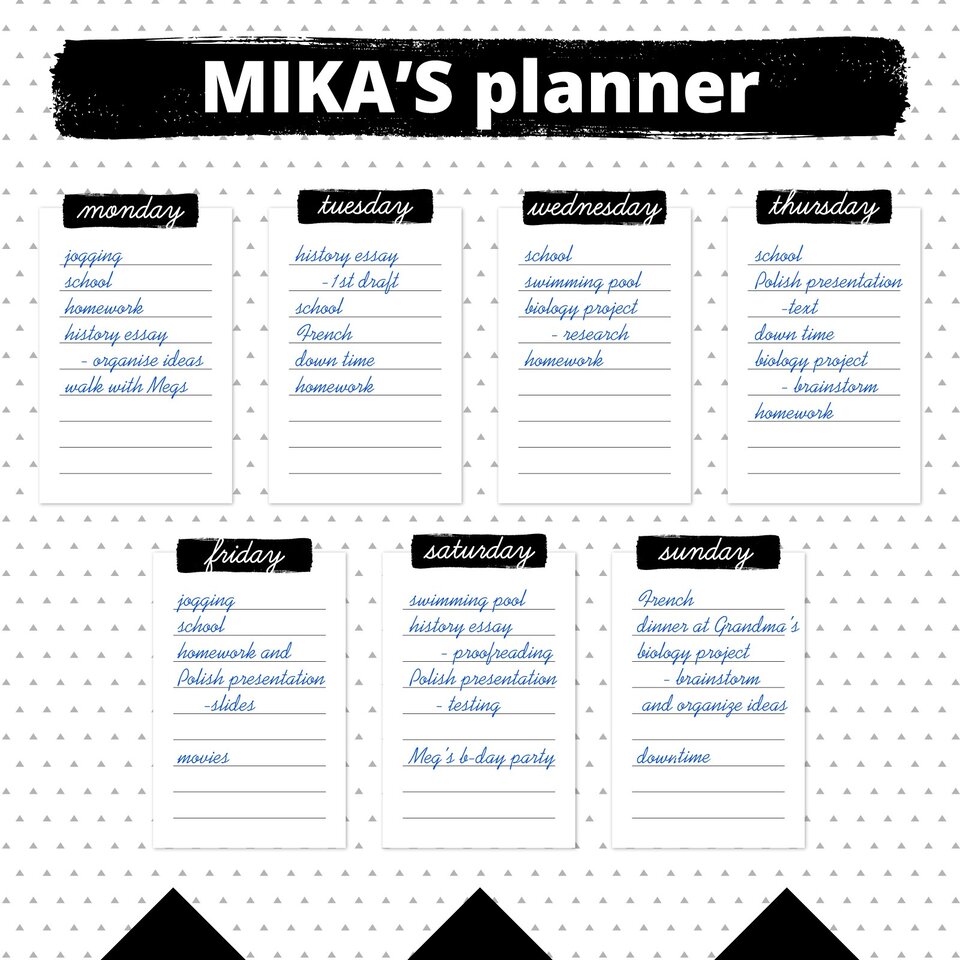
Does your week timetable look anything like this? Perhaps it should?
Czy twój tygodniowy rozkład zajęć wygląda w ten sposób? A może powinien?
Źródło: dostępny w internecie: www.freepik.com [dostęp 14.12.2021], domena publiczna.
Exercise 1
Study the recording and choose the correct answer indicating if the statement is true or false.
Źródło: GroMar Sp. z o.o., licencja: CC BY-SA 3.0.
Nagranie dostępne pod adresem https://zpe.gov.pl/a/DUg8DsnLS
Źródło: GroMar Sp. z o.o., licencja: CC BY-SA 3.0.
Nagranie dźwiękowe
- The podcast is directed at a particular group of people.
TRUEFALSE
- The podcast covered many things.
TRUEFALSE
- The podcast is based on a multimedia presentation.
TRUEFALSE
- The author encourages the listeners to suggest what else she could talk about.
TRUEFALSE
Źródło: GroMar Sp. z o.o., licencja: CC BY-SA 3.0.
The term “deep work” was coined by Cal Newport, the author of the blog Study Hacks.

Źródło: dostępny w internecie: https://pixabay.com/ [dostęp 11.04.2023], domena publiczna.
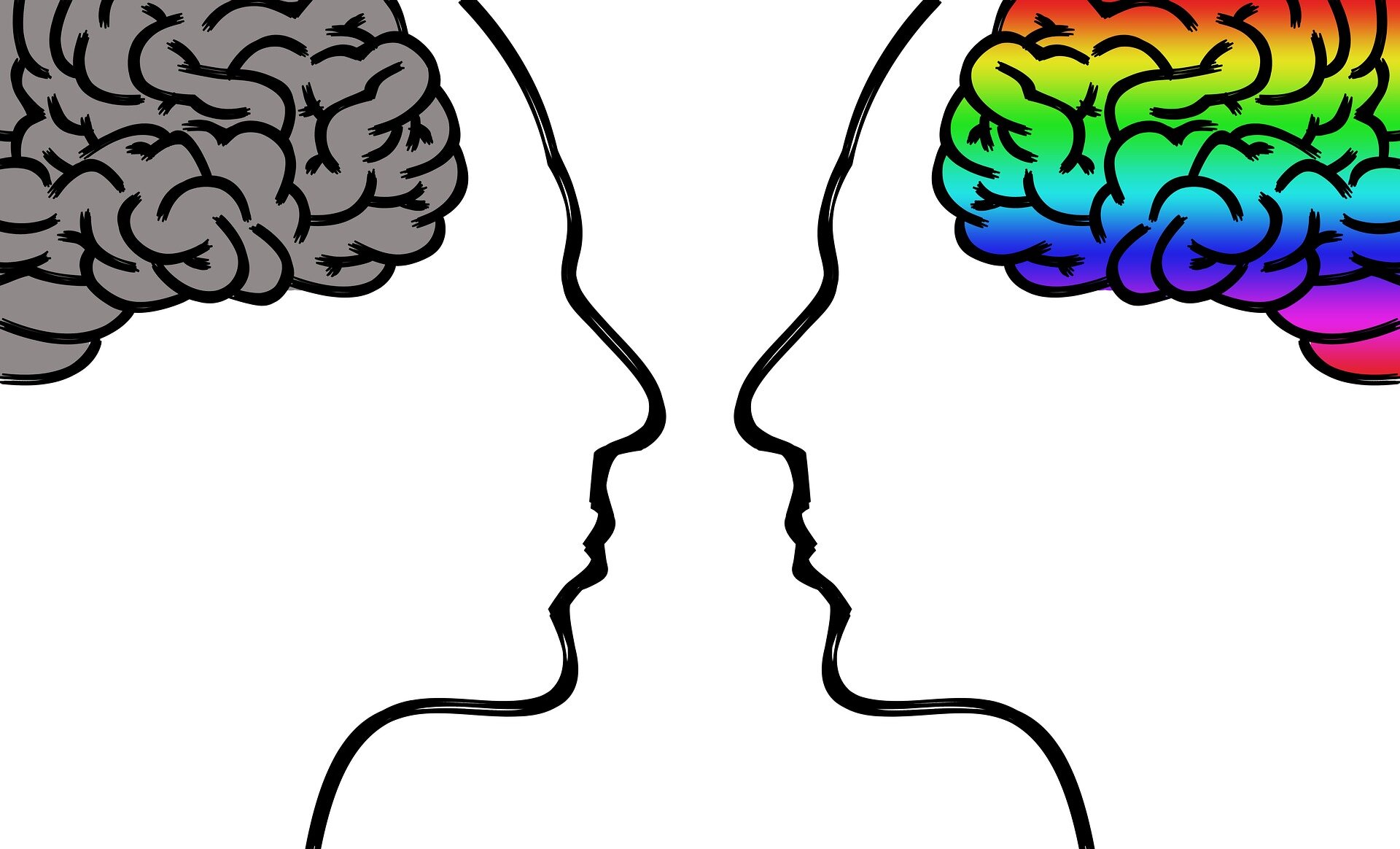
It’s important to distinguish between shallow and deep work.
Źródło: dostępny w internecie: https://pixabay.com/ [dostęp 11.04.2023], domena publiczna.
Our reality is full of distractions.

Źródło: dostępny w internecie: https://pixabay.com/ [dostęp 11.04.2023], domena publiczna.
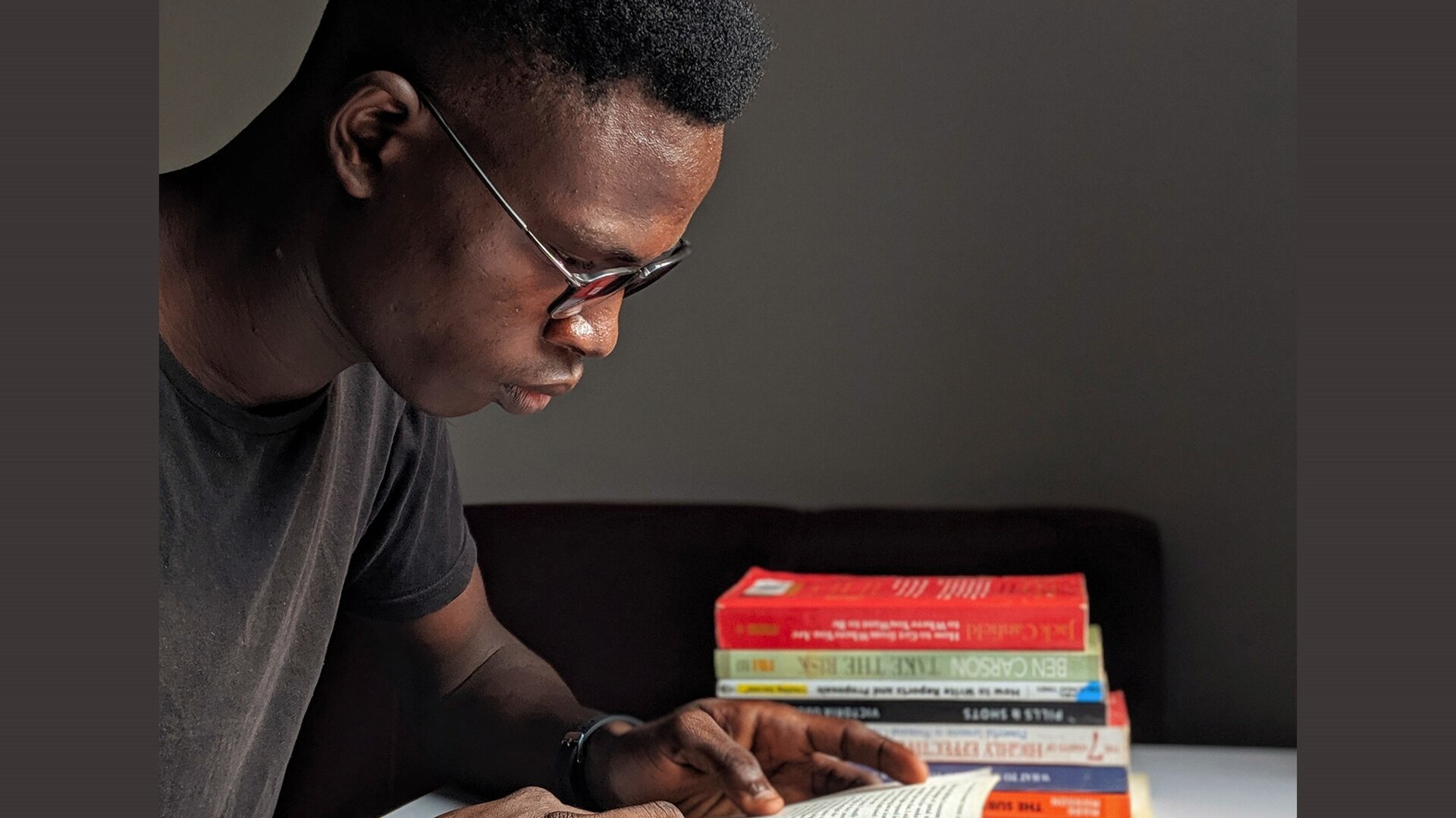
Deep work will become the superpower of the 21st century.
Źródło: GroMar Sp. z o.o., licencja: CC BY-SA 3.0.
Steps to take.

Źródło: GroMar Sp. z o.o., licencja: CC BY-SA 3.0.
To reduce FOMO, change the way you relax.

Źródło: GroMar Sp. z o.o., licencja: CC BY-SA 3.0.
Plan your workload.

Źródło: dostępny w internecie: https://pexels.com/ [dostęp 11.04.2023], domena publiczna.
Deep plan your day.
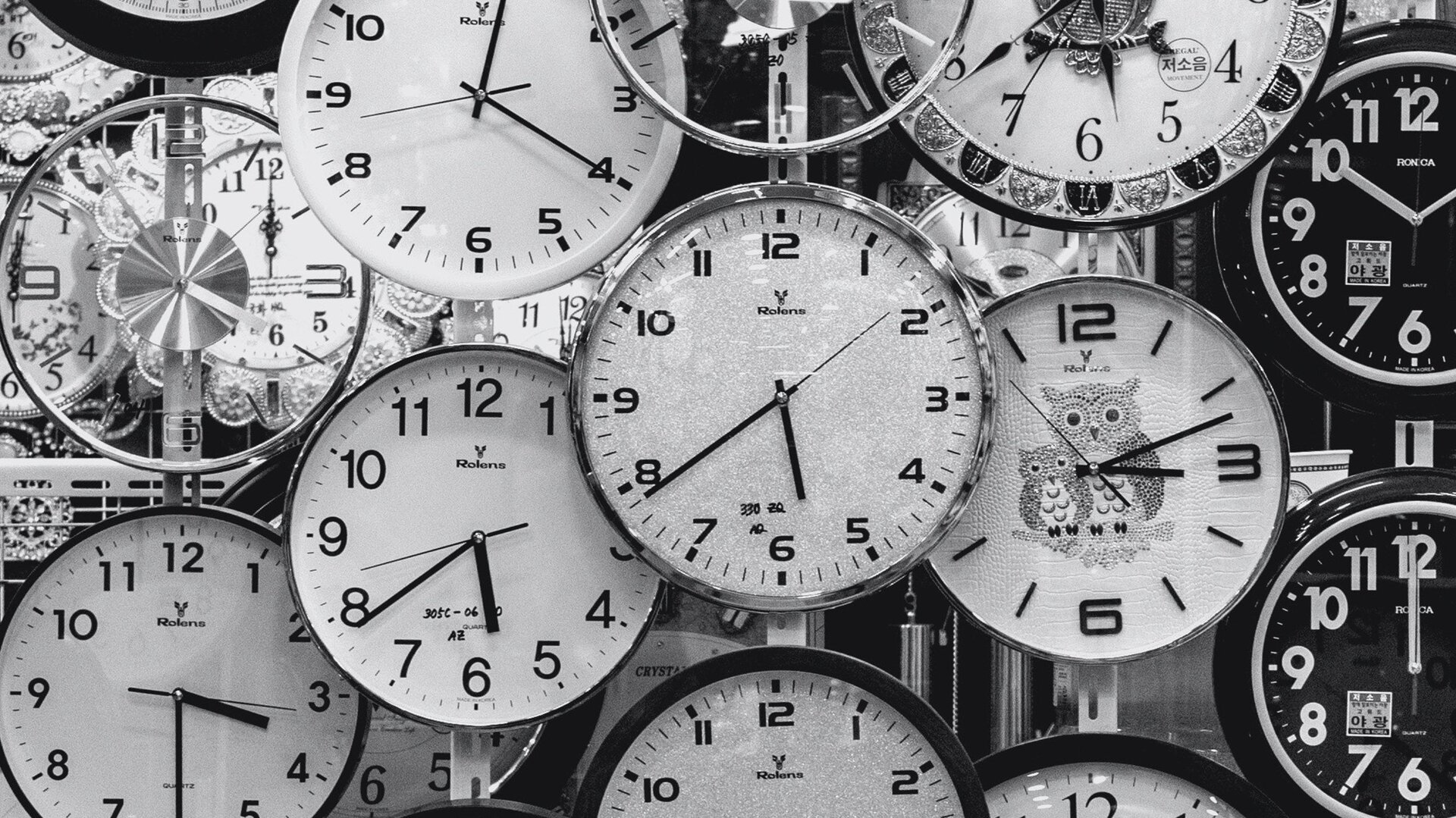
Źródło: GroMar Sp. z o.o., licencja: CC BY-SA 3.0.
Indulge in work routine.

Źródło: GroMar Sp. z o.o., licencja: CC BY-SA 3.0.
Less is more.
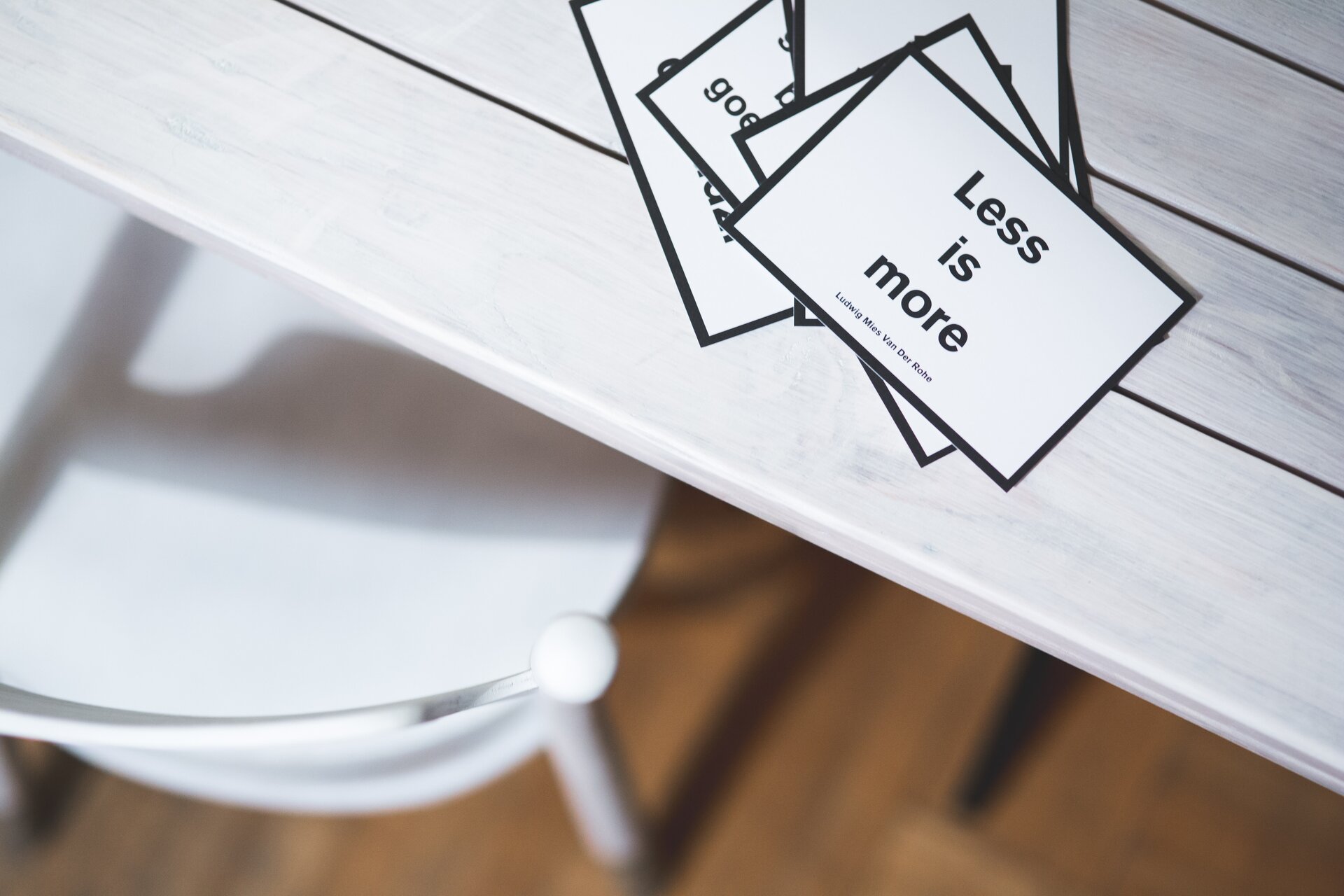
Źródło: dostępny w internecie: https://pexels.com/ [dostęp 11.04.2023], domena publiczna.
Exercise 2
a) was the first person to apply the rules of deep work.
b) created the term “deep work.”
c) achieved the best results using deep work.
2. Work such as replying to emails or organising your books
a) is the first stage of deep work.
b) is deep work only if it gives you satisfaction.
c) is shallow work because it does not require much brain power.
3. For a task to be classified as deep work
a) it must engage your cognitive skills.
b) it must require concentration.
c) it must be divided into stages.
4. Deep work can be called the superpower of the 21st century because
a) people who can resist distractions are rare and valuable nowadays.
b) not many people have brains capable of doing deep work.
c) more and more people produce work of high quality, so it’s
hard to stand out.
5. How can you reduce the amount of edutainment distracting you from doing your tasks?
a) You can work in a library or a cafe without access to the internet.
b) You can download a special computer program which will block access
to certain websites.
c) You can ask your friends and family not to send you any notifications.
6. What is FOMO?
a) It’s anxiety connected with not meeting deadlines and consequences of it.
b) It’s a fear of not being able to use one’s full cognitive capacity.
c) It’s a strong, negative feeling people experience when they switch off
their phones.
7. It’s a good idea to keep your planner in a visible place because
a) you can easily see where you are on your way to the goal.
b) you can be more responsible for your headway.
c) you can feel more satisfaction from completing your tasks.
8. To achieve best possible results you should
a) drink a lot of tea and eat a lot of crackers.
b) work with the best tools, such as good highlighters.
c) create a comfortable environment for yourself.
Źródło: GroMar Sp. z o.o., licencja: CC BY-SA 3.0.
Exercise 3
Źródło: GroMar Sp. z o.o., licencja: CC BY-SA 3.0.
Exercise 4
Consider the ideas from the presentation above. It says that to be able to have deep work time, we should divide our task into stages and plan times and deadlines for it. Take one assignment or study topic that you have for school and create such a work timeline for it.
Źródło: GroMar Sp. z o.o., licencja: CC BY-SA 3.0.