Przeczytaj
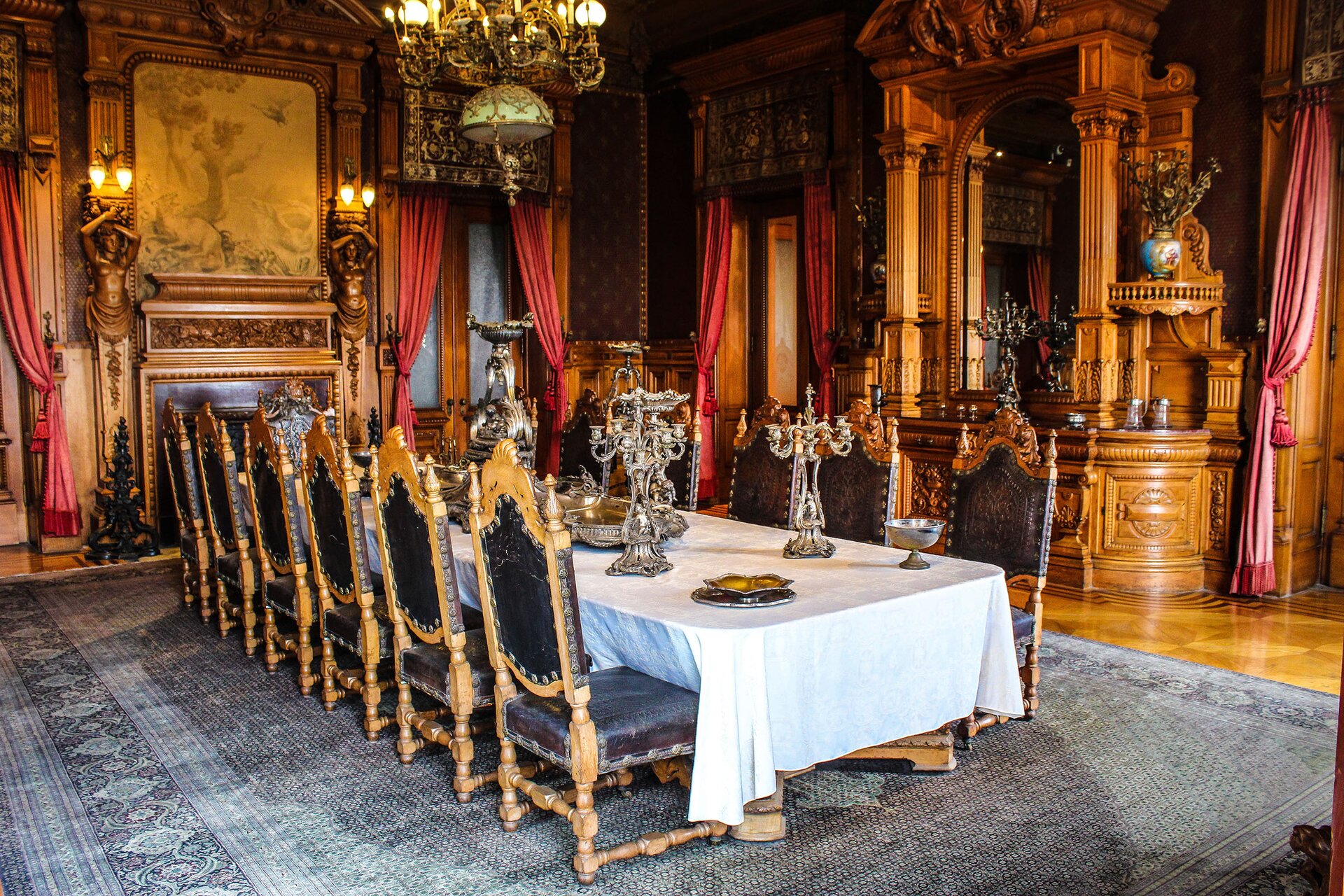
The picture below shows a dining room with a table in a castle being prepared for a meal. This is not where most people eat meals nowadays, but it was typical for noblemen in the Middle Ages. In this section you are going to read a text introducing you to the food from that period. Did you know that people then mostly ate with their fingers and their own knives, and forks were considered “silly” by many? Before you read, think: are table manners important to you? Why? Why not?
Zdjęcie przedstawia stół w zamkowej jadalni, który jest nakrywany do posiłku. Obecnie większość ludzi nie jada w takich warunkach, ale w średniowieczu było to typowe dla szlachciców. W tej sekcji przeczytasz tekst przedstawiający posiłki z tego okresu. Czy wiedziałeś/wiedziałaś, że wtedy przeważnie jadano palcami z pomocą własnych noży, a widelce przez wielu uważane były za „głupie”? Zanim przeczytasz, zastanów się: Czy maniery przy stole są dla ciebie ważne? Dlaczego? Dlaczego nie?
How much do you know about medieval dining? Select all the correct answers.
Read the text and find out what kind of food people ate in the Middle Ages and what the table manners were like then.
How They Dined in the Middle AgesOur diets have changed considerablyconsiderably over the centuries and so have the ways we eat. For example, we take it for grantedtake it for granted that breakfast, lunch, and dinner are vitally importantvitally important meals not to be skipped if not absolutely necessary, but in Roman times eating anything more than one meal per day was seen as gluttonygluttony. Even though the Middle Ages expanded that norm by one more meal, it was still incomparablyincomparably less than what we eat and snack on today. And yet we see people devouringdevouring huge amounts of food at medieval feastsfeasts depicted in the paintings or prints from that period. So what is the truth about medieval cuisine?
Well, the fact of the matter is that feasting and enjoying food was a crucialcrucial part of medieval life, and such moments were meant to be celebrated since during the war there wasn’t much to eat. Additionally, it must be noted that the noblemen’s diet differed prominentlyprominently from the diet of the poor. Those from the upper social scale could enjoy freshly killed meat, especially gamegame like venisonvenison from their “deer parks”, where the gentrygentry could hunt for sport and food. They would also eat river fish such as pikepike, carp, perchperch or trouttrout, as well as fresh fruit and vegetables. The more well‑to‑dowell‑to‑do had access to imported fruit like datesdates and figs, as well as spices such as pepper, cinnamon, macemace, nutmegnutmeg, saffronsaffron, ginger, clovescloves, or spices which have now fallen into obscurityfallen into obscurity, such as grains of paradise, a relative of cardamom, or galangal, a spice closely related to ginger. Spices were among the most luxurious products available in the Middle Ages, and since they all had to be imported from plantations in Asia and Africa, they were extremely expensive. Thus, they were ostentatiously used in abundancein abundance during the sumptuoussumptuous banquets organised by the rich as a status symbol to impress invited guests.
Poor people could not afford spices so they flavouredflavoured their food with herbs that they could grow in their garden, such as parsley and sagesage, also using onions and garlic for this purpose. Garden vegetables including peas, leekleek, cabbage, beans and turnipturnip were commonly grown, as they were indispensableindispensable for survival. A staple foodstaple food for the poor was called pottagepottage, a stewstew made of oatsoats and garden vegetables with a tiny bit of meat in it, often thickened with stalestale bread crumbs. Cereals were the basic food in medieval times. BarleyBarley, oats and ryerye among the peasantspeasants, and wheatwheat for the governing classes, were eaten as bread, porridgeporridge, gruelgruel and pasta by all members of society. Many households raised chickens, ducks or geese for eggs and eventually for meat. Domestic pigs often ran freely even in towns, and their meat was quite common although muttonmutton and lamb were also fairly popular, provided one could afford keeping sheep.
While medieval foods were not that different from the meals we eat today, the way they were prepared often differed tremendouslydiffered tremendously from the way we prepare our food nowadays. When you flick throughflick through the cookbook with recipes from the Middle Ages, a lot of dishes will make you raise your eyebrows. The nobilitynobility seemed to savoursavour roasted swans, cats, hedgehogshedgehogs and peacockspeacocks, often adornedadorned in their own feathers, and served with “live pies”, which consisted of pastrypastry stuffed with live frogs to delightdelight and entertain the guests.
As mentioned before, there were typically two meals a day: dinner at noon and a light supper in the evening. According to some sources, breakfast was seen as a weakness and a form of overindulgenceoverindulgence by the church, and so were smaller intermediate meals. They became a matter of social status, as upper classes could afford to skip them, while working‑class men and women could not. It was also advocatedadvocated by the church that the whole household eat together, with no separation between lords and ladies and servants during the meal. Naturally, the wealthy were not so eager to eat together with the commoners so towards the end of the Middle Ages they often sought privacy while eating their meals. The church exercised control overexercised control over eating habits, most notablynotably through regulations about fastingfasting. However, people found ways to slylyslyly circumventcircumvent the problem, for example by extending the definition of “fish” to animals like whales, beaversbeavers or some types of geese. Ironically, banquets held on fish days could be as splendid as those organised on days other than during LentLent or Advent.
Finally, there were many rules on correct ways to eat and where people sat. Many of the table manners we have today actually had their start at the banquet tables of the Middle Ages. To be invited to a banquet or noble gathering was no small honour and once the guest set foot onto the castle grounds, it was expected that they would behave in a manner that suited the royaltyroyalty that they were dining with. For example, belchingbelching, farting, scratching flea bitesflea bites or picking one’s nosepicking one’s nose were deemeddeemed highly inappropriate and borderline rudeborderline rude, and even feeding the dogs of the manormanor was frowned uponfrowned upon. Guests were expected to wash their hands before the meal, say a prayer led by the chamberlainchamberlain, and once seated, not to leave the table at any time, so using the bathroom was off‑limitsoff‑limits. Special courtesycourtesy books instructed diners to take small bites, not talk with their mouths full and to avoid picking at bones or other pieces of meat that might still have food on them. All of these rules made eating a meal at a medieval feast a very pleasant and cultural experience.
Źródło: Agnieszka Sękiewicz‑Magoń , dostępny w internecie: https://en.wikipedia.org/wiki/Medieval_cuisine [dostęp 23.06.2023], https://www.bl.uk/the-middle-ages/articles/the-medieval-diet [dostęp 23.06.2023], licencja: CC BY-SA 3.0.
- From the first paragraph we learn that daily, medieval people ate
a) one meal.
b) two meals.
c) three meals.
d) four meals.
- Which food played a special role during a banquet?
a) exotic spices
b) wild game
c) imported fruit
d) fresh fish
- According to the text, the poor
a) ate the same type of bread as the rich.
b) often ate pork.
c) seasoned their food differently than the rich.
d) liked pottage.
- Which food was eaten by both the wealthy and the poor?
a) spices
b) venison
c) cereals
d) brown bread
- What was unusual about food preparation in the Middle Ages?
a) Every meal was roasted.
b) It didn’t follow recipes.
c) It was supposed to surprise anybody using the cookbook.
d) It often included unique ways of amusing guests during dinner.
- Which of the following church regulations was cunningly modified by people?
a) Do not eat more than two meals a day.
b) Do not eat meat during fast days.
c) Do not eat eggs or dairy during Lent.
d) Do not eat anything prior to taking the Eucharist.
- Which sentence about medieval table manners is not true?
a) You were not supposed to make any rude noises.
b) Speaking while eating was not customary.
c) An invitation to a nobleman’s house wasn’t a big honour, but you had to behave properly.
d) Using the bathroom during dinner was discouraged.
Answer the questions in 2–3 sentences.
Which piece of information in the text do you find most surprising and why?
Given a chance, would you take part in a medieval feast? Why? / Why not?
Do you think that medieval table manners were better than today’s? Why?/Why not?
What are the advantages and disadvantages of a medieval diet?
- To a great extent Tu uzupełnij
- In a very noticeable or important way Tu uzupełnij
- Done so well that nobody else can compete with it Tu uzupełnij
- What is more Tu uzupełnij
- Without being controlled or restrained Tu uzupełnij
- In a way meant to show off money, power, or status Tu uzupełnij
- Usually or frequently done Tu uzupełnij
- In an extremely important way Tu uzupełnij
- Eventually, after a long time Tu uzupełnij
- In both a clever and deceitful way Tu uzupełnij
Słownik
/ əˈdɔːnd / / əˈdɔːn /
zdobione [zdobić]
/ ˈædvəkeɪtɪd / / ˈædvəkeɪt /
zalecane [zalecać]
/ ˈbɑːli /
jęczmień
/ ˈbiːvəz / / ˈbiːvə /
bobry [bóbr]
/ ˈbeltʃɪŋ /
bekanie
/ ˈbɔːdəlaɪn ruːd /
na granicy chamstwa
/ briːm /
leszcz
/ ˈtʃeɪmbəlɪn /
podkomorzy
/ ˌsɜːkəmˈvent /
obejść, ominąć
/ kləʊvz / / kləʊv /
goździki [goździk]
/ kɒd /
dorsz
/ kənˈsɪdərəbli /
znacznie, w znacznym stopniu
/ ˈkɜːtəsi /
uprzejmość, grzeczność
/ kreɪnz / / kreɪn /
żurawie [żuraw]
/ ˈkruːʃl̩ /
istotną, kluczową [istotny, kluczowy]
/ deɪts / / deɪt /
daktyle [daktyl]
/ diːmd / / diːm /
uważane za [uważać za]
/ dɪˈlaɪt /
zachwycić
/ dɪˈvaʊərɪŋ / / dɪˈvaʊə /
pałaszujących, pożerających [pałaszować, pożerać]
/ ˈdɪfəd trɪˈmendəsli / / ˈdɪfə /
ogromnie się różniły [różnić się]
/ ˈeksəsaɪzd kənˈtrəʊl ˈəʊvə / / ˈeksəsaɪz kənˈtrəʊl ˈəʊvə /
sprawował kontrolę nad [sprawować kontrolę nad]
/ ˈfɔːlən ˈɪntə əbˈskjʊərɪti / / fɔːl ˈɪntə əbˈskjʊərɪti /
popadły w zapomnienie [popaść w zapomnienie] (to become forgotten and not known to people)
/ ˈfɑːstɪŋ /
poszczenie
/ fiːsts / / fiːst /
uczty [uczta]
/ ˈfenl̩ /
koper włoski
/ ˈfleɪvəd / / ˈfleɪvə /
przyprawiali, doprawiali [przyprawiać, doprawiać]
/ ˈfli: baɪts / / ˈfli: baɪt /
ugryzień pcheł [ugryzienie pchły]
/ ˈflɪk thetaruː / / ˈflɪk thetaruː /
przeglądasz, przekartkowujesz [przeglądać, kartkować]
/ fraʊn əˈpɒn / / fraʊn əˈpɒn /
nie pochwalano [nie pochwalać]
/ ɡeɪm /
dziczyzna
/ ˈdʒentri /
szlachta (ziemiańska)
/ ˈɡlʌtni /
obżarstwo
/ ˈɡruːəl /
kaszka, kleik
/ ˈhedʒhɒɡz / / ˈhedʒhɒɡ /
jeże [jeż]
/ ˈherɪŋ /
śledź
/ ɪn əˈbʌndəns /
w obfitości, w bród
/ ɪnˈkɒmprəbli /
nieporównywalnie
/ ˌɪndɪˈspensəbl̩ /
niezbędne, nieodzowne
/ lɑːks / / lɑːk /
skowronki [skowronek]
/ liːk /
por
/ lent /
Wielki Post
/ meɪs /
kwiat gałki muszkatołowej
/ ˈmænə /
dworu, majątku ziemskiego [dwór, majątek ziemski]
/ ˈmɪlɪt /
proso
/ ˈmʌstəd /
gorczyca
/ ˈmʌtn̩ /
baranina
/ nəʊˈbɪlɪti /
arystokracja, szlachta
/ ˈnəʊtəbli /
zwłaszcza, w szczególności
/ ˈnʌtmeɡ /
gałka muszkatołowa (jądro)
/ əʊts /
owies
/ ɒf ˈlɪmɪts /
zakazane, zabronione
/ ˌəʊvərɪnˈdʌldʒəns /
zbytnie pobłażanie sobie, nadmierne dogadzanie sobie (allowing yourself too much of something enjoyable)
/ ˈpɑːtrɪdʒ /
kuropatwa
/ ˈpeɪstri /
ciasta
/ ˈpiːkɒks / / ˈpiːkɒk /
pawie [paw]
/ ˈpeznts / / ˈpesnt /
wieśniacy [wieśniak/wieśniaczka]
/ pɜːtʃ /
okoń
/ ˈpɪkɪŋ wʌnz nəʊz /
dłubanie w nosie
/ paɪk /
szczupak
/ ˈpɒrɪdʒ /
owsianka
/ ˈpɒtɪdʒ /
gęsta zupa warzywna
/ ˈprɒmɪnəntli /
znacznie, w wyraźny sposób
/ ˈrɔɪəlti /
królewskie traktowanie, godność królewska
/ raɪ /
żyto
/ ˈsæfrən /
szafran
/ seɪdʒ /
szałwia
/ ˈseɪvə /
delektować się, rozkoszować się
/ ˈslaɪli /
sprytnie, chytrze
/ steɪl /
czerstwy/czerstwa
/ ˈsteɪpl̩ fuːd /
podstawowe produkty żywnościowe
/ stjuː /
potrawka, gulasz
/ ˈsʌmptʃʊəs /
wystawny/wystawna, pełen/pełna przepychu
/ ˈteɪk ˈɪt fə ˈɡrɑːntɪd / / ˈteɪk fə ˈɡrɑːntɪd /
bierzemy za pewnik, uważamy za rzecz oczywistą [brać za pewnik, uważać za rzecz oczywistą] (treat sth as unquestionable, so to never think about it)
/ traʊt /
pstrąg
/ ˈtɜːnɪp /
rzepa
/ ˈvenɪsn̩ /
sarnina, jelenina
/ ˈvaɪtəli ɪmˈpɔːtnt /
niezmiernie ważny/ważna
/ ˌwel tə ˈduː /
zamożni ludzie, bogacze
/ ˈwiːt /
pszenica
Źródło: GroMar Sp. z o.o., licencja: CC BY‑SA 3.0