Gra edukacyjna
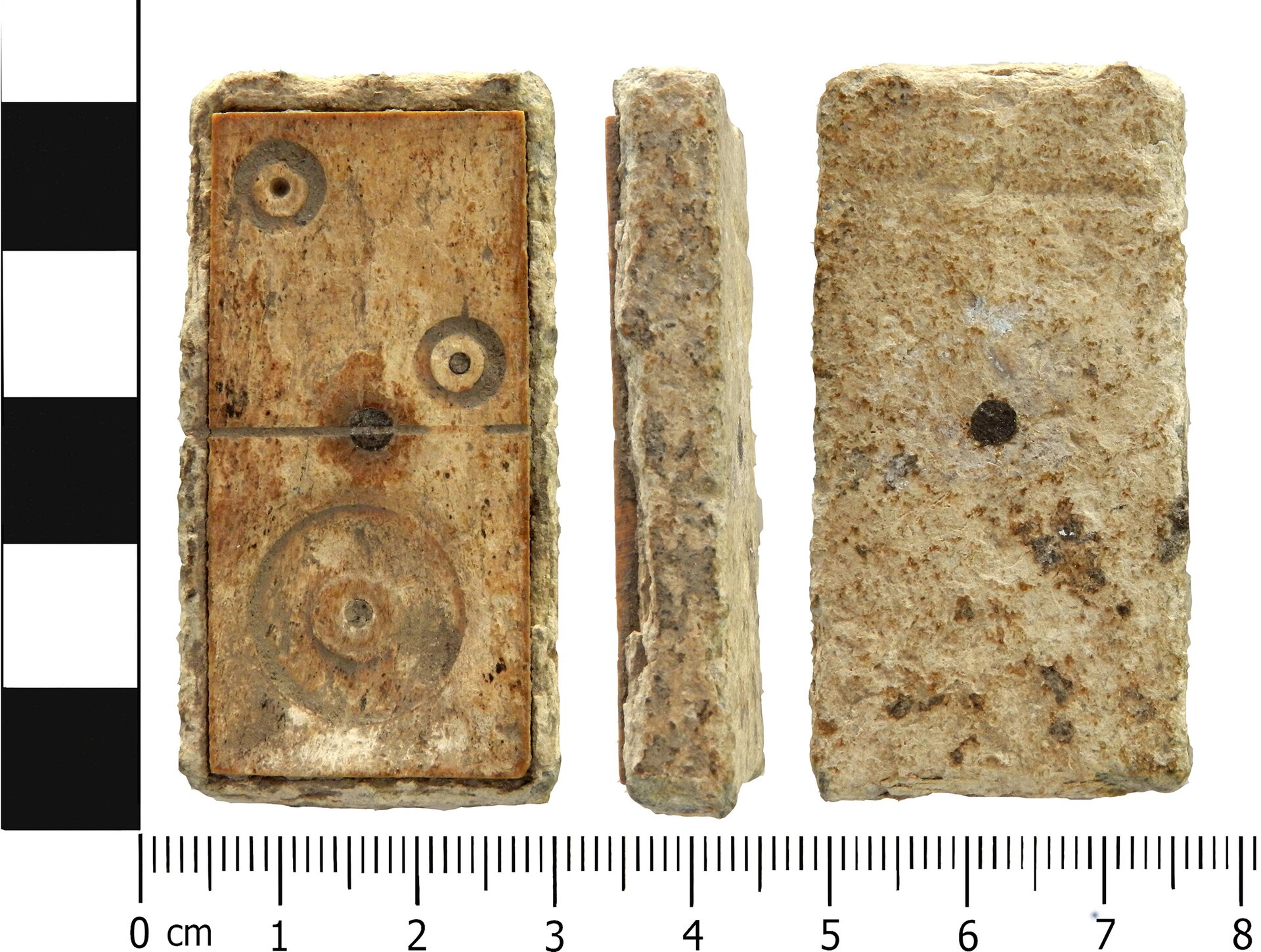
In this section you are going to revise and expand your knowledge of the evolution of housing and get a chance to play a game of historical domino as well as analyse types of houses using a typical archaeological set of questions. If you’re interested, continue!
W tej sekcji powtórzysz i pogłębisz wiedzę związaną z ewolucją siedzib ludzkich i będziesz miał/miała okazję zagrać w historyczne domino, a także przeanalizować różne typy domostw, używając typowo archeologicznego zestawu pytań. Jeśli cię to zaintrygowało, przejdź dalej!
Complete the crossword.
Study the questions below and choose the correct answers.
Play the game to check your knowledge about the history and types of housing.

Zasób interaktywny dostępny pod adresem https://zpe.gov.pl/a/Dc5NDw8kx
b) There is a great amount of 1. fired clay, 2. 3d-printed homes, 3. studio flats, 4. archaeological evidence, 5. grazing grounds, 6. ancient manuscript, 7. hunter-gatherer, 8. mudbrick which proves that the Neolithic times were a real revolution in people’s lives.
c) Before pastoral tribes started to build a permanent dwelling, they had to relocate to find new 1. fired clay, 2. 3d-printed homes, 3. studio flats, 4. archaeological evidence, 5. grazing grounds, 6. ancient manuscript, 7. hunter-gatherer, 8. mudbrick for the cattle.
d) Archaeologists found remains of a 1. fired clay, 2. 3d-printed homes, 3. studio flats, 4. archaeological evidence, 5. grazing grounds, 6. ancient manuscript, 7. hunter-gatherer, 8. mudbrick human in a cave, who used it as a temporary shelter.
e) The earliest cities in what is now Syria and Turkey were frequently built from 1. fired clay, 2. 3d-printed homes, 3. studio flats, 4. archaeological evidence, 5. grazing grounds, 6. ancient manuscript, 7. hunter-gatherer, 8. mudbrick.
f) Due to the fast urbanisation processes, many individuals today have to live in tiny 1. fired clay, 2. 3d-printed homes, 3. studio flats, 4. archaeological evidence, 5. grazing grounds, 6. ancient manuscript, 7. hunter-gatherer, 8. mudbrick.
g) The next stage of evolution of the mudbrick was the red brick we know today, which was made from 1. fired clay, 2. 3d-printed homes, 3. studio flats, 4. archaeological evidence, 5. grazing grounds, 6. ancient manuscript, 7. hunter-gatherer, 8. mudbrick.
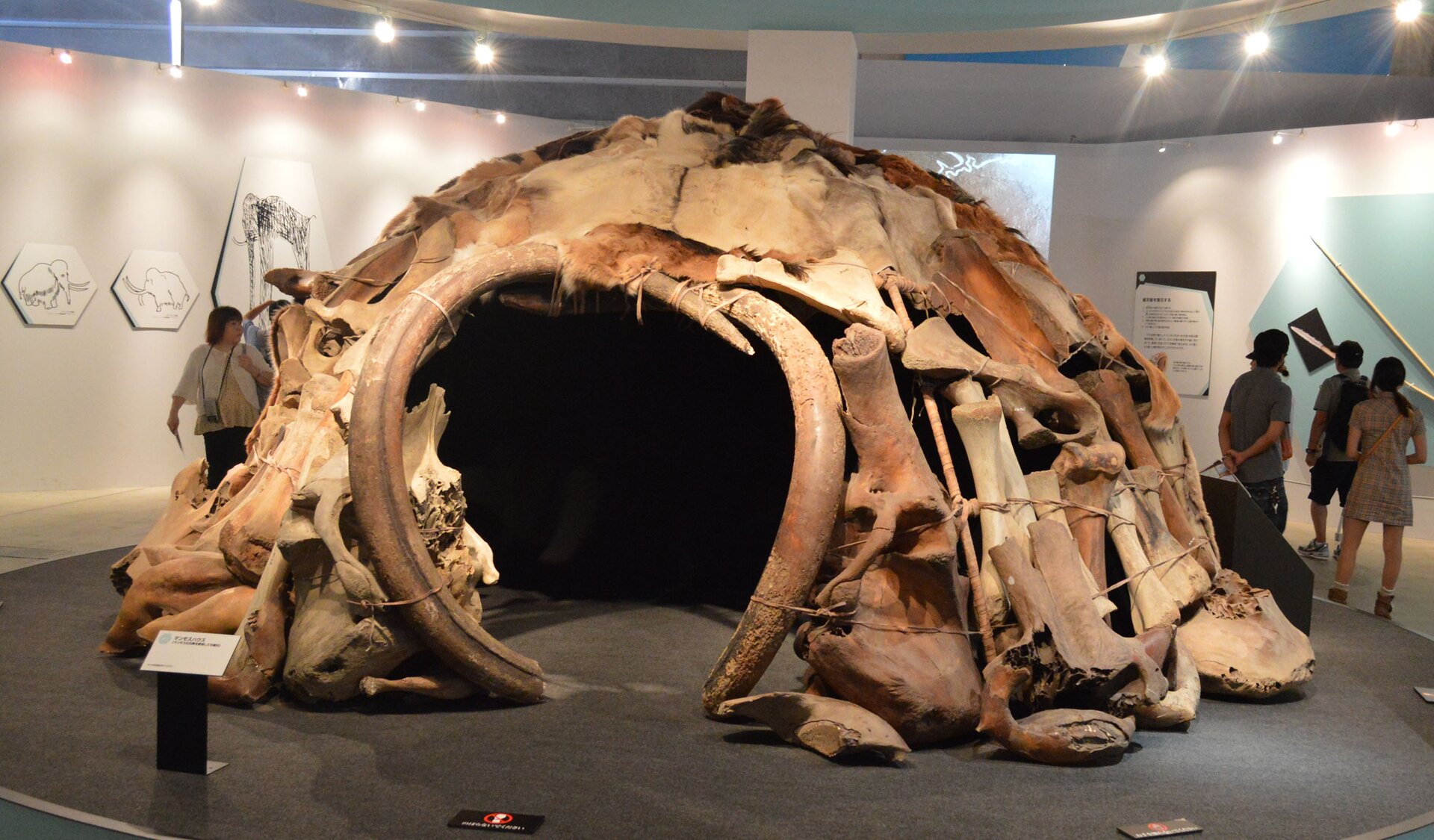
Using the archaeological knowledge and English vocabulary from the unit, write a description of a mammoth bone house.
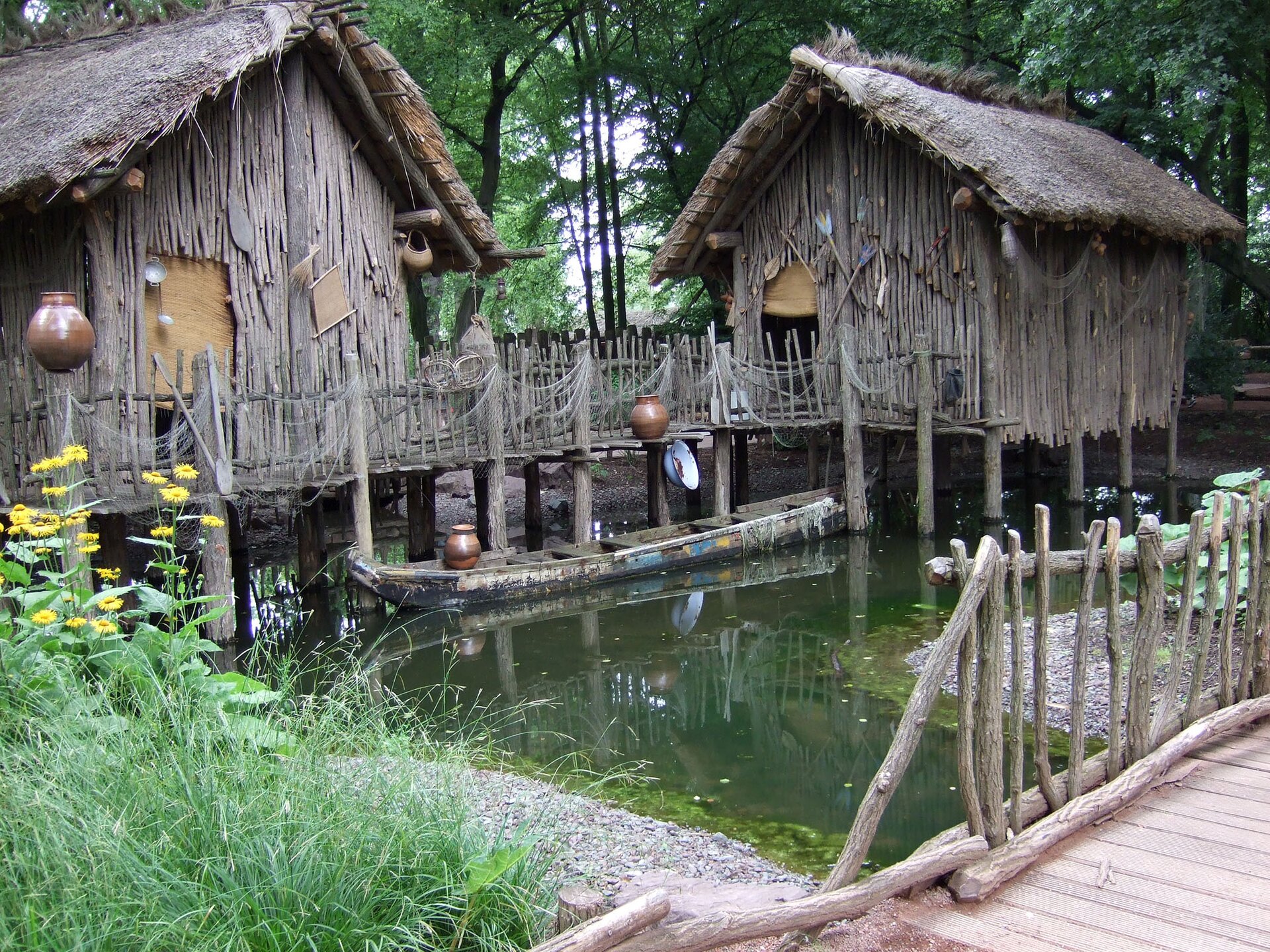
Using the archaeological knowledge and English vocabulary from the unit, write descriptions of the following types of human dwellings. Try to guess who would build such a structure, when it was built, and what its purpose was.