Przeczytaj
Everyone knows that eating healthily is very important for us. Unfortunately, unhealthy food is easier to prepare and often cheaper. Can we have a healthy diet in difficult school conditions? Of course! Jamie Oliver will show you how!
Każdy wie, że zdrowe odżywianie jest bardzo ważne dla ludzkiego organizmu. Niestety, niezdrowe jedzenie jest łatwiejsze w przygotowaniu i często tańsze. Czy możemy mieć zdrową dietę w trudnych, szkolnych warunkach? Oczywiście! Jamie Oliver pokaże, jak to zrobić!
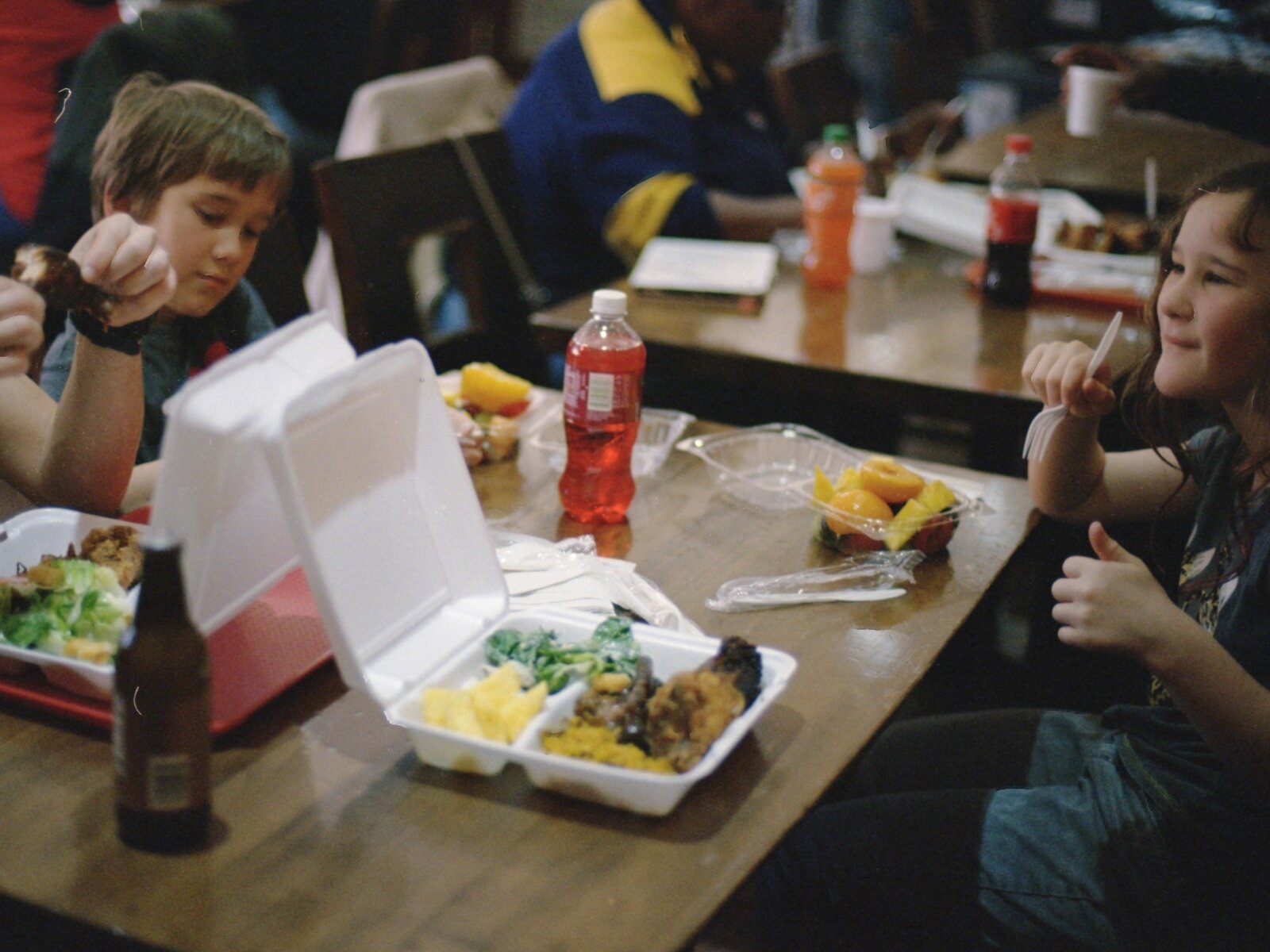
Which of the words below are connected to school lunch items? Choose all the correct answers.
Które z poniższych wyrazów są powiązane ze składnikami szkolnych obiadów? Wybierz wszystkie poprawne odpowiedzi.
Drag and drop the names of the things you can see in the picture.
Przeciągnij i upuść nazwy przedmiotów, które widzisz na zdjęciu.
Read the text about Jamie’s School Dinners and do the exercises below.
Przeczytaj tekst o Jamie’s School Dinners i wykonaj ćwiczenia.
How to Improve School Lunch? Jamie Oliver Will Help YouJamie’s School Dinners is the name of a TV programme with a famous chefchef Jamie Oliver. He tries to improveimprove school meals in a typical British school – Kidbrooke School in Greenwich. The show started a bigger campaign to make school dinners better across the UK.
The head teacher of Kidbrooke School was Nora Sands. At the beginning she didn't understand Jamie, but in the end she helped him with this campaign. The chef had a very difficult task to do in Kidbrooke – he could only spend 37 pence to prepare meals for one child per day. The pupils were not fans of healthyhealthy food. They usually chose different meals in their lunchroomlunchroom, such as deep‑frieddeep‑fried meat and chips for the main coursemain course. When Jamie Oliver protested againstprotested against junk foodjunk food during lunchtimelunchtime, students were unhappy and didn't want the change.
Finally, students tried the new menumenu with Oliver. The children worked in the kitchen, learning how to prepare healthy and tastytasty food to put on their traystrays. They learned that a good meal must includeinclude different food groups. Vegetables should be a half of your meal, foods such as bread, pasta and rice - a quarter, and the other quarter is for products such as fish, meat, nuts, and eggs. Even dessertsdesserts can be healthy! You don’t need fizzy drinksfizzy drinks – water is perfect for a drinkdrink. For those who didn’t want to eat meals at school, the alternativealternative was a packed lunchpacked lunch that they could take from home. Oliver bannedbanned unhealthyunhealthy products.
The campaign became more and more popular, so Oliver asked the government to spend more money on the healthy products and to give free school mealsfree school meals to those kids who couldn’t affordafford them. As a result, the Department for Education and Skills created the School Food Trust, which had to make the school meals better.
Źródło: Anna Olewińska‑Byliniak, licencja: CC BY-SA 3.0.
Read the text and decide if the sentences are true or false.
Przeczytaj tekst i zdecyduj, czy podane zdania są prawdziwe, czy fałszywe.
TRUEFALSE
2. Every week the school could spend 37 pence for each student's meal.
TRUEFALSE
3. During the programme, students learned how to prepare healthy meals.
TRUEFALSE
4. Students liked eating healthy.
TRUEFALSE
5. Jamie Oliver's campaign was a success.
TRUEFALSE
Match the words related to lunch with their descriptions.
Połącz nazwy nawiązujące do lunchu z ich objaśnieniami.
Read the radio advertisement script below and choose the correct answers to make a logical text.
Przeczytaj treść ogłoszenia radiowego i wybierz poprawne odpowiedzi, aby stworzyć logiczny tekst.
Answer the questions about the lunch break in your school.
Odpowiedz na pytania dotyczące przerwy obiadowej w twojej szkole.
Is there a cafeteria in your school?
Where do you eat your lunch at school?
Do you bring your own packed lunch?
What do you usually eat for lunch?
Słownik
/ əˈfɔːd /
móc sobie na coś pozwolić finansowo
/ ɔːlˈtɜːnətɪv /
alternatywa
/ bænd / / bæn /
zabronił [bronić]
/ ʃef /
szef/szefowa kuchni
/ ˌdiːp ˈfraɪd /
smażone w głębokim tłuszczu [smażony/smażona w głębokim tłuszczu]
/ dɪˈzɜːts / / dɪˈzɜːt /
desery [deser]
/ drɪŋk /
napój
/ ˈfɪzi drɪŋks / / ˈfɪzi drɪŋk /
napoje gazowane [napój gazowany]
/ ˈfri: sku:l miːlz / / ˈfri: sku:l miːl /
darmowe szkolne posiłki [darmowy szkolny posiłek]
/ ˈhelthetai /
zdrowe [zdrowy/zdrowa]
/ ɪnˈkluːd /
zawierać
/ ˈdʒʌŋk ˌfuːd /
śmieciowe, niezdrowe jedzenie
/ ˈlʌntʃˌruːm /
stołówka
/ ˈlʌntʃtaɪm /
pora lunchu
/ meɪn kɔːs /
danie główne
/ ˈmenjuː /
menu, jadłospis
/ ˌpækt ˈlʌntʃ /
suchy prowiant
/ prəˈtestɪd əˈɡenst / / ˈprəʊtest əˈɡenst /
zaprotestował przeciwko [protestować przeciwko]
/ ˈteɪsti /
smaczne [smaczny/smaczna]
/ treɪz / / treɪ /
tace [taca]
/ ʌnˈhelthetai /
niezdrowe [niezdrowy/niezdrowa]
Źródło: GroMar Sp. z o.o., licencja: CC BY‑SA 3.0