Przeczytaj
“Sport is friendship, sport is health, sport is education, sport is life, sport brings the world together.” These words of Juan Antonio Samaranch from the Olympic Games opening ceremony in 1996 seem to underline only the bright side of sport. In this material, however, you’ll learn about the other side: a dark one. You are going to read about the influence of sport on our health. Analyse the text and get to know if athletes are really healthy.
„Sport to przyjaźń, sport to zdrowie, sport to edukacja, sport to życie, sport jednoczy cały świat” - te słowa Juana Antonia Samarancha z ceremonii otwarcia Igrzysk Olimpijskich w 1996 roku wydają się podkreślać jedynie jasną stronę sportu. Z tego materiału dowiesz się również o drugiej stronie - ciemnej. Przeczytasz o wpływie sportu na nasze zdrowie. Przeanalizujesz tekst i dowiesz się, czy sportowcy naprawdę są zdrowi.
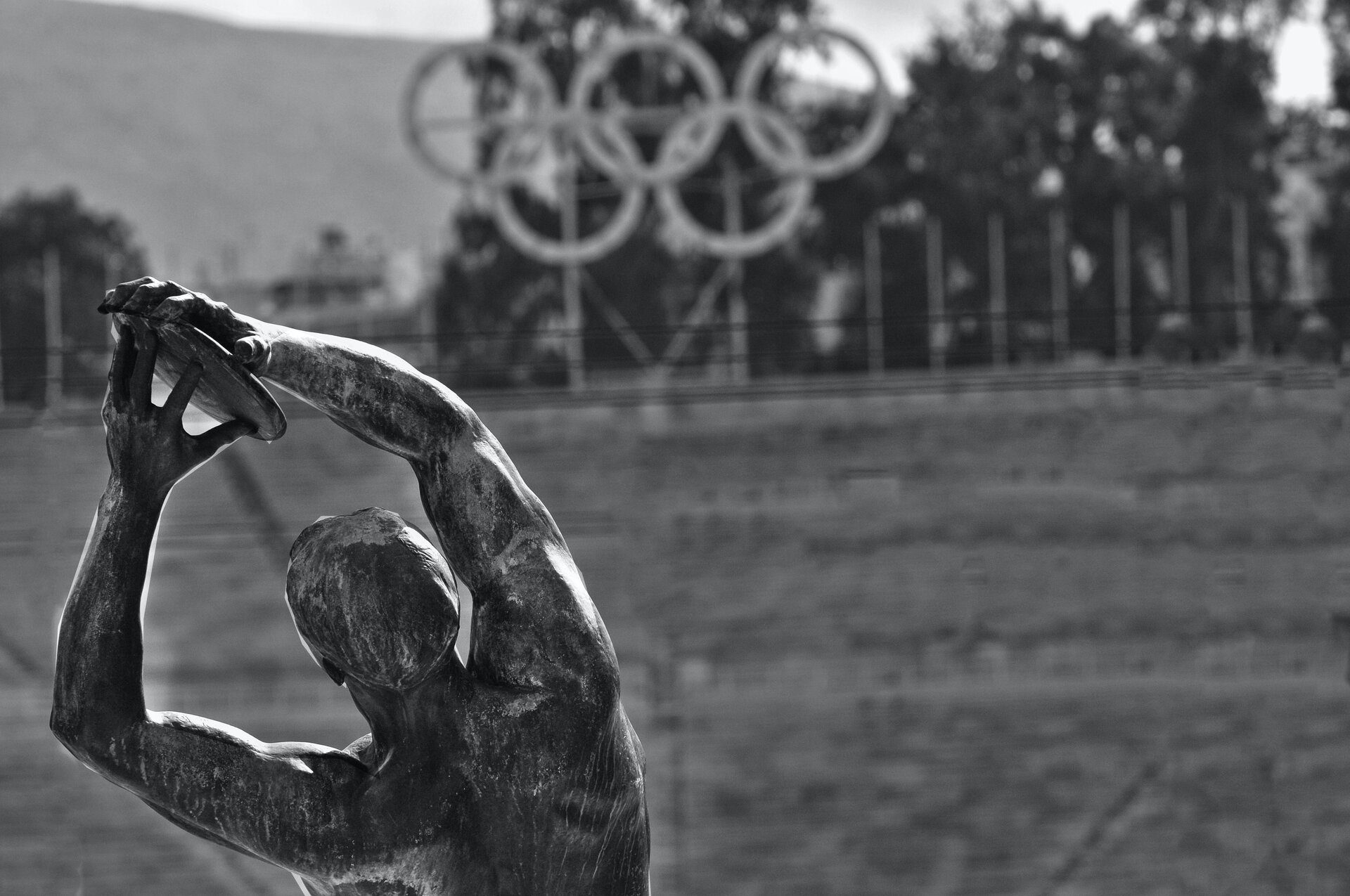
Analyse the text and do the exercises below.
Sport Is Health?A.
“Mens sana in corpore sano,” the famous Latin saying put in 5 words the whole secret of well‑being. Human beings are complicated creaturescreatures and their bodies and souls create a unified machine. Nobody needs to be convincedbe convinced about the beneficial effectbeneficial effect of physical activity on our lives. Sport should be an element of everybody’s routine, but does sport always equalequal health?
B.
The case of Caron Butler proves that not only might sport be truly beneficial for your physical condition, but also it can improve your mental health and literally save your life.
Born and raised in Racine, Wisconsin, this successful American basketball coach and former player suffered through a difficult and impoverishedimpoverished childhood. By the age of 11 he had already got into drug dealing and had been arrested 15 times before he was 15. During his stay at a detention centredetention centre he discovered his passion for basketball. Eventually he was able to receive a scholarship at university and has been linked to basketball ever since. Sport helped him quit drugs and follow his career path in basketball. From a drug dealer to a professional basketball player, quite a healthy twist isn’t it?
C.
Mary Cain was a talented 16‑year‑old student setting several records in running, when she got a call from Alberto Salazar at Nike and she entered the professional world of sport. Salazar was the world’s most famous track coach at that time, so no wonder Mary trusted him fully when she started training under his supervisionunder his supervision. However, instead of becoming the fastest female athlete, Cain was abusedwas abused and emotionally draineddrained by a system designed by Alberto. The constant pressure on her to lose weight resulted in worse running results and made her health deterioratedeteriorate significantly. To get thinner, she was given diureticsdiuretics and other drugs. As a consequence, Cain developed Red‑S syndromeRed‑S syndrome, she lost her period for 3 years and disrupteddisrupted the oestrogen production in her body. Her bone health was ruined and she broke 5 different bones at the same time. She even started to have suicidal thoughtshave suicidal thoughts.
Mary gave an interview for “The New York Times” and started the discussion about an emotionally and physically abusive systemabusive system, having nothing to do with the principles of sport. She was supported by other female athletes, e.g. Allyson Felix who fights with the standards that force athletes after giving childbirthgiving childbirth and while pregnant to get the same results as during their common condition.
D.
Despite all these sad stories like Mary Cain’s, professional sport might be beneficial for you, if done in moderationin moderation, with the respect for the limits of your body. The research shows that professional athletes are likely to live 5‑6 years longer than non‑athletes. What is more, they are less likely to develop cardiovascular diseasecardiovascular disease and suffer from strokesstrokes or type 2 diabetesdiabetes.
On the other hand, they are exposed to the risk of injuries and overtraining. They might also suffer from eating disorders and their mental health is at risk, especially when they retire and lose their predictablepredictable routine.
E.
Overall, athletes with their healthier lifestyle, sufficient sleep, and nutritiousnutritious diet seem to follow a better path than an Average JoeAverage Joe sitting on the couch with a beer in his hand.
Sport is good for you and you might introduce it to your life even if you’re not likely to become another Michael Jordan. So take out your bike from the garage and start today!
Źródło: Katarzyna Tkacz, dostępny w internecie: https://simplifaster.com/articles/elite-athletes-healthy/ [dostęp 31.07.2023], licencja: CC BY-SA 3.0.
B. 1. A guy with a bit of a rough past, 2. The optimistic case of Mary Cain, 3. In a healthy body, a healthy spirit, 4. Inhuman standards, 5. Don’t be a couch potato!, 6. Balance in all things, 7. Cycle every day!
C. 1. A guy with a bit of a rough past, 2. The optimistic case of Mary Cain, 3. In a healthy body, a healthy spirit, 4. Inhuman standards, 5. Don’t be a couch potato!, 6. Balance in all things, 7. Cycle every day!
D. 1. A guy with a bit of a rough past, 2. The optimistic case of Mary Cain, 3. In a healthy body, a healthy spirit, 4. Inhuman standards, 5. Don’t be a couch potato!, 6. Balance in all things, 7. Cycle every day!
E. 1. A guy with a bit of a rough past, 2. The optimistic case of Mary Cain, 3. In a healthy body, a healthy spirit, 4. Inhuman standards, 5. Don’t be a couch potato!, 6. Balance in all things, 7. Cycle every day!
TRUEFALSE
2. A bad start in life doesn’t necessarily exclude you from making a career in sports.
TRUEFALSE
3. The reality of training with Alberto was far from Mary’s expectations.
TRUEFALSE
4. Mary’s health improved after joining Alberto’s team.
TRUEFALSE
5. Mary didn’t react to the situation she found herself in.
TRUEFALSE
6. Statistically, professional sportsmen have a longer life expectancy than other people.
TRUEFALSE
Write the answer to the question below. Write 5–6 sentences.
Does sport always equal health? Use the information from the text to create your answer.
Słownik
/ əˈbjuːsɪv ˈsɪstəm /
system prowokujący nadużycia (cruel, brutal, provoking abuses system)
/ ˈævərɪdʒ dʒəʊ /
przeciętny Kowalski, zwykły człowiek (an average, ordinary person)
/ bi kənˈvɪnst /
być przekonanym/przekonaną (be sure about sth)
/ ˌbenɪˈfɪʃl̩ ɪˈfekt /
dobroczynny wpływ (bringing good results)
/ ˌkɑːdiəʊˈvæskjələ dɪˈziːz /
choroba sercowo‑naczyniowa (a type of disease that affects the heart or blood vessels, e.g. a heart attack)
/ ˈkaʊtʃ pəˈteɪtəʊ /
leń kanapowy (a very lazy, inactive person, usually watching a lot of tv)
/ ˈkriːtʃəz / / ˈkriːtʃə /
istoty [istota] (beings)
/ dɪˈtenʃn̩ ˈsentə /
zakład karny (a place where people who have committed crimes are kept as punishment)
/ dɪˈtɪərɪəreɪt /
pogarszać się (get worse)
/ ˌdaɪəˈbiːtɪz /
cukrzyca (a chronic disease characterised by elevated level of glucose)
/ dɪsˈrʌptɪd /
zakłócony/zakłócona (disordered)
/ ˌdaɪjuˈretɪks /
leki moczopędne (a type of drug that provokes the kidneys to produce more urine)
/ dreɪnd /
wykończony/wykończona (exhausted, tired)
/ ˈiːkwəl /
równać się (the same, having the same rights)
/ həv ˌsjuːɪˈsaɪdl̩ ˈthetaɔːts /
mieć myśli samobójcze (think about taking your own life)
/ ɪmˈpɒvərɪʃt /
ubogi/uboga (poor, poverty stricken)
/ ɪn ˌmɒdəˈreɪʃn̩ /
z umiarem (within reasonable limits)
/ ɪnˈhjuːmən /
nieludzki/nieludzka (cruel, very strict)
/ njuːˈtrɪʃəs /
odżywczy/odżywcza (nourishing)
/ prɪˈdɪktəbl̩ /
przewidywalny/przewidywalna (unsurprising, foreseeable)
/ ˈred ˈes ˈsɪndrəʊm /
względny niedobór energii w sporcie (relative energy deficiency in sport, a syndrome of poor health when athletes do not get enough food to support the energy demands)
/ ˈskɒləʃɪp /
stypendium (a grant or payment made to support a student's education)
/ strəʊks / / strəʊk /
udary [udar] (a serious life‑threatening medical condition caused by blood clots and broken blood vessels in the brain, with characteristic symptoms e.g. dizziness or weakness on one side of the body)
/ ʌndə ɪz ˌsuːpəˈvɪʒn̩ / / ʌndə ˈsəmˌbɑːdi ˌsuːpəˈvɪʒn̩ /
pod jego nadzorem [pod czyimś nadzorem] (under sb’s care/guidance)
/ wəz əˈbjuːzd / / bi əˈbjuːzd /
był wykorzystywany/ była wykorzystywana [być wykorzystywanym/wykorzystywaną] (be exploited)
Źródło: GroMar Sp. z o.o., licencja: CC BY‑SA 3.0