Information of the Agency for Restructuring and Modernisation of Agriculture directed to breeders
Information of the Agency for Restructuring and Modernisation of Agriculture directed to breeders
The herd bookmdd81f732ef313884_1510817494397_0The herd book should be kept by a breeder separately for each herdmdd81f732ef313884_1510817553814_0herd and for specific animal speciesmdd81f732ef313884_1510817574586_0animal species in the form of a paper book or electronic book. If the herd book is kept with the use of IT systems, the keeper should ensure the data protection system and secure the data against its loss.
Data of an animal included in the herd book or on the printouts should be kept for at least 3 years after the animal leaves the herd.
The following data should be entered in the herd book: name and surname of the animal or the name of its owner, address of the herd’s seat, number of the herd’s seatmdd81f732ef313884_1510817817536_0herd’s seat.
On the pages inserted to the herd book the breeder should include information about the animals which are kept in the seat of the herd, among others the identification number of the animal, date of birth of the animal, date of arrival to the herd’s seat, data about the animal’s background, its sexmdd81f732ef313884_1510818766215_0sex and breed, identification numbermdd81f732ef313884_1510818789928_0identification number of the animal’s mother, date of leaving of the herd, cause of leaving, information about the place where the animal was handed over and information on conducted veterinary inspectionsmdd81f732ef313884_1510817855603_0veterinary inspections.
From 1 January 2006, the owners of animals are obliged to purchase the herd books and additional insert pages on their own.
Dialogue of veterinarian with a beginning breeder.
Doctor: Good that you’ve called me. I will tell you everything in a moment. How much time is left to the deliverymdd81f732ef313884_1510821284428_0delivery?
B: Around 2‑3 weeks.
D: I see. Some 10‑14 days before due time the cows should be taken to the calving penmdd81f732ef313884_1510821339804_0calving pen which should be carefully cleaned, littered with dry and clean straw. The cow will get used to the new place and will produce a protective barriermdd81f732ef313884_1510821359852_0produce a protective barrier against pathogensmdd81f732ef313884_1510822406188_0pathogens.
B: Good, I will prepare such pens. And what are the signs of deliverymdd81f732ef313884_1510822529001_0signs of delivery?
D: Each cow may show different signs. Some cows grow a large udder, other cows have it after calving. Some are calm, while others are restless and kickingmdd81f732ef313884_1510825896225_0kicking.
B: How will I recognise that the delivery is near?
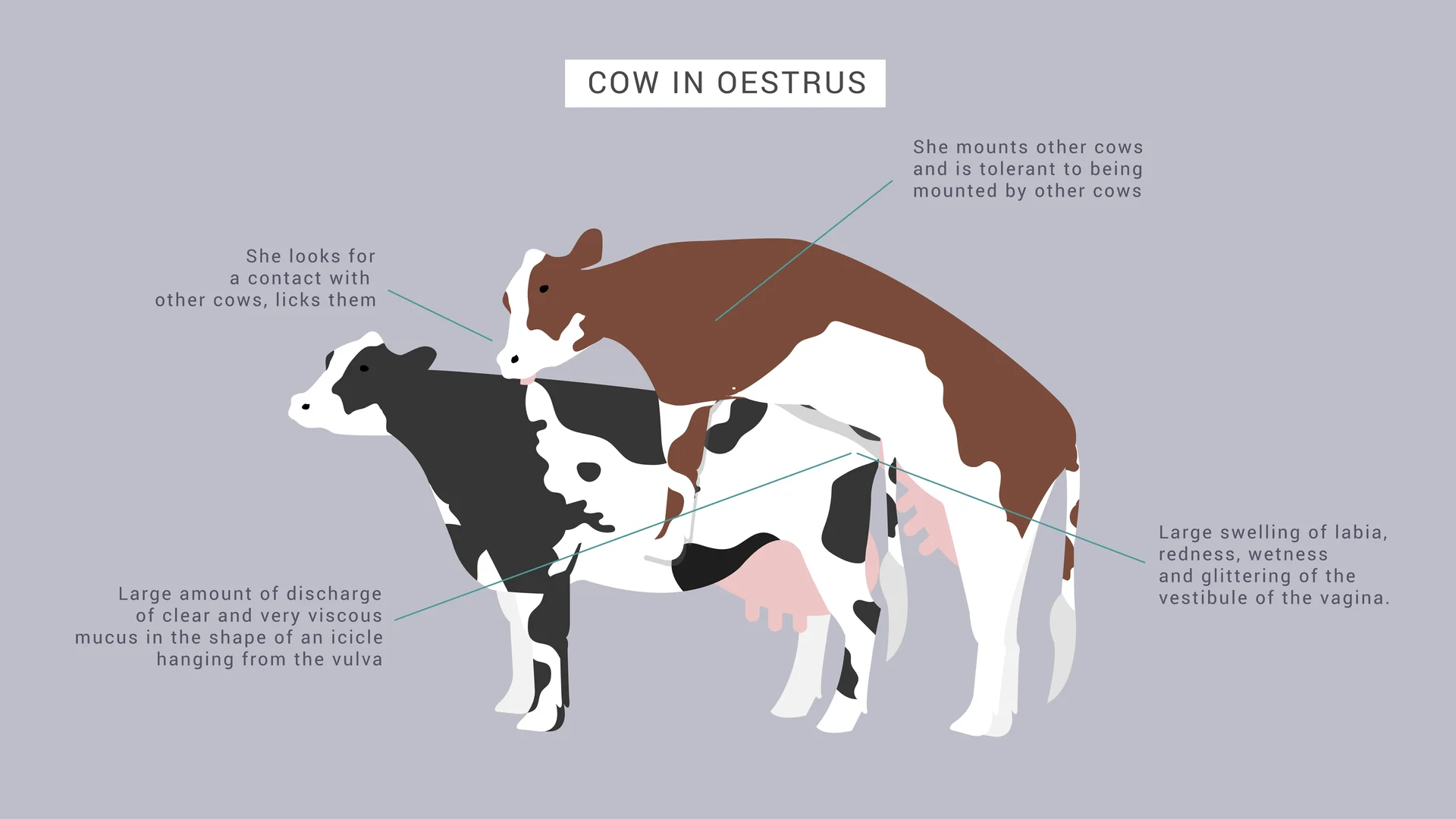
D: There are several signs common for all cows. First, the “empty” and flabby udder grows bigger several days before parturition and becomes pink. Also, the mucus glands in the vaginamdd81f732ef313884_1510825919595_0mucus glands in the vagina become more active – a thick and transparent mucus comes out from the vulva. The vulvamdd81f732ef313884_1510825945033_0vulva becomes swollen and reddened.
B: And can the cows’ behaviour show something?
D: Yes. The cows are more active, they stand up and lie down and walk again, they bellowmdd81f732ef313884_1510825957563_0bellow and urinatemdd81f732ef313884_1510825972132_0urinate and defecatemdd81f732ef313884_1510825982880_0defecate frequently in small amounts. Have you noticed such behaviour?
B: Not yet, but as you instructed me, I have still one week until something begins to happen.
D: Please watch your herd carefully and let me know when you notice these signs.
B: Thank you very much and let’s stay in touch. Good bye.
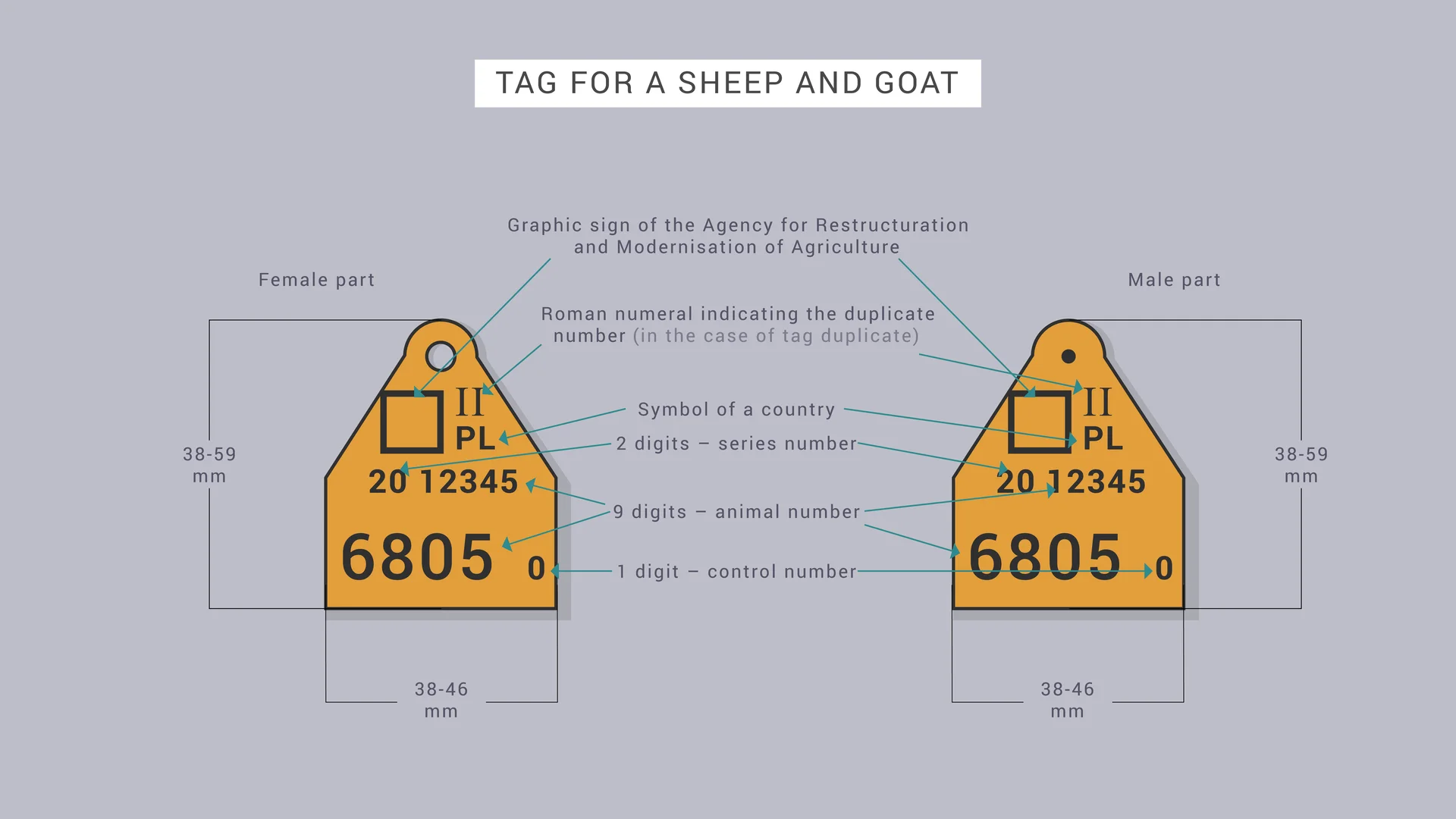
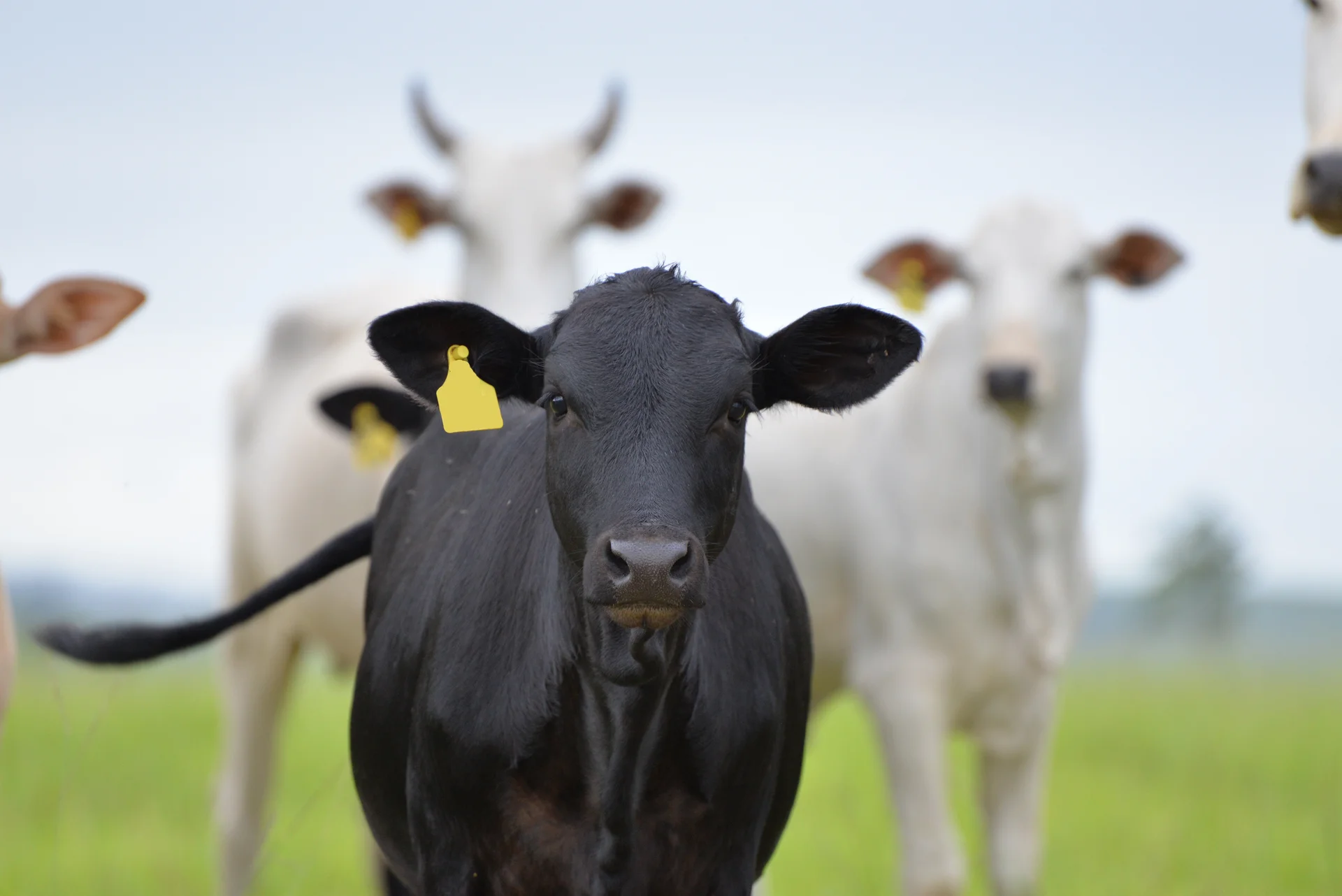
D: Hello, what can I do for you? B: I took over a big agricultural farm with livestockmdd81f732ef313884_1510830114382_0livestock. I want to know all about registration of animalsmdd81f732ef313884_1510830146618_0registration of animals. I heard that each animal should be taggedmdd81f732ef313884_1510830181574_0tagged. D: That’s true. Do your animals have tagsmdd81f732ef313884_1510830199973_0tags? B: I think not all of them. I saw several cows have the tags but goatsmdd81f732ef313884_1510830394122_0goats – I don’t think so. D: According to legal provisions, cattle should have tags in both auriclesmdd81f732ef313884_1510830602213_0auricles, which makes it possible to identifymdd81f732ef313884_1510831472463_0identify each cow individuallymdd81f732ef313884_1510831472463_0individually. As for the goats, it depends on when they were born and what is their intended purpose. B: I have a young, one‑year old herd. D: In this case the tags should be fitted in both auricles. If you want to sell them, then you will also have to put a tag in the right ear which has the electronic IDmdd81f732ef313884_1510831494742_0electronic ID with identification number. B: I understand. And what about pigs? I have about 30 pigs. D: In pigs the tag is required in the left auricle. The identification number of the pig is the number of the herd’s seat, where the animal was born. If a pig stays outside the place of birth for a period longer than 30 days, then you should make a tattoomdd81f732ef313884_1510831531554_0tattoo on the animal with a new number indicating the present seat. B: This means that cattle and goats are tagged individually but pigs have the same number as the herd they came from? D: Exactly. When are you going to tag your animals? B: As soon as possible. When you come to my holding for inspectionmdd81f732ef313884_1510831557124_0inspection, everything will be done. D: Great! So see you soon!